Western Slope Experiences Record Early Spring Due to High Temperatures
The Western Slope of Colorado is experiencing a record early spring, with temperatures driving an unusually early budding of trees and flowers, and potential disruptions to ecosystems and water supply.
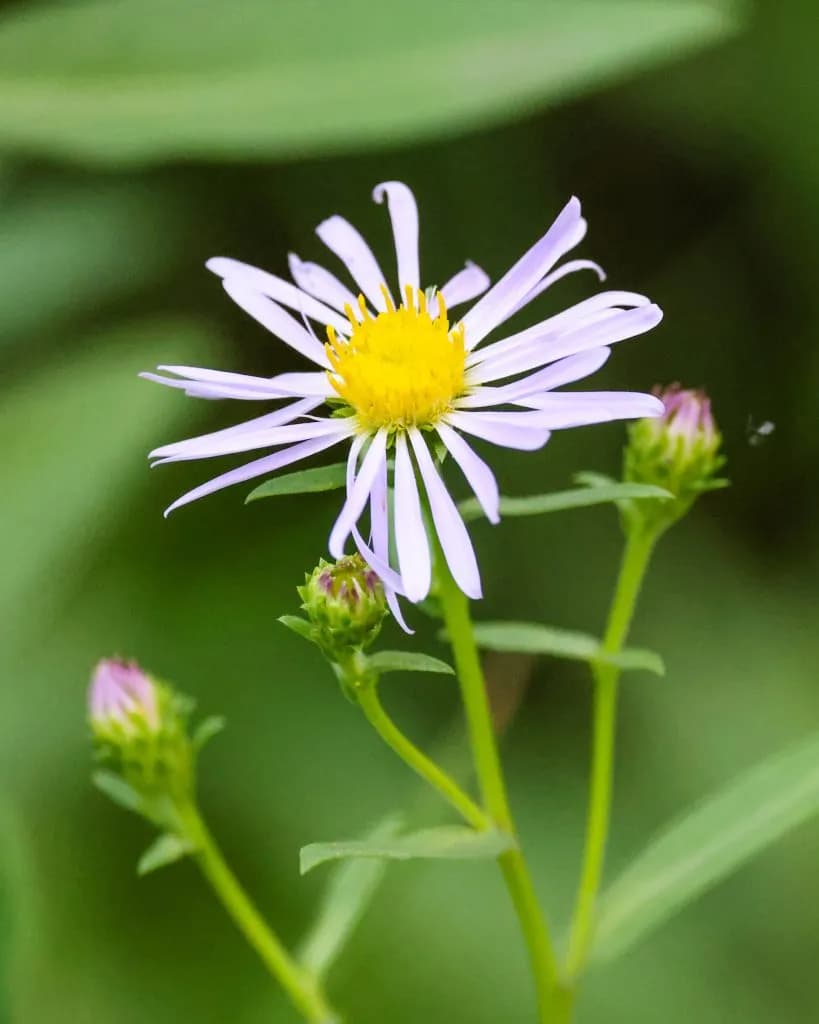
Aspen —Make no mistake, this isn't your average spring on Colorado's Western Slope — it's four weeks early. Record-high temperatures have melted snow, and trees and flowers are budding ahead of schedule. In Frisco, 9,097 feet above sea level, the ground is mostly bare of snow, aspen trees are budding, and pasque flowers are popping out of the ground. This is a town where March is often one of the snowiest months.
The short version: warm temperatures are driving this early spring. Colorado State Forest Service Western Slope Urban and Community Forestry Specialist Kamie Long says, "The vegetation is going to respond to these warmer temperatures regardless of the species." This means everything from aspen trees to cherry blossoms in Glenwood Springs is breaking dormancy earlier than normal. Green leaves are beginning to sprout from trees at lower elevations — a sight typically reserved for later in the season.
A heat dome, a ridge of high pressure, has the state and most of the West in its grip, resulting in spring arriving between seven and 30 days earlier than average, according to the USA National Phenology Network. Phenology Network Director Theresa Crimmins notes that while daylight and moisture play a role in the timing of plants' and animals' spring responses, temperature is usually the biggest driver. "Phenology is this old, antiquated word for when stuff happens seasonally in plants and animals," Crimmins says. "The timing of these events is really heavily influenced by recent local environmental conditions, and in the springtime, in pretty much all temperate and alpine systems, temperature plays a huge role in shaping when those things happen."
Read that again: temperature plays a huge role. This isn't just about a warm spell; it's about accumulated warmth. Scientists calculate this in "growing degree days," or the number of degrees the average daily temperature exceeds a certain base temperature at which organisms will remain dormant. As of March 25, Frisco had recorded 99 growing degree days, compared to the 30-year average of just 19 growing degree days. That's almost five times the accumulated warmth than normal for this time of year. Steamboat Springs, Vail, and Aspen show similar trends.
The implications are worth watching. An early spring can disrupt the delicate balance of ecosystems, impacting everything from pollination to wildlife habitats. This will cost taxpayers, think increased water bills, potential losses in agriculture, and strain on local resources. For folks around here, it means keeping a close eye on water levels, as snowpack is a significant source of water for the region. The Western Slope relies heavily on snowmelt to fill reservoirs and irrigate crops. With snow melting earlier, there's a risk of drought later in the season.
Locals are already seeing the effects. In Glenwood Springs, the cherry blossoms are blooming, but the question is, how will the rest of the season unfold? Will the trees and flowers be able to sustain themselves without the usual snowpack? The community is bracing for potential water shortages and increased risk of wildfires. Neighbors are talking about the unusual sight of green leaves and blooming flowers in late March.
As Crimmins looks at the accumulated warmth across the mountains, she says, "It just went bananas. It just sky rocketed." The map showing when trees first began to leaf out across the United States is a stark illustration of just how early spring has arrived. Huge swathes of the country saw an early spring this year. The USA National Phenology Network's data paints a clear picture: this isn't just a local phenomenon; it's a regional issue.
The Western Slope is no stranger to unpredictable weather, but the current situation is a wake-up call. It's a reminder that climate change is real, and it's impacting our community. People in the valley are asking questions; they're concerned about the impact on their water supply, crops, and wildlife. The answers aren't clear, but the community will face significant challenges as the season unfolds, waiting to see how the changing weather patterns play out.
Keep up with Aspen
The day's Western Slope news, one email each morning. Free.