Colorado Law Gives Entities Power to Bypass Local Zoning for Affordable Housing
A new Colorado law allows certain entities to bypass local zoning codes and build affordable housing, potentially impacting Western Slope towns like Grand Junction and Montrose
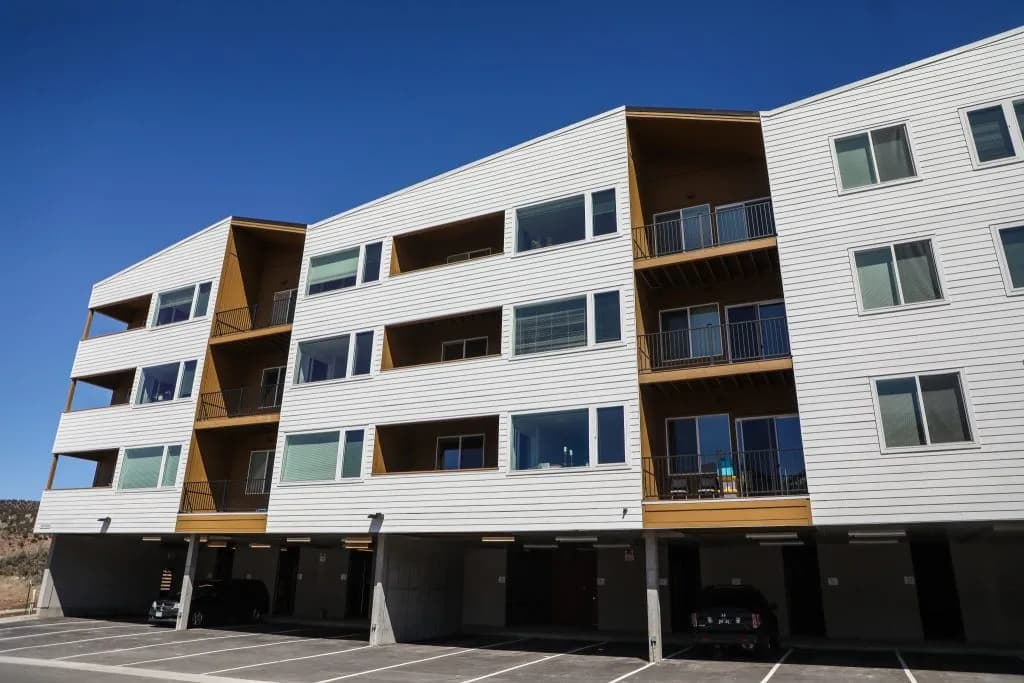
Steamboat Springs —What does the new Colorado housing law mean for zoning in Western Slope towns like Grand Junction and Montrose? The short version: it gives certain entities — public schools, colleges, nonprofits, transit agencies, and housing authorities — the power to bypass local zoning codes and build affordable housing on land they own. Make no mistake, this is a significant shift in the balance of power between state and local governments.
Colorado Gov. Jared Polis signed House Bill 1001, dubbed the HOME Act, into law on March 25, 2026. The bill's supporters argue that the state needs to boost its housing supply, a report by the State Demography Office estimates that Colorado needs approximately 106,000 homes to meet demand. Polis says the bill will bring "local creativity" to the table, driven by entities like housing authorities and community colleges. But not everyone is convinced.
The Colorado Municipal League, which represents over 270 cities and towns, opposed the legislation. Executive Director Kevin Bommer says the HOME Act "ignores municipal planning efforts and creates a one-size-fits-all policy with no requirement that new housing be affordable." This is worth watching; will local governments be able to adapt to the new law, or will it lead to conflicts over zoning and land use?
Counties and Commissioners Acting Together, a coalition of commissioners from nearly two dozen counties, supported the bill after amendments were made to address local land-use concerns. For example, the bill won't allow entities to bypass zoning rules for land that's not connected to water and sewage treatment systems, or for properties zoned for industrial or agricultural use. Tamara Pogue, a Summit County commissioner, notes that while not every commissioner supported the bill, the amendments helped to alleviate some concerns.
So, how will this play out in Western Slope towns? Read that again: the bill applies to entities that own land, which could include school districts, transit agencies, and housing authorities. In Montrose, for instance, the school district owns several parcels of land that could potentially be used for affordable housing. The city of Grand Junction has struggled with zoning and land-use issues in recent years - will the new law help to ease some of those tensions, or will it create new conflicts?
The bill's impact on local zoning will depend on how it's implemented. Folks around here should pay attention to how their local governments respond to the new law. Will they work with local organizations to identify potential sites for affordable housing, or will they push back against the state's efforts to preempt local control? The community will be watching to see how this plays out.
The new law won't require any upfront funding from taxpayers. Instead, entities will need to secure their own funding to build the housing. This will be a key factor in determining the bill's success, can these entities really deliver on the promise of affordable housing, or will the bill's good intentions be thwarted by lack of funding?
As the bill's supporters celebrate their victory, locals are left wondering what's next. The law takes effect immediately, which means that entities can start applying for zoning exemptions right away. People in the valley should expect to see some movement on this front in the coming months; and they should be asking tough questions about how the new law will affect their communities. What's the plan for ensuring that the new housing is actually affordable, and not just another example of gentrification? The answer to that question will determine whether the HOME Act is a success or a failure.
Keep up with Steamboat Springs
The day's Western Slope news, one email each morning. Free.