Aspen Updates Historic Preservation Guidelines to Balance Progress
The Aspen City Council supports updating the Historic Preservation Design Guidelines to address energy efficiency and wildfire risk while preserving the town's historic character.
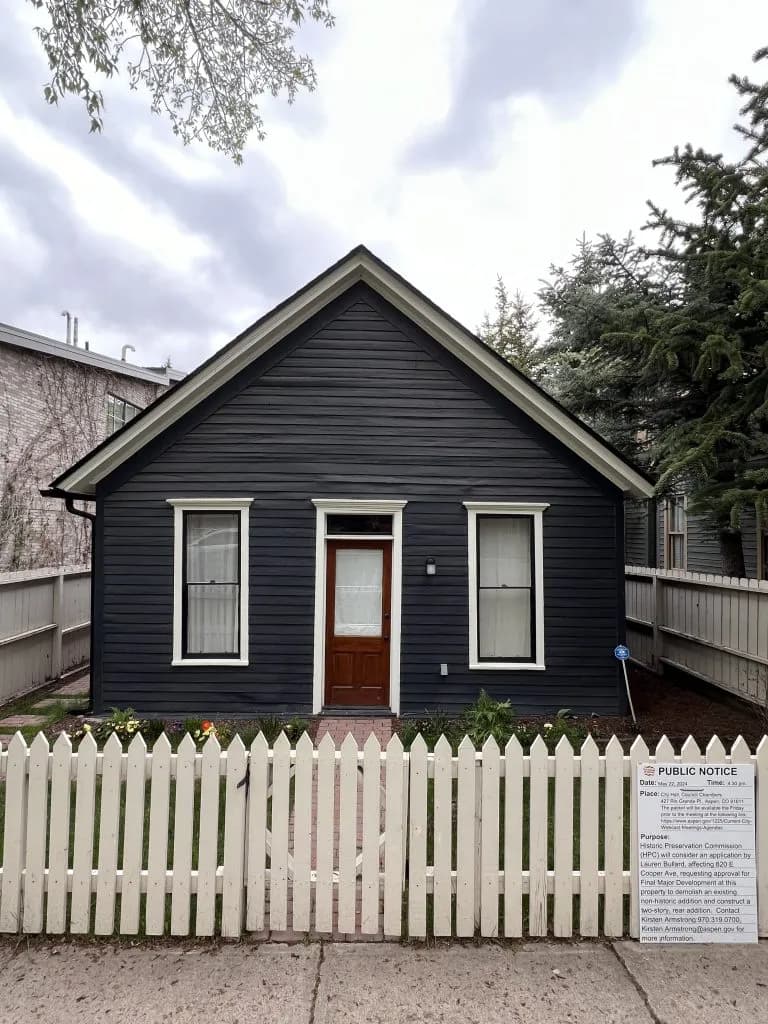
Aspen —On a crisp Aspen morning, the sun rises over the historic district, casting a golden glow on the Victorian miner's cottages that line the streets — a reminder of the town's rich history. But beneath the charm, a complex issue brews: how to balance preservation with the pressing concerns of energy efficiency and wildfire risk. The Aspen City Council has taken a step towards addressing this challenge, supporting the Historic Preservation Commission's request to update the Historic Preservation Design Guidelines.
The existing guidelines, last updated in 2024, consist of 12 chapters with 116 individual guidelines — a comprehensive, yet outdated, framework. Historic Preservation Officer Gillian White presented the necessity of revision, citing evolving energy code requirements and wildfire resiliency considerations. The city's Community Development Director, Ben Anderson, highlighted the tension between preservation and development, particularly in the mixed-use zone district and residential multifamily zone district. The Victorian cottages, protected for their historic significance, also present opportunities for affordable housing, but at what cost to their original character?
The issue of fire resiliency is a pressing concern, with Anderson emphasizing the importance of finding balance between preservation and prevention. "There are big tradeoff conversations that I think the community has to have," he said. Historic Preservation Commission Member Barb Pitchford echoed this sentiment, citing the conflict between affordable housing and wildfire mitigation as a major challenge. Commission Vice Chair Kim Raymond also stressed the importance of addressing energy efficiency, noting that it's "a really big one that we need to address."
The council's support for updating the guidelines marks a significant shift towards acknowledging the evolving needs of the community. Mayor Rachael Richards emphasized the importance of finding a balance between preservation and progress, stating, "We don't want to lose all the historic structures because we were unwilling to bend … Let's take a stab at it and see what we can come up with as best practices for our community." The question now is what this update will look like in practice; and how it will impact the character of Aspen's historic district.
As the city moves forward with revising the guidelines, locals will be watching closely to see how the updates address the pressing issues of energy efficiency and wildfire risk. The city's commitment to preserving its historic structures is clear, but the path forward is less so. Make no mistake, the outcome of this process will have a lasting impact on the town's architecture and character. The short version: Aspen's historic district is at a crossroads, and the city's decision will set a precedent for how to balance preservation with progress. Read that again - the stakes are high, and the community is waiting to see what's next.
The update process will undoubtedly involve tough tradeoffs and compromises. Anderson's comment about "big tradeoff conversations" hints at the complexity of the issue. As the city navigates this process, it's worth watching how they prioritize competing interests and values. The community will be looking for clarity on what the updated guidelines will mean for property owners, developers, and residents. For now, the city has taken a crucial step towards addressing the challenges facing its historic district. but the real work is just beginning.
Aspen's historic district is not just a collection of old buildings; it's a living, breathing part of the town's identity. The updated guidelines must balance preservation with progress, while considering the community's values and priorities. The city's approach will be closely watched, not just by locals, but by other communities facing similar challenges. The outcome will have far-reaching implications, shaping the future of Aspen's historic district and the town as a whole. Worth watching, indeed.
Keep up with Aspen
The day's Western Slope news, one email each morning. Free.