Colorado Seeks Solution to Teacher Shortage Crisis
Colorado lawmakers are working to address the state's decades-long teacher shortage, particularly in rural areas, with a new bill aimed at streamlining the licensing process for out-of-state teachers.
Glenwood Springs —"I'm not sure why we're making it so hard for people who are passionate about education to actually get into the classroom," says Frank Reeves, director of operations for the Colorado Rural Schools Alliance, as he sits in his office in downtown Grand Junction, surrounded by maps of rural Colorado school districts. Reeves is talking about the teacher shortage that's been plaguing the state for decades, particularly in rural areas. He's not alone in his frustration - lawmakers, educators, and parents are all searching for solutions to this complex problem.
We've all seen the headlines about teacher shortages in our local schools - if you've got kids in the district, you already know this. But what you might not know is that there's a bill making its way through the state legislature that could help ease the shortage. Senate Bill 126, sponsored by a bipartisan group of lawmakers, aims to cut red tape for out-of-state teachers and speed up the licensing process. The bill was passed by the senate in early March and is currently being considered by the House Education Committee.
Reeves' organization represents 146 rural school districts and 135,000 students across the state. He's seen firsthand the challenges that these districts face in finding and keeping qualified teachers. "Experienced educators are eager to join Colorado's educational community," he says. "This bill clears the path by eliminating arbitrary licensure obstacles that have very little to do with classroom competency, so qualified teachers can get into our classrooms without unnecessary delay." That's what this bill is all about - getting more qualified teachers into our classrooms, and fast.
But this isn't a new problem, and lawmakers have been trying to find solutions for years. Three years ago, Colorado passed a bill to join the Interstate Teacher Mobility Compact, an agreement among 13 states that creates license reciprocity to make it easier for educators to access teaching careers across state lines. The idea was to recognize and transfer professional teaching licenses held in other states, removing barriers like additional exams or coursework for experienced out-of-state educators who wish to teach in Colorado. However, as Rep. Meghan Lukens, a Steamboat Springs Democrat and bill sponsor, pointed out during a recent hearing, the state is still waiting to reap the benefits of this policy.
The challenge, Lukens says, is that while the compact is technically enacted, the rules haven't been finalized yet. That's why Senate Bill 126 is so important - it would expand the pool of eligible teachers from compact states who can earn a license in Colorado, and shorten the time it takes to issue the license. Under the original compact bill, licensed educators from participating states must have at least three years of successful teaching experience within the last seven years to be eligible for a professional teaching license in Colorado. But Senate Bill 126 removes the requirement that the experience must be within the previous seven years, which supporters say will remove barriers for educators who have taken a break from teaching but have sufficient experience to fill one of Colorado's thousands of vacant educator jobs.
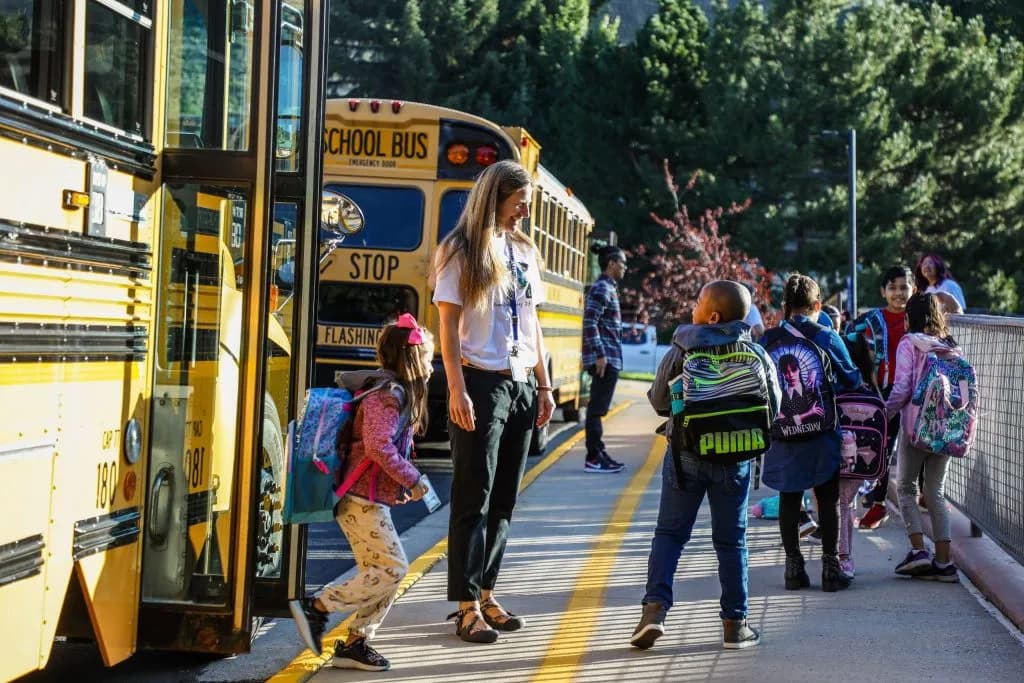
If you've driven through the small towns of western Colorado, you've seen the signs advertising teaching jobs - it's not uncommon to see a dozen or more vacancies listed at a single school. That's what makes this bill so crucial - we need to get more teachers into our classrooms, and we need to do it now. Ask any parent who's had to deal with overcrowded classrooms or teachers who are stretched too thin, and they'll tell you the same thing: we need more qualified educators in our schools.
As the bill moves forward, it's likely to face some challenges - there are always concerns about the quality of out-of-state teachers, and whether they'll be able to meet the unique needs of Colorado students. But for now, lawmakers are focused on finding a solution to the teacher shortage, and Senate Bill 126 is a crucial step in that process. What happens next will be crucial - if the bill passes, it could mean a significant influx of new teachers into our state's classrooms. And that's something we should all be watching closely.
Reeves is optimistic about the bill's chances, but he's also realistic about the challenges that lie ahead. "We're not going to solve this problem overnight," he says. "But if we can get more qualified teachers into our classrooms, that's a start." And that's what this is all about - finding a solution to a problem that's been plaguing our state for far too long. As the bill moves forward, we'll be watching to see what happens next - and whether it will ultimately make a difference for our local schools.
Keep up with Glenwood Springs
The day's Western Slope news, one email each morning. Free.


Glenwood Clinic Parking Lots Fill for Unproven Peptide Injections

On the ridge above Glenwood Springs, the wind usually whips off the peaks before it reaches the parking lots