Colorado Mountain College Trains Students for In Demand Jobs
Colorado Mountain College is working to provide training for in-demand jobs on the Western Slope, with a focus on creating programs that lead to good jobs and livable wages in mountain towns.
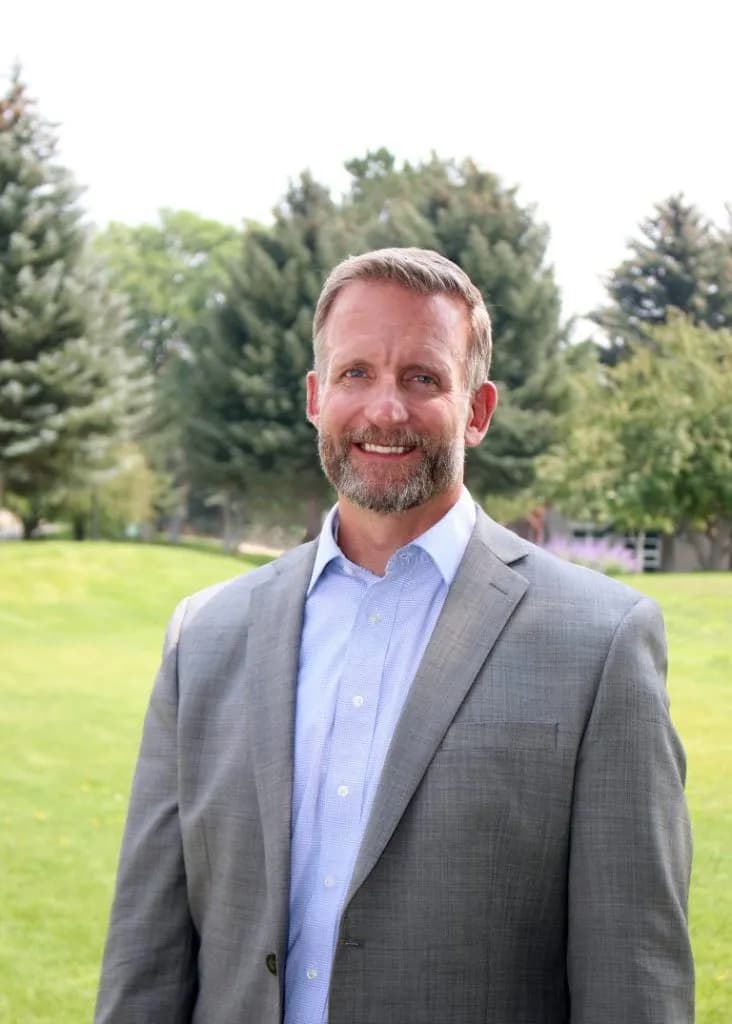
Steamboat Springs —It's a crisp morning in Steamboat Springs, and Matt Gianneschi, president of Colorado Mountain College, is sipping coffee at a local café, reflecting on the college's mission to provide training for in-demand jobs on the Western Slope. He's been at the helm of CMC for a while now, and his focus has always been on creating programs that lead to good jobs, jobs that pay a livable wage in mountain towns. We're talking about places like Steamboat, where the cost of living is high, and workers need skills that can help them afford to stay.
If you've been paying attention, you know that CMC has been working on this for over a decade, following a principle they call "labor market awareness." It's about aligning programs with real jobs, real wages, and real opportunities in our communities. Gianneschi believes that colleges like CMC have a responsibility not only to educate but also to ensure graduates can afford to live and thrive in the communities they serve. That's a tall order, but it's one that CMC has embedded in their policies, procedures, and strategic priorities.
You've seen the news about CMC's efforts to double their nursing student capacity, revamp paramedic training, and expand law enforcement training programs. These aren't just random decisions; they're part of a larger strategy to provide students with skills that are in high demand. And it's working: many graduates from these programs have already received job offers, with starting salaries nearing six figures. That's the kind of thing that can make a real difference in someone's life, especially in a place like the Western Slope, where the cost of living can be challenging.
CMC's efforts have been boosted by voter-approved resources, including the passage of Question 7C last November. That vote was a shared commitment to build and expand programs that result in strong labor market outcomes. The results are already visible: a new facility is nearing completion in Leadville, which will expand training in ski area operations and lift maintenance. In the Roaring Fork Valley, they're building curriculum for electric vehicle maintenance that can be added to automotive programs across the college district. And in Rifle, they're under contract to secure a new facility that will house a regional skilled trades center, offering new pathways in HVAC, plumbing, and sheet metal, among others.
If you're a parent, you're probably thinking about what this means for your kids. Can they get the skills they need to succeed in a place like Steamboat or Aspen? The answer is yes, and this approach has been a key factor in CMC's success. Gianneschi's philosophy is clear: no graduate should face poverty. That's a bold statement, but it's one that he's willing to stand behind. With the support of the community, the college is making progress towards that goal.
As we look to the future, it's clear that there's still work to be done. There are still challenges to overcome, but the momentum is building. With the passage of Question 7C, CMC has the resources they need to expand their programs and provide students with the skills they need to succeed. Gianneschi will continue to lead the charge, working to ensure that the college remains focused on its mission.
On Monday morning, Gianneschi will be back at his desk, working on the next phase of the plan to provide training for in-demand jobs. He'll be meeting with faculty and staff to discuss new programs and initiatives, and he'll be working with community leaders to identify areas where the college can make a real impact. It's a big job, but Gianneschi is up to the task. And with the support of the community, the college will continue to thrive, providing students with the skills they need to succeed in a rapidly changing world.
Keep up with Steamboat Springs
The day's Western Slope news, one email each morning. Free.

Will my tax refund be gone if I vote yes
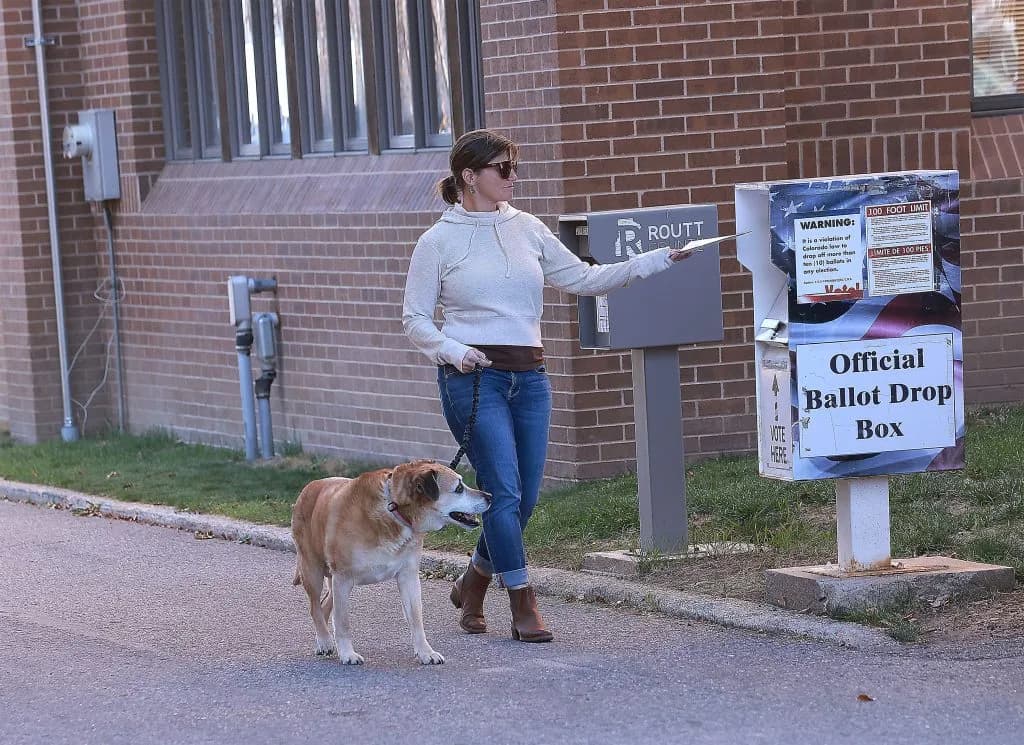
"Coloradans could start seeing ballots for this November’s midterm election hit their mailboxes as early as this weekend