Vail, Avon, Rifle, and Craig Cancel Fireworks Amid Stage 2 Fire Restrictions
Vail, Avon, Rifle, and Craig have scrapped their fireworks displays as Stage 2 fire restrictions take effect across the Western Slope, citing a decade of dry Julys and increased wildfire risk.
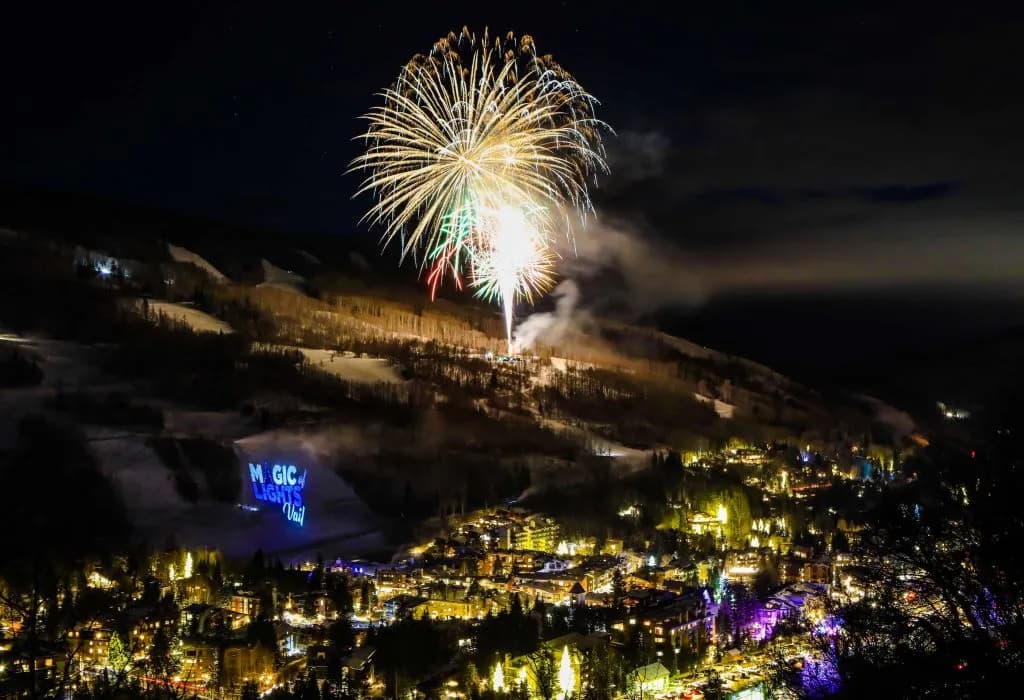
Aspen —Vail, Avon, Rifle, and Craig have scrapped their fireworks.
The decision wasn’t made lightly, but it was made quickly. As stage 2 fire restrictions took effect across the Western Slope on Friday, June 26, these towns realized that launching thousands of shells into a dry sky was no longer a celebration — it was a liability.
The broader context is a landscape that hasn’t seen a wet July in a decade. Andy Curtis, special events marketing coordinator for the city of Aspen, put it plainly: “It’s a little risky to be playing with fire in such a dry year, this year especially.”
He’s not just talking about the current drought. He’s talking about a pattern. “Things aren’t getting any wetter, we’ve had 10 years of really, really dry Julys.”
That dryness has triggered a domino effect. Garfield, Eagle, Summit, Routt, Pitkin, and Grand counties are all under stage 2 restrictions. The White River National Forest and the Upper Colorado River District of the Bureau of Land Management joined them Friday. The restrictions are based on moisture measurements in vegetation, predicted weather, and available resources.
What does that mean for your Fourth of July? Personal fireworks that explode or leave the ground are already illegal in Colorado, but stage 2 bans all personal fireworks, including sparklers and fountains. Professional shows are still technically allowed if operators get permission, but many towns decided the risk wasn’t worth the spectacle.
“A lack of fireworks isn’t slowing down the festive spirit,” Curtis said. “As much as we do for July Fourth, what really makes it a July Fourth is what the community brings to the table.”
So, what are locals getting instead? In Vail, the parade remains. The morning floats, the marching bands, the afternoon family activities, and the free electronic music show on the Gondola One lawn are all still on. Avon is canceling its professional display entirely, leaving the valley with a quieter, more intimate holiday.
The question is whether this shift is temporary or permanent. If the dry Julys continue — and Curtis says they have for ten years, will we stop expecting the big boom? Or will we just keep paying for it until the risk becomes too high?
Curtis pointed to the decade of dry Julys as evidence. But he’s not suggesting we abandon tradition. He’s suggesting we adapt it.
For now, the Western Slope is trading pyrotechnics for community. It’s a trade-off that locals will have to weigh against the risk of another wildfire season starting on July 4.
“We’ve had 10 years of really, really dry Julys,” Curtis said. “It’s becoming more and more difficult to plan a firework show.”
The show goes on, just without the fire.
Keep up with Aspen
The day's Western Slope news, one email each morning. Free.
Aspen Housing Authority Seeks $590K Office Upgrade Amid Cramped Conditions
Vail Secures Water Rights for 37-Unit Montelisse Condo Project
Moffat County Commissioners Weigh Data Center Moratorium Amid Transparency Claims
Aspen Skiing Company hosts 10th annual Stars Above astronomy night
Aspen Animal Hospital Clinical Leader Dr. Anne Cooley Navigates WellHaven Ownership Shift