Vail Daily Columnist Argues Home Buyers Ignored Existing Pig Farms
A Vail Daily opinion piece uses a fable to argue that homeowners upset by new pig farms failed to check for existing agricultural activity before purchasing, shifting blame from developers to buyers.
Aspen —The sound of a John Deere tractor tearing up fertile earth is not a lullaby. It is the sound of a property value evaporating, of a quiet life being swallowed by the industrial machinery that follows it. If you bought your home in the valley with the specific intention of raising a family, tending a garden, and enjoying the crisp air without the backdrop of industrial agriculture, you made a choice. You chose a specific kind of life, and that choice carries weight.
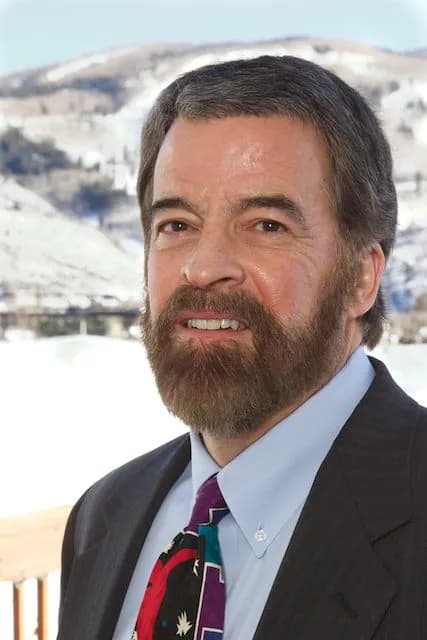
In an opinion piece for the Vail Daily, Robbins challenges the prevailing narrative that new agricultural developments are simply inevitable neighbors we must accept with grace. He argues, through a parable that reads like a fable gone wrong, that the "nuisance" is not an accident of geography. It is a failure of due diligence by the buyer, compounded by a lack of regulatory foresight in the community.
Robbins’s tale begins with a young couple in a "Happy Valley" along the I-70 corridor. They buy a cottage where eagles ply skies so blue it hurts your eyes. In this land, as he points out, there were no zoning regulations and no restrictive covenants. To the east and west, their neighbors raised children, fed puppies Eukanuba, and kept lawns short. Everything was tidy. Everything was quiet.
Then the tractors came.
The couple wakes to a strange and frightening sound: tractors tearing up the land just behind their cozy little cottage. They venture out, mukluks on, and find a Big Truck full of squealing pigs. What they learn is that a pig farm will soon become their neighbor. Just behind the little cottage, Robbins writes, would soon be a million-million-million squealing, smelly pigs. The farm will make the cottage unlivable. The puppy will bark from dawn till dusk, and the baby will cry incessantly. The weekend beer and pizza will be befouled by stench. Their ears will be ceaselessly assaulted by the squeal of a million-million-million pigs.
Nonetheless, the pig farm is constructed.
The couple calls the Mayor, but he can do nothing. They hire an attorney and go to court. Before the judge, they plead their case: the pigs are making their lives miserable. The judge ponders, ruminates, and weighs the Wise Texts of the Law. He leans on his elbows on the High Bench and awards damages, ordering the Pig Farm disassembled. Peace is restored to the land, and there is joy throughout the realm.
But here is the twist that Robbins uses to puncture our self-pity. The Happy Couple, being so blinded by love for one another, failed to notice there was a Pig Farm behind the little cottage when they bought it.
This is the core of Robbins’s argument, and it hits closer to home than you might think. We tend to view ourselves as victims when the character of our neighborhood shifts. We feel entitled to a specific sensory experience — the silence, the view, the smell of pine — and when that is disrupted by the reality of our rural economy, we cry foul. But if you bought a home in an area without zoning regulations or restrictive covenants, did you actually know what you were buying? Or did you buy a fantasy of the place, ignoring the physical reality that already existed on the land?
There is a warmth to the idea of community, but there is also a coldness to ignorance. If you look closely at our local development disputes, the anger often stems from a gap between expectation and reality. We want the aesthetic of the West without accepting the functional realities that sustain it. Robbins suggests that we are not so different from that couple in the story, who were shocked by a neighbor they had already purchased next to.
The judge’s decision in the fable is clear: if you didn’t check, it wasn’t a nuisance. It was your choice.
You can feel the tension in this argument as you drive down any of our main corridors, where new construction rises beside aging ranches. The air is thin and clear here, but the political atmosphere is thick with complaint. Robbins doesn’t offer a solution in the traditional sense; he offers a mirror. He asks us to look at our own hands before we point at the tractor.
The image that lingers is not of the squealing pigs, but of the couple standing in their mukluks, staring at the John Deere. They are angry, yes. But they are also standing on land they chose to buy, in a valley that was never truly quiet. The blue sky is still there, but it has been shared with the dust of the plow for a long time now.
Keep up with Aspen
The day's Western Slope news, one email each morning. Free.