Vail Dance Festival Celebrates Two Decades of Damian Woetzel Leadership
Damian Woetzel marks two decades as Vail Dance Festival artistic director, transforming the event into a global brand that drives year-round tourism and economic stability for the Western Slope community.
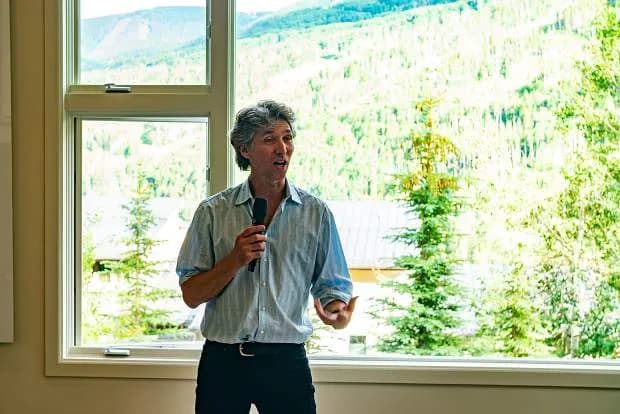
Aspen —A $14 million project. Twelve units.
That’s the usual metric for development on the Western Slope. We measure success in square footage, in tax increment financing districts, in how many million dollars of concrete we can pour before the budget runs dry. But if you want to understand the real economic engine of Vail, you need to look at a man who has spent 20 years turning a dance festival into a global brand.
Damian Woetzel didn’t just manage a series of performances; he built an institution. And according to the Vail Daily, that institution is now celebrating two decades of his leadership as artistic director.
Let’s do the math on what that actually means for the local economy. Woetzel arrived in 1993 as a principal dancer with the New York City Ballet. He didn’t stay to just tap his feet. He stayed to build. By 2006, he took the reins as artistic director, retiring from the stage in 2008 to focus entirely on the festival.
The result? A festival that doesn’t merely host dancers — it commissions them.
Mike Imhof, president of the Vail Valley Foundation, called Woetzel’s appointment a “watershed moment.” That’s bureaucratic speak for “we finally stopped renting out the venue and started building something valuable.” Imhof noted that Woetzel elevated the event into a “globally respected celebration of dance, creativity and collaboration.”
Translation: Vail isn’t just a ski town anymore. It’s a cultural export.
Woetzel’s strategy was simple but expensive. He didn’t wait for choreographers to send him finished works. He invited them to create in Vail. In his first year, he hosted Christopher Wheeldon’s new company, Morphoses / the Wheeldon Company, which literally debuted there. They were “building wings” while the festival was still finding its footing.
That’s not cheap.
Adding live music wasn’t an afterthought; it was a core pillar. In 2007, they brought in violinist Jennifer Koh and legendary composer Philip Glass. These aren’t local high school bands. These are global names that draw audiences willing to pay premium prices for tickets and hotel rooms.
The Vail Daily reported that Woetzel’s vision was about creating a “sense of possibility.” He wanted dancers to have new roles, new partnerships, and new works created specifically for that space. It’s a high-risk, high-reward model. If you build it right, the world comes to you. If you build it wrong, you’re just a dance troupe in a tent.
Woetzel clearly built it right.
He’s maintained deep connections across dance, music, and production. The festival now features diverse, world-class programming. It’s not merely classical ballet. It’s contemporary. It’s experimental. It’s art that challenges the audience, not just entertains them.
And it’s working.
The festival has become a defining hallmark of the Vail experience. It’s not just about the moon rising over the Rocky Mountains or the smell of pines — though Woetzel says that sense of nature is unmatched. It’s about the economic ripple effect. When a globally respected festival happens, hotels fill. Restaurants sell out. Local contractors get work.
This isn’t a speculative growth area. This is a proven, 20-year-old revenue stream.
Woetzel’s approach has turned Vail from a seasonal ski destination into a year-round cultural hub. The festival runs in the summer, but the planning, the commissions, and the prestige happen year-round. That’s stability. That’s a diversified economy.
The bottom line? Vail has bet on culture, and it’s paying off. The $14 million housing projects are important. The infrastructure upgrades matter. But the Vail Dance Festival, under Woetzel’s direction, has become a global asset that puts Vail on the map alongside cities like Paris and New York.
It’s not merely dance. It’s a business model. And it’s one that locals should be proud of.
Keep up with Aspen
The day's Western Slope news, one email each morning. Free.