Vail Founder Pete Seibert’s Ashes Turned to Snow in New Oral History
Vail Public Library releases third installment of 'Vail Valley Voices Collection,' featuring Pete Seibert Jr. on his father’s legacy, cloud seeding ashes, and the grit behind Vail’s creation.
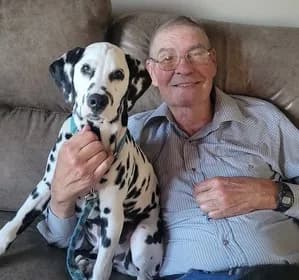
Aspen —The wind off the Gore Range doesn’t care about your property value. It cuts through the Chamonix neighborhood of West Vail with a specific, biting intent. It’s the same wind that has battered Pete Seibert Jr.’s home for decades. At 70, Seibert still lives here. He still knows the difference between a pioneer and a settler.
The Vail Public Library just released the third installment of its "Vail Valley Voices Collection," and this time, the focus is on the man who helped turn a ski slope into a global destination. The interview, conducted by Colorado Public Radio’s Walter Gallacher, peels back the glossy marketing of Vail to reveal the grit — and the grief — of its creation.
Seibert spent four years on the Vail Town Council. He knows the political grind. His post-COVID term ended in 2025 when he decided not to run again. But the library’s oral history digs deeper into his family legacy. Specifically, it looks at his father, Pete Seibert Sr., the founder who died of esophageal cancer in 2002 at age 77.
The short version: The founder didn’t necessarily get the reward.
“The way I like to describe it … I think at the tail end, you might say, ‘Well, maybe he didn’t benefit … and neither did (fellow founder) Earl (Eaton). They were the pioneers. There are pioneers and settlers. And the pioneers sometimes get the arrows and the settlers get the land,’” Seibert Jr. said.
It’s a stark assessment. The pioneers took the hits. The settlers got the equity.
That philosophy extended to how Seibert Jr. chose to memorialize his father. He didn’t just put an urn in a crypt. He turned his dad’s ashes into weather.
Joe Macy, who managed cloud seeding for Vail and once supervised Seibert on ski patrol, took a portion of the ashes. He mixed them with silver iodide. He packed the mixture into flares. He mounted those flares on bamboo poles along the western hillside of Beaver Creek. The wind caught the flares. It scattered the ashes across the valley. Some landed in Beaver Creek. Some landed in Vail.
It sounds like voodoo. It worked.
“We had a foot of snow, took the kids out of school and skied to Grandpa’s Storm the next day,” Seibert Jr. recalled.
His youngest daughter, Lizzy, was 10 at the time. She looked at the setup and asked, “Has anybody ever done this before?”
Macy’s answer was simple. “Darling, your Grandpa did a lot of things nobody ever did and this is the last one.”
The interview captures Seibert’s transition from a young man unsure of his path to a broker associate for Slifer Smith & Frampton. He’s been in the local real estate game for more than 30 years. But the oral history doesn’t shy away from the personal cost of building a town from scratch. It highlights the quiet resignation of a father who told his family, “If something ever happens to me … don’t worry about me. I had a great life.”
The Vail Daily’s Tony Mauro and David O. Williams have been collecting these stories for years. This series, starting with Kent Rose and Dick Cleveland, creates a timeline of the valley’s evolution. But Seibert’s story cuts through the nostalgia. It’s about the physical reality of the place. The snow. The wind. The bones of the people who made it possible.
Seibert still lives in Chamonix. The arrows still fly. The land is still valuable. But the man who started it all is now part of the weather pattern that keeps the ski industry alive. That’s the trade-off. You get the snow. You take the hit.
Keep up with Aspen
The day's Western Slope news, one email each morning. Free.

Rifle Resident Billie Anne Jansky Passes at 87 After Navy Service
Apple Executive Argues Aspen Should Prioritize Community Over Luxury Retail