Vail Town Council Approves Concert Hall Plaza Parking Garage
The Vail Town Council voted 4-3 to approve a parking garage for Concert Hall Plaza, displacing the Little Diner and narrowing the pedestrian walkway while securing nine luxury residential units.
Aspen —The wind off the Gore Range doesn’t care about development agreements. It just howls down the valley, rattling the windows of the Little Diner, Vail’s highest-rated breakfast spot according to TripAdvisor. That diner is about to lose its commercial lease as part of a plan to replace much of Concert Hall Plaza’s existing retail footprint with a parking garage serving nine luxury residential units.
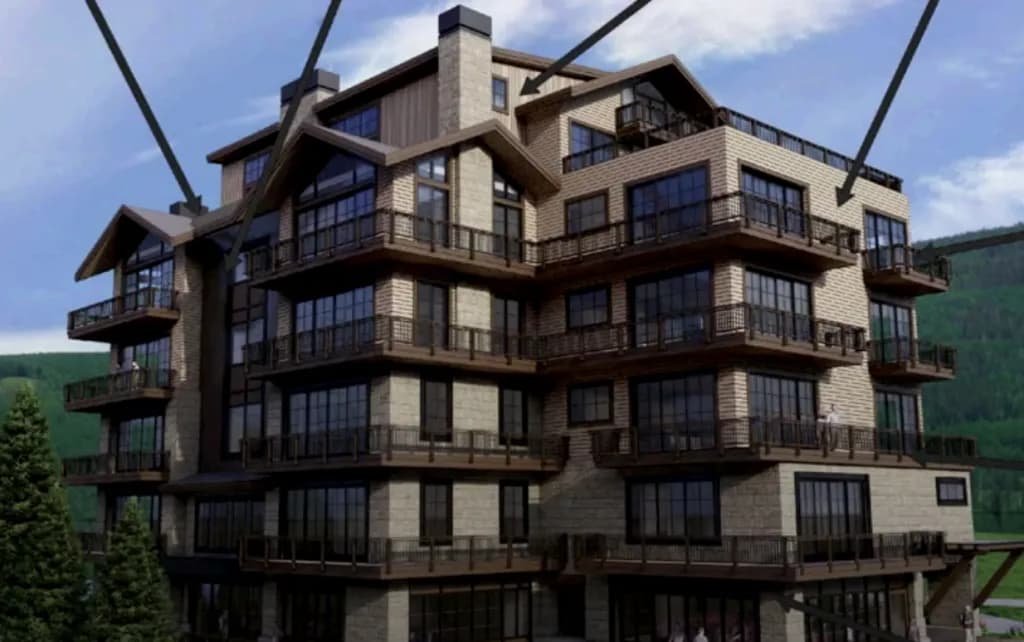
On Tuesday, the Vail Town Council voted 4-3 to approve the development agreement, cementing the project’s path forward despite a chorus of local voices arguing that the process itself was flawed. The decision wasn’t just about concrete and steel; it was about who gets to speak, how long they get to speak, and what gets lost in the shuffle.
The project had already cleared two major hurdles: unanimous approval from the Planning and Environmental Commission in September and the Design Review Board in April. But the public didn’t buy the "rubber stamp" narrative easily. Lydia Spottswood, a homeowner in the nearby Landmark Building, had been vocal about the limits placed on public comment. She argued that when people have a financial stake in a matter, imposing strict time limits is "not considered good form."
Mayor Barry Davis proved her point on Tuesday night.
Spottswood was mid-sentence, using her experience as a former planning commissioner in Wisconsin to argue that developers minimize what happens during hearings, when Davis cut her off. Her three minutes were up.
“I’m respecting our time limits tonight, thank you for your comments,” Davis said.
He did the same to Laura Fitzpatrick, who was trying to explain why the council was approving a seven-story condo building. She started by saying it was easier to build up than to grant something else, but Davis interrupted, insisting the discussion should be limited to the administrative action of an easement for a pedestrian walkway.
“The project has gone through the appropriate process up to this point,” Davis said, shutting down the broader critique.
The walkway itself is a focal point. The current pedestrian path is 15 feet wide. The new plan reduces that to 13 feet. More importantly, the developer plans to make the west end of the walkway ADA compliant. But the east entryway? That redesign will have to be paid for by the town. Several commenters pointed out that the current access is lacking, and narrowing the space without fixing the ADA issues on both ends feels like a compromise on accessibility.
Council member Kim Langmaid, who wasn’t on the council when the Planning and Zoning Commission approval went through, reviewed the details and was struck by the loss of commercial space. She noted that while the garage serves nine units, the displacement of local businesses is significant. The Little Diner is just one casualty. Others will follow.
The vote was narrow. Four in favor, three against. The developers will move forward, the garage will rise, and the diner will pack up. But the question hanging over Lionshead isn’t just about parking or condos. It’s about whether the people who live here, who eat here, and who pay the taxes feel heard when the gavel comes down.
Stand there long enough and you can see the tension between the administrative efficiency Davis championed and the messy, time-consuming reality of public democracy. The walkway narrows. The units go up. And the diner closes its doors for the last time.
Keep up with Aspen
The day's Western Slope news, one email each morning. Free.