Waymo Plans Driverless Ride-Hailing Launch in Denver Soon
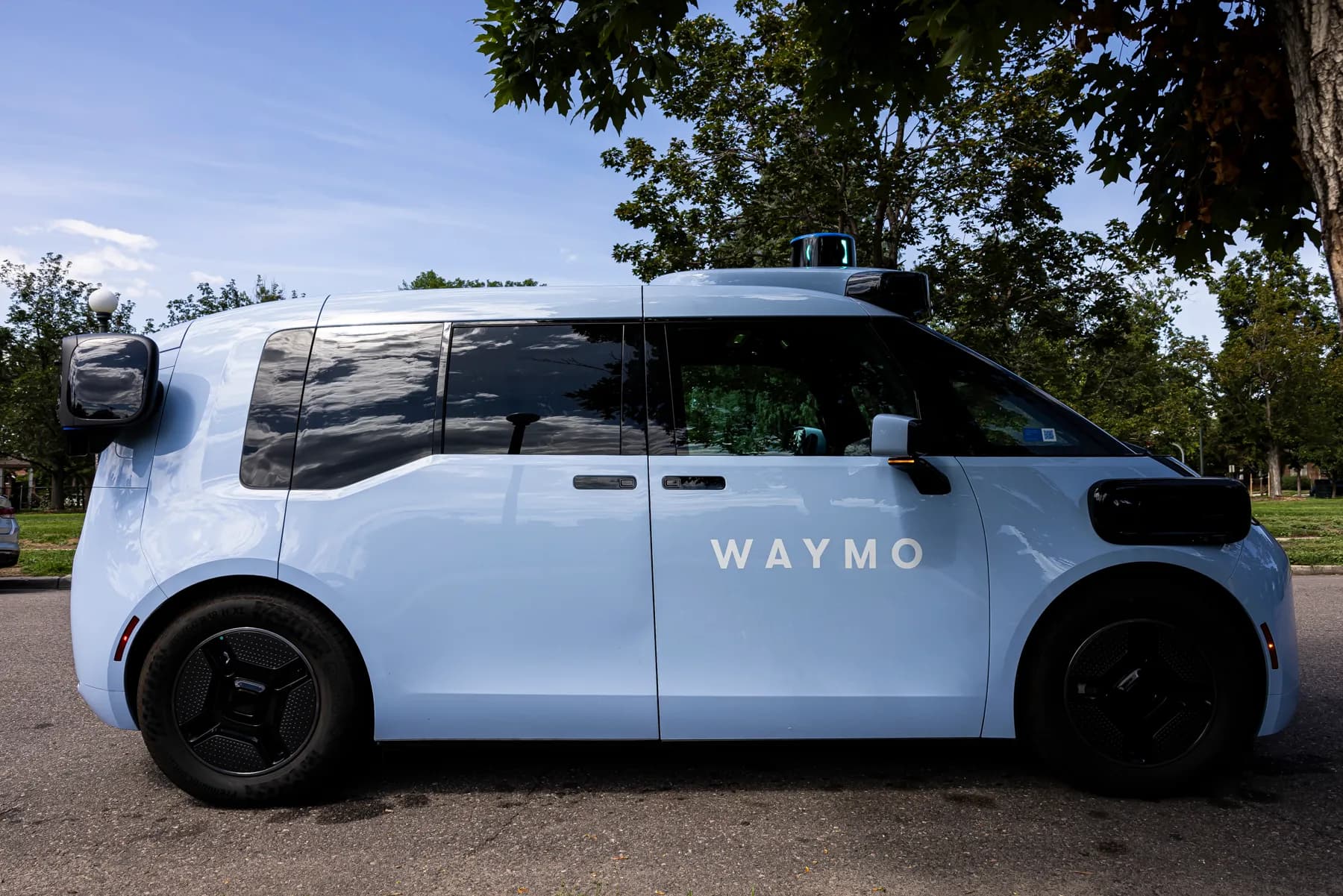
Waymo plans to launch its driverless ride-hailing service in Denver very soon, with the baby-blue Ojai vehicles already testing on streets within a defined polygon zone.
When will you be able to hail a driverless car on your corner in Denver, and will it actually drive itself?
The answer to both is yes, but the timeline is tighter than most locals realize. Waymo plans to launch its driverless ride-hailing service in Denver “very soon,” according to Chris Bonelli, the company’s product communications manager. While an exact launch date hasn’t been set, the company has moved past the initial testing phase and is now in the final stretch of safety validation before opening the service to the general public.
Locals have already been spotting the distinctive baby-blue electric vehicles, known as the Ojai, roaming the streets since September. At that stage, the cars were collecting 3D data of the city’s infrastructure. Some rides included a human safety driver behind the wheel; others had only passengers; and some were completely empty, a clear signal that the technology was ready for prime time.
“Very soon we intend to open to the public here in Denver, but I don’t have an exact date,” Bonelli said. He was in town this week to demonstrate the new Ojai model, which navigated stop signs, paused for pedestrians, and even respected “No Parking” signs.
The vehicle itself is designed to be unassuming. Pronounced “oh-hi,” the Ojai is named after the California city known for tranquility. That’s the vibe Waymo is going for. “We want our riders to feel” relaxed, Bonelli said.
For first-time riders, the experience might be less about zen and more about novelty. The cabin features three souped-up GPS screens that allow passengers to watch the car’s sensors in real-time. You’ll likely spend the ride taking selfies and sharing the moment rather than dozing off. But the technology is doing the heavy lifting. The vehicles are equipped with more than a dozen cameras and lidar sensors to blend into traffic.
So, where exactly will these cars take you?
Waymo isn’t covering the entire metro area. The initial service zone is a defined polygon that stretches from the junction of U.S. 36 and Interstate 25 in the north, down to the tip of the University of Denver in the south. To the west, the boundary hugs Sheridan Boulevard, and to the east, it reaches Central Park. A small portion of Glendale, the community engulfed by Denver, is also included.
That means no rides to the airport, and no trips out to the mountains just yet. The current fleet consists of only a couple dozen vehicles, shuttling around employees and early testers. But the expansion is planned. Denver is joining 11 other cities with active service, with 20 more on the way.
The question is whether the current limited footprint will satisfy commuters who have watched these cars test for months. The service is restricted to specific neighborhoods, leaving many residents to wait for the map to expand. But for those within the zone, the wait is nearly over.
“We intend to open to the public here in Denver,” Bonelli said. “But I don’t have an exact date.”
Keep up with the Western Slope
The day's Western Slope news, one email each morning. Free.