Weiser Won't Vote on Amendment 87, Marx Skips Live Debate
Attorney General Phil Weiser supports a wealth tax but cannot vote on Amendment 87 due to litigation, while Republican Victor Marx skipped a live debate and declined direct engagement.
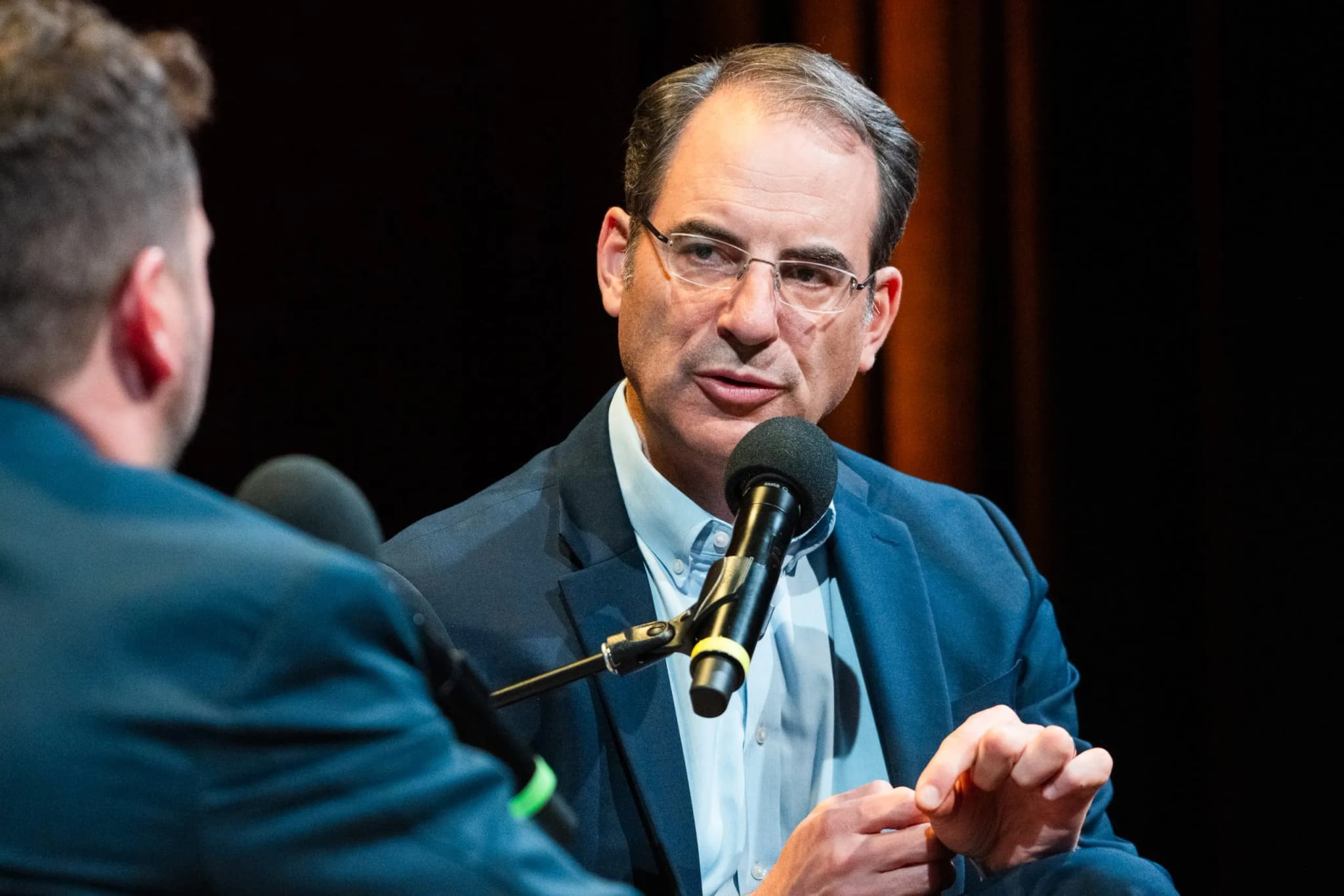
Phil Weiser says yes to taxing the wealthy. But he won’t tell you how he’ll vote on it.
That is the central contradiction of his campaign right now. As Colorado’s Attorney General, Weiser has a legal obligation to stay out of the fight over Amendment 87 because he is involved in pending litigation regarding it. But as a candidate for governor, he just told reporters on Thursday that people who are “doing really well” can afford to pay a little more. He supports Proposition NN, the other graduated income tax measure on the ballot. He just can’t commit to Amendment 87 yet.
For context, this isn’t a minor technicality. It is the biggest fiscal question on the November ballot. Weiser wants to be your governor, but he’s holding back his most significant economic position because of a legal conflict of interest.
Meanwhile, Republican nominee Victor Marx isn’t even in the room.
Marx skipped the live interview hosted by The Colorado Sun and Rocky Mountain PBS on Thursday evening. He also declined an invitation to debate Weiser directly. The only time the two men were scheduled to meet before Election Day was at a Colorado Chamber of Commerce forum on October 8. Even there, Marx appeared to read parts of his answers from notes he brought with him.
Weiser didn’t mince words about the absence. He said all Coloradans should be “concerned” by a major candidate who refuses to engage.
“If you basically say I’m going to stay in my bubble, curate my message, never leave my bubble, never have real engagement, you’re, to my mind, undermining what the democratic process is about,” Weiser said.
Let’s do the math on that engagement gap. Weiser showed up, answered questions, and admitted where he was stuck. Marx stayed home. In a race this close, silence is a strategy, but it’s a risky one for a governor who needs to govern with both parties.
Weiser also declined to weigh in on Ballot Issue 7A, which would raise sales taxes for people living near planned Front Range Passenger Rail stations. He didn’t provide specifics on how he would rein in the state’s Medicaid expenses, a budget line that is growing faster than revenue. He didn’t explain how he’ll handle the state’s faltering wolf reintroduction program.
Instead, his answer was procedural: he will have “as many people at the table as possible.”
“I believe if people believe they’ve been listened to, they’ve been at the table, they can respect decisions,” he said.
That is a promise of process, not policy. It’s a safe answer for a Democrat running in a state that is politically split down the middle, but it leaves voters without a roadmap for the hard choices ahead.
The practical bottom line is simple: You are choosing between a Democrat who admits he can’t decide on the biggest tax question because of his current job, and a Republican who refuses to let you ask him questions face-to-face.
Weiser is betting that his track record as Attorney General will carry him into the Governor’s mansion. Marx is betting that avoiding the spotlight is safer than explaining himself in it.
For folks around here, especially those outside the Front Range who feel ignored by Denver-centric politics, this is a test of whether either candidate actually sees you. Weiser says he listens. Marx hides. The ballot is the only way to verify which one is telling the truth.
Keep up with the Western Slope
The day's Western Slope news, one email each morning. Free.