Craig Coal Plant Forced to Stay Open Despite Opposition
The US Energy Department's decision to keep the Craig coal plant running will increase energy bills and pollution for Coloradans, despite opposition from state regulators and environmental groups
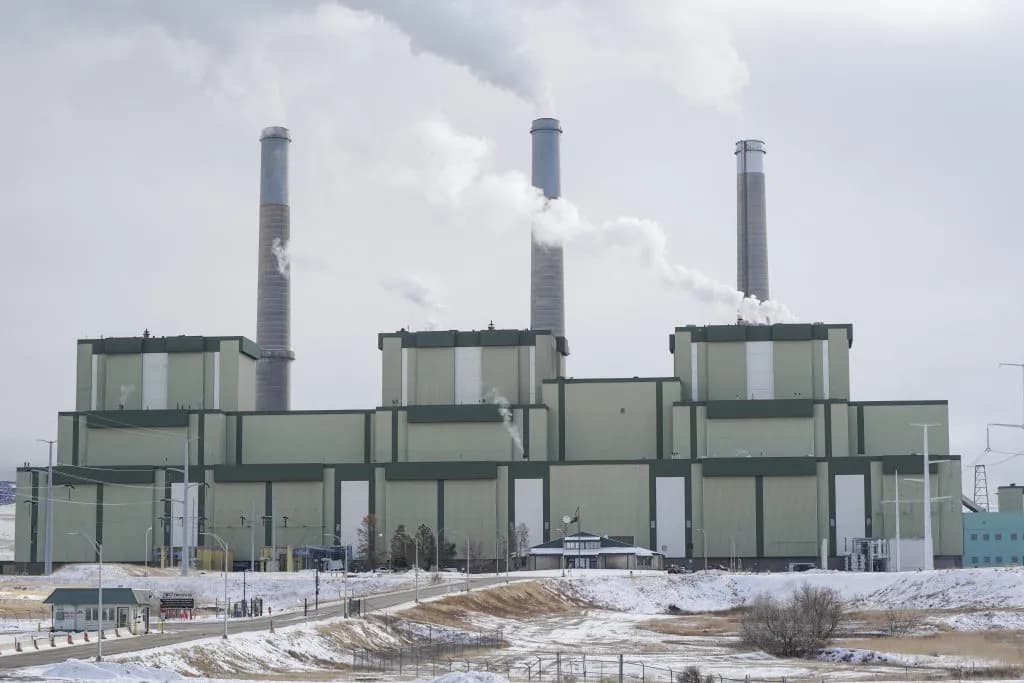
Aspen —Standing on the outskirts of Craig, the coal plant's smokestacks pierce the sky — a constant presence in this small Moffat County town. The hum of machinery is a familiar sound, but the plant's future is now uncertain. The US Energy Department has extended an emergency order, forcing the aging coal plant to remain operational through at least June 28.
Make no mistake, this decision will cost Coloradans — in higher energy bills and more pollution. Leslie Coleman, senior attorney with Earthjustice's Rocky Mountain Office, is blunt: "The Trump administration has doubled down on an order that no one seems to want except the coal industry." The plant's co-owners, including Tri-State Generation and Transmission Association, have had to pour money into keeping the unit available, costs that will likely be passed on to consumers.
The justification for this move is an alleged energy "emergency" in the West, but Colorado Attorney General Phil Weiser disagrees. "There is no energy emergency, and stopping the Craig unit's retirement would not ease any imagined energy need," Weiser said in a press release announcing his lawsuit against the federal agency. Weiser claims that authorities are illegally abusing their authority under the Federal Power Act; a charge echoed by environmental groups. The Craig coal plant is not an isolated case. The Trump administration has used similar tactics to keep open coal plants slated for retirement in Michigan, Washington, Indiana, and an oil plant in Pennsylvania. The pattern is clear: the administration is prioritizing the coal industry over the interests of consumers and the environment.
Read that again: the Energy Department is keeping a 40-year-old coal plant running, despite opposition from its co-owners and state regulators. The short version is that this decision will hurt Coloradans' wallets and the environment. Worth watching is how this saga unfolds - will the courts intervene, or will officials continue to extend the emergency order?
In Moffat County, the impact will be felt directly. The plant's continued operation means more pollution in the region, affecting air and water quality. For folks around here, the concern is not just about the environment. it's about the economic burden of higher energy costs. That's what Delta County spends on road maintenance in a year, and now it's being diverted to keep an aging coal plant running.
The community is not buying claims of an energy emergency. As one resident noted, the plant's shutdown was already planned, and utilities had prepared for the transition. The sudden extension of the emergency order raises questions, what's really driving this decision, and who benefits from keeping the coal plant running? The answer, so far, is the coal industry. For Coloradans, the cost is clear: higher energy bills and more pollution.
Keep up with Aspen
The day's Western Slope news, one email each morning. Free.