Western Slope Faces Critical Water Scarcity as 140% March Melt Traps Snowpack
Western Slope faces critical water scarcity as a deceptive 140% March streamflow leads to rapid snowpack collapse, leaving rivers with only 24% of normal flow for the crucial June-July period.
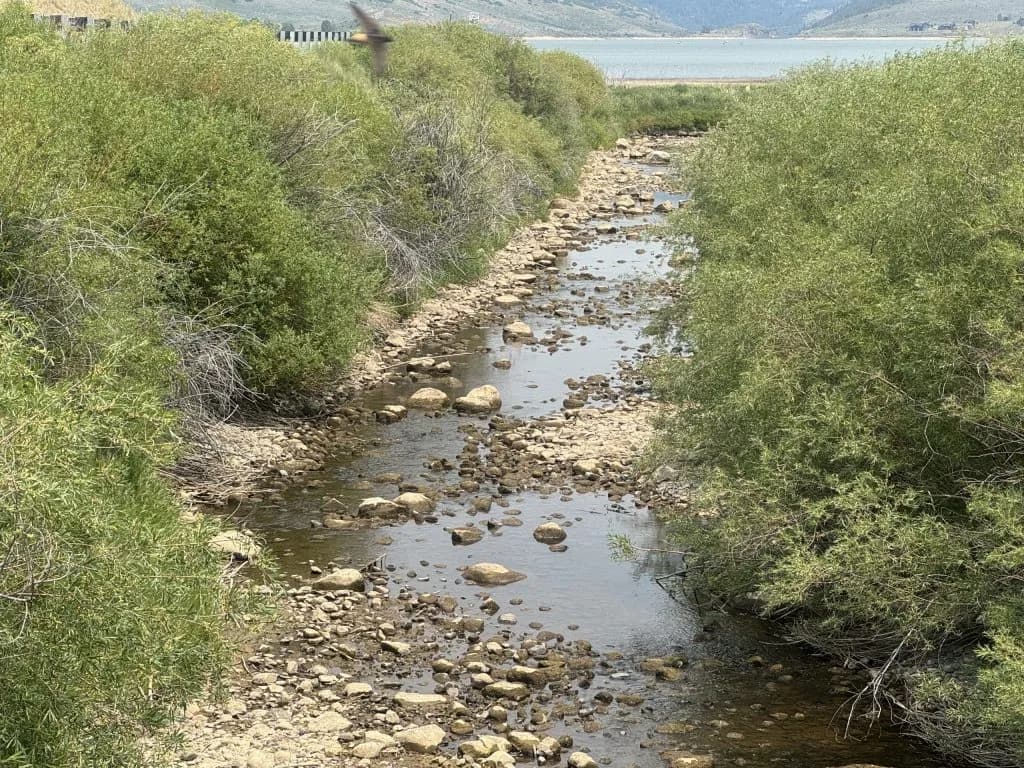
Aspen —“Typically because we don’t have runoff that early.”
That’s the quote from Nagam Bell, a hydrologist with the Natural Resources Conservation Service (NRCS), explaining why March streamflows hit 140% of normal. It sounds like a good problem to have. More water in the spring means more water for the summer, right?
Wrong.
The early melt was a trap. A heat wave in March triggered a rapid snowpack collapse, depleting nearly half the winter’s accumulation before the rest of the state had even finished its spring skiing. The NRCS calls this an “unusual volatile winter.” I call it a logistical nightmare for anyone relying on that water for irrigation, drinking, or hydroelectric power.
Here is the reality for folks on the Western Slope: Colorado’s rivers and streams are projected to flow at only 24% of normal levels during June and July.
Let’s do the math on what that means for your specific stretch of river. The Colorado River headwaters basin is expected to see streamflows at just 21% of normal. The Yampa-White-Little Snake basin is sitting even lower at 19%.
On paper, these numbers look like minor adjustments. In practice, they represent a systemic failure of the state’s water storage model. We spent months preparing for a normal snowpack. We got a record-low accumulation instead. And then we got a meltout that was 36 days ahead of schedule.
By June 1, 91% of NRCS SNOTEL stations were fully melted out. The normal benchmark for that date is 56%. Within the Colorado River headwaters, only 3% of normal snowpack remained by June 1. The entire statewide snowpack was 100% melted by June 10.
This wasn’t just a bad year. It was a historic anomaly. Bell noted that this is the third-lowest June snowpack in the NRCS Snow Survey period of record. It trails only 2002 and 2012. Those were the years that contained higher seasonal peaks in mid-March but experienced rapid meltout in early April and May. We are repeating the pattern, but with even less total volume to begin with.
The consequences are already visible in the data. Statewide observed streamflows from March through May were 50% of normal. April and May alone saw flows at 41% of normal. The March runoff skewed the agency’s seasonal comparison, making the early surge look robust until it vanished.
For context, consider the infrastructure. Along Muddy Creek below Wolford Mountain Reservoir near Kremmling, forecasts drop as low as 16% of normal. That is critical storage territory. At the other end of the spectrum, Willow Creek below the Willow Creek Reservoir near Granby is projected to see 36% of normal — the highest forecast in the basin. But even that is a fraction of what locals expect for summer irrigation.
The NRCS outlook notes that in some rivers, the mid-May peak became the seasonal maximum. Normally, the peak occurs in early June. When the peak happens in May, it means the water is gone by the time the summer heat really kicks in. You miss the June-July window entirely.
This affects more than just farmers. It impacts hydropower generation that keeps the grid stable. It threatens fish populations in the Yampa and the Colorado that rely on consistent flow rates. It also hits the tourism industry that markets these rivers for rafting and fishing.
The data is clear. The snow is gone. The melt is done. The rivers are shrinking.
For the neighbors in Delta, Montrose, and Rio Blanco counties, this isn’t a forecast. It’s a constraint. You are operating with less than a quarter of your usual water supply for the two most critical months of the year. The volatility of the winter has been converted into a certainty of scarcity for the summer.
Keep up with Aspen
The day's Western Slope news, one email each morning. Free.

Aspen Housing Authority Seeks $590K Office Upgrade Amid Cramped Conditions

Vail Secures Water Rights for 37-Unit Montelisse Condo Project
Moffat County Commissioners Weigh Data Center Moratorium Amid Transparency Claims

Aspen Skiing Company hosts 10th annual Stars Above astronomy night

Aspen Animal Hospital Clinical Leader Dr. Anne Cooley Navigates WellHaven Ownership Shift