Western Slope Residents Practice Ready Set Go Wildfire Evacuation Plans
A guide to the 'Ready. Set. Go!' wildfire framework, detailing how Western Slope residents can prepare go-bags, practice evacuation routes, and stay alert for emergency alerts to ensure safe and swift evacuations.
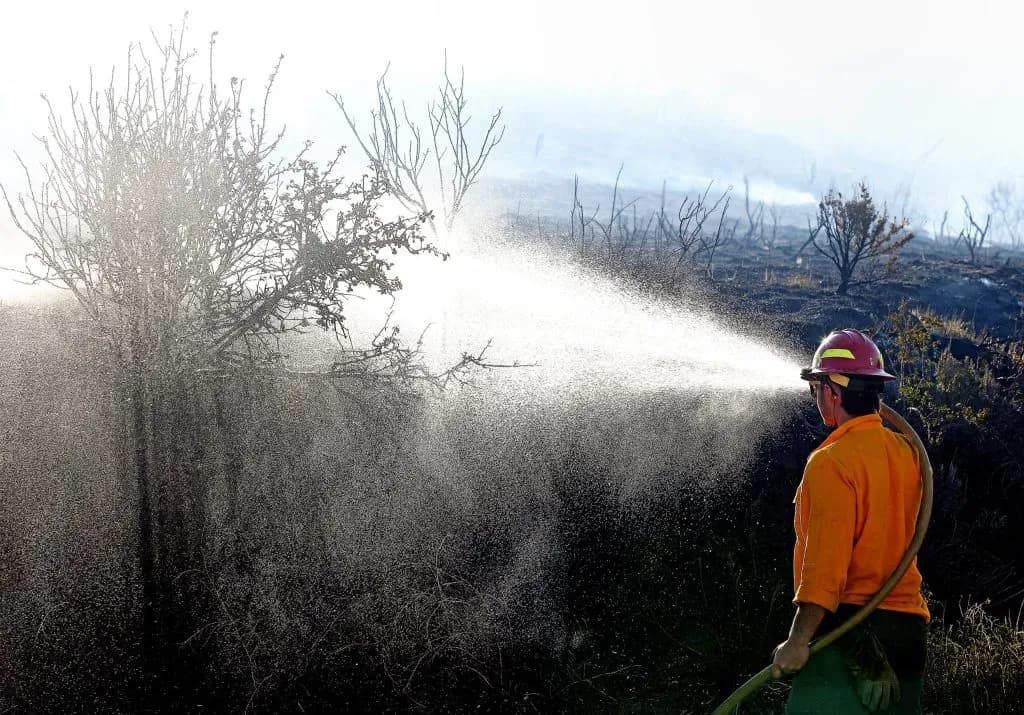
Aspen —"Sign up for your local emergency alerts," the American Red Cross advises, "so that they are receiving the most up-to-date information from emergency managers in the event of a wildfire."
It sounds simple enough, a checkbox on a municipal website or a push notification on a phone that might already be dying in the pocket. But here on the Western Slope, where the air turns to ash and the sky bleeds orange before the sun even sets, that single notification can be the difference between a calm drive down Highway 6 and a gridlocked panic on the I-70 corridor. We use the phrase "Ready. Set. Go!" constantly in this valley, but do we actually live it, or do we just say it when the smoke gets thick enough to taste?
The framework is standard across Colorado and most of the U.S., a three-act play for survival that emergency managers use to cut through the noise. The "Ready" stage is the quiet prep work, the long game of creating a wildfire plan and packing a go-bag long before the first spark jumps the fence. It’s about making sure you don’t have to rush when the sirens start. This means knowing where the gas, electric, and water main shutoffs are, not just in your head, but with your hands. It means having fire extinguishers in every room and knowing how to use them, not just how to buy them. It means practicing several different evacuation routes until they feel like second nature, so when the tension rises and your heart hammers against your ribs, you aren’t trying to remember if you should head north toward Glenwood Springs or south toward Basalt.
There’s a warmth to the idea of preparation, but it’s a practical warmth, not a cozy one. It’s the warmth of a three-day supply of food and water sitting in the trunk of your car, ready to go at a moment’s notice. Wildfire officials recommend keeping that go-bag in the vehicle, because sometimes there isn’t time to run back into the house. And if the phone lines go down — and they will, when the power cuts and the cell towers get buried in smoke — you need a portable radio or scanner to stay on top of the fire and weather information. You need to be listening.
Then comes the "Set" stage, the pre-evacuation notice. This is when the active wildfire is close, hovering on the horizon, not yet directly threatening your specific neighborhood but close enough to make the hair on your neck stand up. Local officials issue pre-evacuation orders, putting neighborhoods on standby. This is the time to monitor conditions closely, to alert the neighbors you might not talk to every day, and to dress for the journey. Wear natural fibers like cotton, sturdy work boots, goggles, and a bandana or mask for the smoky conditions. Stay close to your home. Drink plenty of water. Double-check that go-bag.
The "Go!" stage is the order to evacuate, the moment the standby becomes a mandate. It’s not a suggestion. It’s the point where you leave, and you don’t look back.
Think about your own home. When was the last time you actually practiced your evacuation route? Not just in your mind, but in the car, with the kids or the dog, during rush hour and in the middle of the night? If you’re waiting for the smoke to turn the sky brown before you start thinking about your action plan, you’re already behind. The fire doesn’t wait for you to finish packing your prescriptions. It doesn’t care if you’re tired. It moves with a speed that feels supernatural until you’ve seen it, until you’ve felt the heat radiating through the glass of your living room window.
We like to think we’re prepared here. We’re Western Slope folks; fire is part of our landscape, part of our history. But preparation isn’t just about having the gear; it’s about the discipline to maintain it. It’s about knowing where the livestock go, how the pets fit into the plan, and who is responsible for what when the chaos starts. It’s about making sure that when the "Go!" order comes, you’re not thinking about what you forgot to pack. You’re just going.
The air outside is dry, brittle, waiting for a spark. Listen for the radio. Check the bag. Know the route.
Keep up with Aspen
The day's Western Slope news, one email each morning. Free.