Steamboat Pilot Commentary Urges Unity for America's 250th Birthday
A Steamboat Pilot guest commentary calls for renewed civic unity ahead of America's 250th birthday, urging residents to look past modern political polarization and embrace shared historical values.
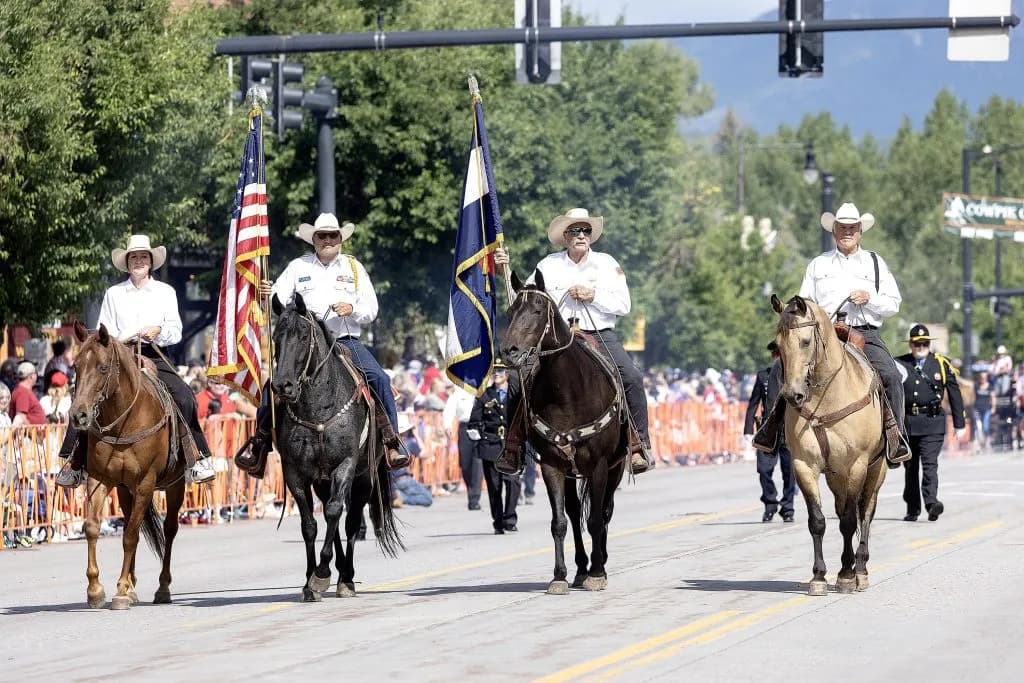
Steamboat Springs —The flag is already up. It’s been up for months, hanging limp in the dry Colorado air, waiting for a birthday that hasn’t arrived yet. But before we raise the colors for the nation’s 250th, the Steamboat Pilot asks a question that feels less like a celebration and more like a plea: can we actually touch that memory of unity?
Not the polished version in the textbooks. The messy, hard-won kind.
In a guest commentary published Tuesday, the Pilot’s writer argues that America’s bicentennial-plus-five isn’t just about looking back at history, but about seeing our neighbors in a new light. The writer, writing from the Rocky Mountains, suggests that the "open portal to the future" isn’t automatic. It requires us to look past the "noisy, hateful clawing" that seems to define so much of modern life.
"We who live on this planet, this continent, this country named America, this community in Colorado’s Rocky Mountains, have an opportunity that lies in an open portal to the future that stretches in front of us," the writer notes.
It’s a big claim. To say that a single generation holds the key to a united America feels optimistic, maybe even naive, when you’re stuck in gridlock on Highway 40 or watching the local school board debate curriculum. But the writer doesn’t ask us to ignore the faults. The piece acknowledges "hypocrisy and youthful blindness" head-on. It asks us to remember a time when Democrats and Republicans stood together, not because they agreed on everything, but because something evil was brought to an end and the flag was raised.
That memory has dimmed. The writer compares our current moment to "melted wax" threatening to put out a candle’s flame. We are keepers of that wick. The question is whether we let it burn out or if we shield it from the wind.
The commentary leans heavily on the experience of those who lived through the Great Depression and World War II. These weren’t just dates in a calendar; they were visceral realities. More than 16 million Americans served. 400,000 died. The writer argues that this generation earned a specific kind of pride — not a "bad and... sinful" pride, but a recognition of what was good. It was a pride rooted in the difference between good and evil, not in self-congratulation.
"Having become an adult in the last century, I learned from my parents and grandparents about families’ hardships when our country underwent overwhelming economic depression," the writer recalls. "They were the generation that faced an even larger struggle when evil, recognized and threatening, came close to almost everyone on this planet Earth."
This isn’t just nostalgia. It’s a call to action. The writer asks what a handshake means today. What does a promise? What are we teaching our children about being "home of the brave"?
Instead of folding our arms and protecting ourselves, the piece urges us to reach outward. It’s a simple image, but in a polarized political climate, reaching outward is radical. It means assuming the person on the other side of the aisle — or the one down the street, shares that same foundational awareness of freedom and citizenship.
The writer doesn’t offer a policy fix. There’s no tax break or zoning change here. The solution is cultural, almost spiritual. It’s about remembering that we are woven into the same thread. It’s about determining the difference between good and bad in a world that often confuses the two.
"We are reaching for it now," the writer writes.
The article closes with a simple, urgent image: reaching for the sun instead of hiding in the shade. It’s a small thing, really. But if the flag is going to fly for 250 years, we need to make sure we’re still holding the pole.
Keep up with Steamboat Springs
The day's Western Slope news, one email each morning. Free.