Whiting Argues Western Slope Has Lost Its Edge on Freedom
Whiting’s op-ed challenges the Western Slope community to reclaim its founding principles, arguing that complacency on issues like immigration and Social Security threatens the region's unique success.
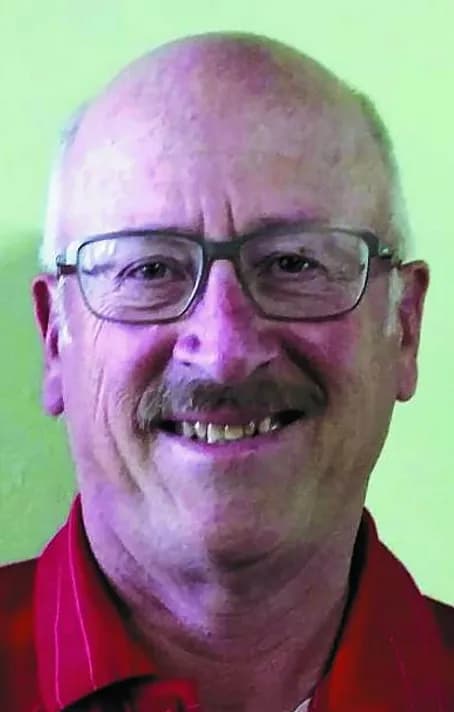
Glenwood Springs —The gravel crunches under tires on U.S. Highway 50, just past the turnoff for Paonia. It’s a quiet stretch of road, flanked by orchards and the looming silhouette of the Elk Mountains. But if you listen closely, or read the op-ed pages of the local paper, you can hear a different kind of rumble. It’s the sound of a community asking itself a simple, uncomfortable question: Are we still the exception, or have we just become comfortable?
That’s the core of it. Whiting argues that July 4 shouldn’t just be a day for grilling burgers and remembering the Revolution. It’s a reminder that our success isn’t automatic. It requires us to actively advocate for the principles that built this place.
“What has America done that’s so special?” Whiting asks. It’s the question locals ask when they’re stuck in traffic on the I-70 corridor or watching the price of eggs climb at the Safeway. The answer, according to the column, is that we turned a third-world equivalent into a global powerhouse in less than a century. We didn’t just survive; we thrived on freedom and economic effectiveness.
The column points to tangible wins. We ended slavery. We took out Hitler, Hirohito, and Khrushchev. We lead in science and space. But Whiting suggests we’ve let our guard down. We’ve allowed international threats to infiltrate our domestic presence. We’ve ignored common sense.
Take immigration, for example. It’s a hot-button issue in Delta County, where ranchers and retirees alike are watching the borders and the budget. Whiting notes that immigration is necessary, but the old rules ensured newcomers brought skills and didn’t drain the system. Now, the column asks, how many people would come if free housing, food, medical care, education, and unemployment benefits were on the table?
The implication is clear. The system has shifted. We’re seeing noncitizens vote and hold public office, including in Congress, passing laws that affect us. The founding fathers, Whiting argues, would find that beyond comprehension. They built a system based on clear principles. We’ve blurred them.
Consider Social Security. Whiting points out a stark contrast. The average American who worked for 40 years gets a check. An able-bodied 25-year-old who didn’t follow the legal immigration procedure gets benefits immediately. It’s a jarring comparison. It makes you wonder if the system is still rewarding the work ethic it was designed to protect.
This isn’t just about national politics. It’s about what happens here, on the Western Slope. It’s about whether the values that made this valley productive — individual drive, perseverance, common sense — are still the driving force. Whiting suggests we’ve become too insulated. We’ve allowed aspects of our culture to be used against us without resistance.
The column doesn’t offer a easy fix. It’s a call to remember. To recognize that freedom isn’t a given. It’s a responsibility. And right now, that responsibility is slipping.
As Whiting puts it, we need to look past the resorts and the headlines. We need to look at the food, the products, the services, and the freedom of movement that others risk everything to get. That’s what we have. The question is whether we’re willing to fight to keep it.
Keep up with Glenwood Springs
The day's Western Slope news, one email each morning. Free.



Battle Mountain Huskies Defeat Glenwood Springs to Secure Playoff Host
Pueblo Teacher Challenges Silent Incumbent in Colorado Education Race