Western Slope Residents Question Who Owns the Flag
An opinion piece exploring the shifting narrative of patriotism on Colorado's Western Slope, where flags fly high but the meaning of freedom and ownership is increasingly contested by locals.
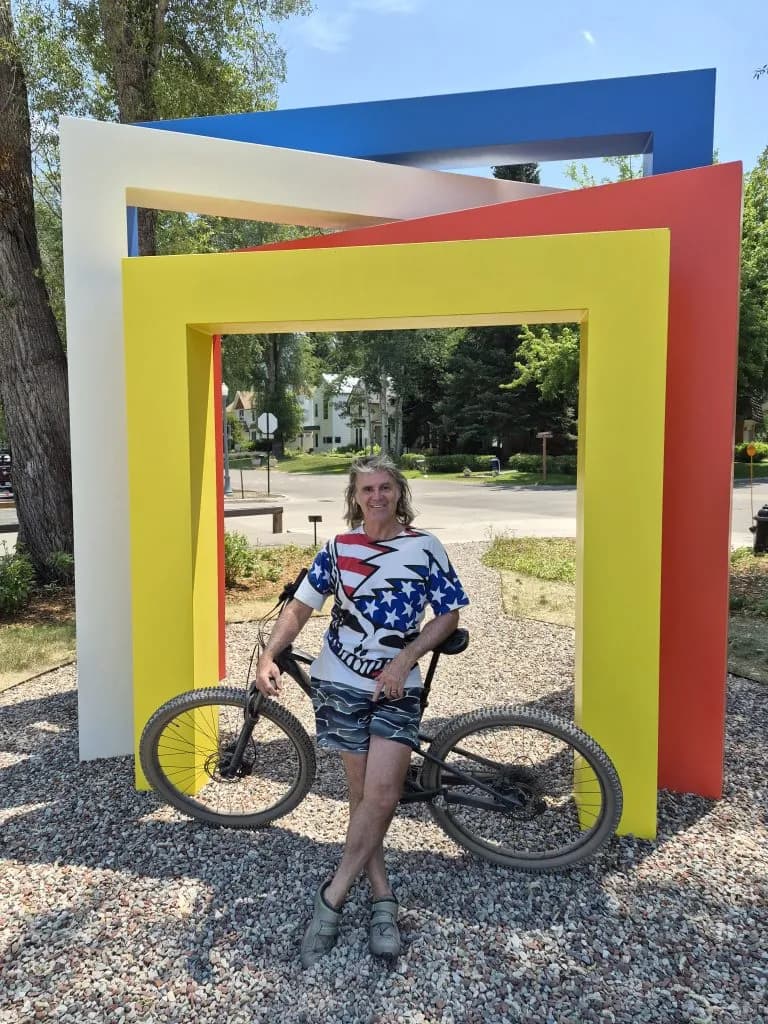
Aspen —The wind off the Roaring Fork still carries that sharp, thin bite, even in July. It cuts through the flannel of anyone standing still too long on Main Street. But inside the local coffee shops and the backyards of the valley, the air is thick with a different kind of tension. It’s not just the heat. It’s the noise.
It’s America’s birthday, and the locals are crying if they want to.
Not the polite, patriotic tears of a flag-raising ceremony. These are the frustrated, exhausted tears of people who feel like they’ve been sold a bill of goods they never signed up for. The narrative is shifting from celebration to scrutiny. And the scrutiny is getting loud.
Take the flag situation. You can’t drive down H-6 without seeing them. Six American flags. Three Colorado flags. They’re draped over porches, planted in mulch beds, and flying from garage rafters. It’s a virtue-signaling flex that’s become as common as the ski bum lifestyle it supposedly contradicts. But look closer. The person flying the flags isn’t always the one you expect. It’s the longhaired, tie-dye-wearing Democrat who votes. It’s the conservative’s worst nightmare, playing a game of “re-capture the flag” in their own backyard.
Who owns the flag? That’s the question hanging over the Western Slope.
We’re told freedom is a given. It’s the inalienable right to “Life, liberty and the pursuit of happiness.” It’s the right to ski, wear, eat, and behave however you see fit. But freedom has consequences. It has guardrails. And right now, we’re bouncing off them hard. The pressure to use that freedom — or risk losing it — is immense. We’re told people died for it. My dad very nearly did. But are we sure that’s what’s happening now?
I’m not entirely convinced.
The country is in the throes of growing pains. Immense ones. We’re argumentative. Combative. Disenchanted. The political cannon has impeccable aim, firing scattershot cannonballs that destroy without remorse. We had multiple chances to live up to our ideals. We squandered them.
When was the last time we rallied around a unifying cause? 9/11. That was the peak. Then the blood thirst set in. We killed Bin Laden. I punched the sky. Then Covid came waltzing in like a diseased debutante. It promised unity. It delivered an irreparable fracture. We’re optimistic another golden opportunity will present itself. We’ll blow that one, too.
It’s an exercise in civics to watch the episodes. Ken Burns’ “The American Revolution” on PBS has instilled a profound sense of patriotism in some. In others, it’s just noise. The series is a reminder of what we were supposed to be. One hundred years from now, documentarians will look back. They’ll see the flags. They’ll see the confusion. They’ll see the disconnect between the theory of freedom and the reality of living within societal norms.
“Stay in your lane, dude,” the locals say. But the lanes are disappearing. The road is widening. And the traffic is getting worse.
This isn’t just about Aspen. It’s about every town from Glenwood Springs to Ouray. It’s about the property taxes that keep the lights on and the political ads that keep the voters angry. It’s about the realization that being an American is no longer a birthright. It’s a performance. And the audience is getting restless.
The flags are flying. The coffee is hot. The argument is loud. And nobody is sure who’s really in charge anymore.
Keep up with Aspen
The day's Western Slope news, one email each morning. Free.