Western Slope Snowpack Hits Record Lows Amid Heatwave
The Western Slope's snowpack has reached historic lows due to a record-smashing heatwave, posing severe drought and wildfire risks to the region
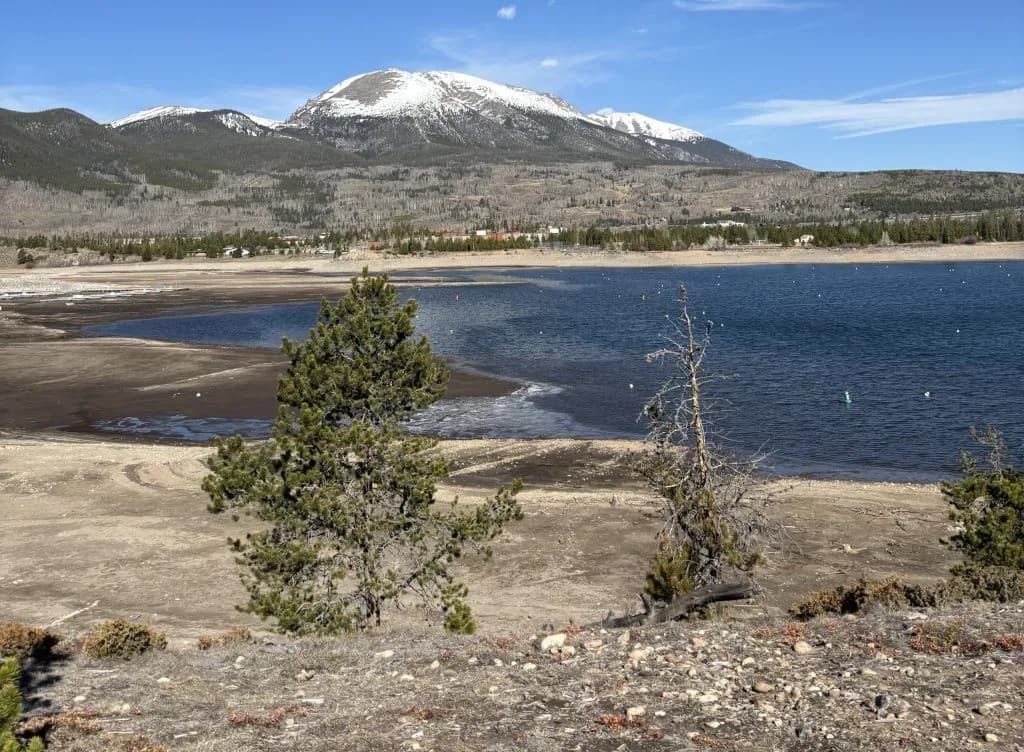
Aspen —Make no mistake — the Western Slope's snowpack has never been this bad. Record lows are not just a concern, they're a harsh reality. Colorado's snowpack is likely the worst on record for this time of year, surpassing even the historically bad seasons of 1976-77 and 1980-81. The Colorado Climate Center's Engagement Climatologist, Allie Mazurek, doesn't mince words: "current data suggests that we're now sitting at Colorado's worst snowpack on record."
The numbers are stark. Snow telemetry, or SNOTEL, systems have indicated the snowpack is the worst in decades in many parts of the state. Manual snow course data, collected since the 1930s, suggests that this winter had only the second or third worst snowpack on record in most parts of the state — until now. The April 1 snow course data could show the lowest snowpack on record for this time of year in Colorado.
A "record-smashing" heatwave is to blame for the rapid melt. Temperatures across Colorado smashed all-time record highs, with the warmest March temperatures ever recorded. The heatwave was "unprecedented," "extraordinary," and "impossible to ignore," according to Mazurek. The map of Colorado comparing maximum temperatures in March 2026 to previous records is a sea of red, indicating where temperatures broke previous records.
The implications are dire. Drought and wildfire risks are rising, and the Western Slope is particularly vulnerable. The lack of snowpack means less water for irrigation, drinking water, and wildlife habitats. It also means an increased risk of wildfires, as dry conditions create a tinderbox of fuel for potential fires.
Locals are bracing for the worst. Farmers are worried about the impact on their crops, while ranchers are concerned about the lack of water for their livestock. The community is on edge, waiting to see how the rest of the summer will play out.
The short version: this is not just a bad snowpack year, it's a record-breaker. And the consequences will be felt for months to come. Read that again, the snowpack has reached historic lows. Worth watching is how officials respond to this crisis, and what measures they take to mitigate the effects of drought and wildfires.
In Delta County, the lack of snowpack means a significant reduction in water available for irrigation. That's what Delta County spends on road maintenance in a year; and it's a drop in the bucket compared to the economic impact of a drought. The town of Paonia is already feeling the effects, with water restrictions in place and farmers scrambling to find alternative sources of water.
The Colorado Climate Center is waiting for official confirmation from snow course data at the end of the month, but the writing is on the wall. This crisis will affect every aspect of life on the Western Slope, from agriculture to recreation. The question is, what will be done to address it?
Drought and Wildfire Risks
As the snowpack continues to melt, the risk of drought and wildfires grows. The Western Slope is no stranger to wildfires, and the lack of snowpack means that conditions are ripe for a disaster. The community is on high alert, with firefighters and emergency responders preparing for the worst.
In Montrose County, the sheriff's office is warning residents to be vigilant and to report any signs of wildfires immediately. The county is also implementing burn restrictions, in an effort to prevent human-caused fires. But it's not just human-caused fires that are a concern - the dry conditions mean that lightning-caused fires are also a significant risk.
The economic impact of a drought and wildfires will be significant. Agriculture is a major industry on the Western Slope, and a lack of water means a reduction in crops and livestock. Recreation is also a major driver of the local economy, and wildfires can have a devastating impact on tourism.
As the situation continues to unfold, the Western Slope is in for a long, hot summer. The lack of snowpack will have far-reaching consequences. The real challenge will be dealing with the consequences of this record-breaking drought. Make no mistake, this will cost taxpayers millions, and the community will be feeling the effects for years to come.
Keep up with Aspen
The day's Western Slope news, one email each morning. Free.