Western Slope Sees Rare Late April Snowstorms Bringing Relief
Two back-to-back snowstorms are bringing much-needed snow to Colorado's high country, relieving concerns over drought and wildfire risk in the Western Slope region.
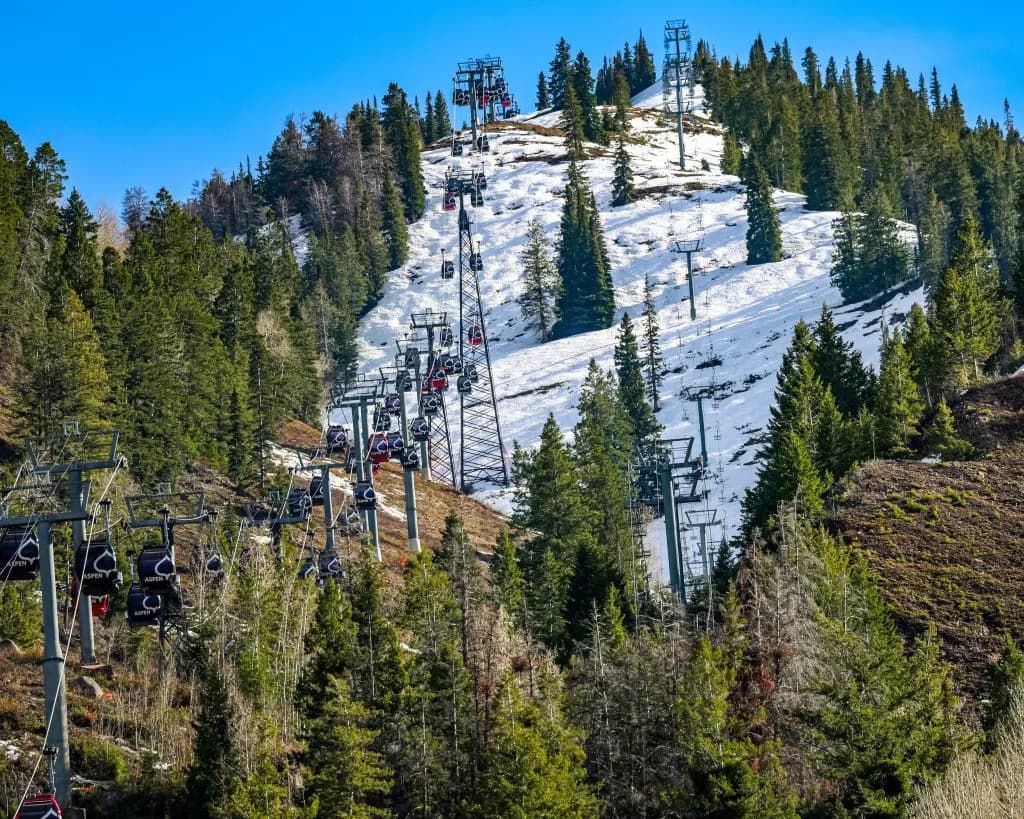
Aspen —Snowflakes swirl around the Maroon Bells — a rare sight in late April. The air is crisp, the wind carries a chill. This isn't the usual Western Slope spring. Two back-to-back storms are barreling down on Colorado's high country, bringing much-needed snow to the central and southern mountains.
Make no mistake — this snow is a welcome relief. Record-breaking warm temperatures in March left the region parched and primed for wildfires. Red flag warnings were issued for several Western Slope counties on Monday, with temperatures soaring into the 50s and 60s. But by Wednesday, temperatures will plummet to the 40s and 50s, accompanied by notable snowfall.
The first storm will hit Tuesday night, dumping 8-16 inches of snow on central and southern mountain resorts like Purgatory and Aspen. Northern resorts, such as Vail and Breckenridge, will see significantly less, 3-8 inches. The snow/rain line will hover around 8,000 feet, meaning lower-elevation valleys will likely see more rain than snow.
Difficult travel conditions are expected on mountain passes, with winds gusting up to 40 mph from Tuesday afternoon to Wednesday night. Morning and evening commutes will be impacted, so locals should plan accordingly. The National Weather Service has issued a winter weather advisory for several mountain towns, including Aspen, Snowmass, and Vail.
The second storm will bring more snow and colder temperatures from Thursday night to Saturday morning. However, this storm will lack moisture, resulting in lower snow totals; 3-10 inches for the northern and central mountains. OpenSnow Founding Meteorologist Joel Gratz warns that the new snow will be thin, and riders should exercise caution.
Colorado's snowpack is well below average, currently sitting at 24% of the median for March 30. This is what Delta County spends on road maintenance in a year - a stark reminder of the economic impact of a poor snow season. Another storm is possible around April 8-10, but it's too early to tell. For now, folks around here will take what they can get. a brief respite from the unseasonable warmth, and a chance to replenish the dwindling snowpack.
The short version: two storms, plenty of snow, and a much-needed break from the heat. Read that again, 8-16 inches of snow for some resorts. That's a lot of powder. Worth watching: how these storms impact the region's wildfire risk, and whether they'll be enough to boost the struggling snowpack.
As the storms move in, people in the valley will be keeping a close eye on the skies. They know that a good snow season can make all the difference; for the ski resorts, the farmers, and the local economy. This will cost taxpayers and businesses alike if the snowpack doesn't recover. The community is holding its breath, waiting to see if these storms will bring the relief they so desperately need. The snowflakes keep falling, a reminder that winter isn't over yet - not on the Western Slope.
Keep up with Aspen
The day's Western Slope news, one email each morning. Free.