Wheeler Opera House Launches Free July and August Events in Glenwood Springs
Wheeler Opera House removes admission barriers with a series of free events in July and August, featuring Pulitzer winner Deanne Fitzmaurice, vertical climbing group BANDALOOP, and a world premiere by Camille Henrot.
Glenwood Springs —The Wheeler Opera House is betting that if you build a stage, the community will come — even if you don’t charge them an admission fee.
Executive Director Mike Harrington put it plainly in the press release: “We never want cost to be the reason our community can’t gather to enjoy live performance.”
So, for July and August, the historic Glenwood Springs venue is pulling back the curtain on a series of free events. It’s a strategic move in a town where tourism drives the economy, but locals still need cultural anchors that don’t require a wallet to access. The lineup includes a special Changemaker Speaker Series, outdoor July 4 performances, and an early-evening music set in The Vault.
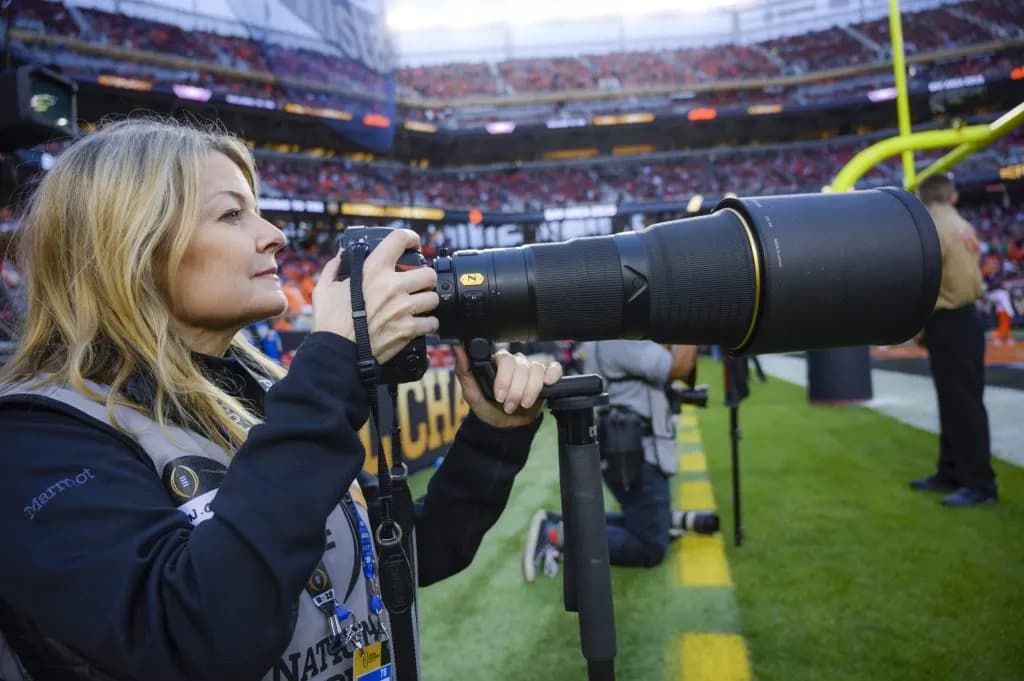
The first major event hits July 2 with the America 250 Changemaker Speaker Series featuring Pulitzer Prize-winning photographer Deanne Fitzmaurice. She’s bringing “250A Portrait of a Nation” to the stage at 7 p.m. It’s a ticketed free event, meaning you still need to grab a pass, but the barrier of entry is zero dollars.
Fitzmaurice isn’t just reading slides. She’s a photojournalist with nearly four decades of experience, covering everything from the AIDS crisis and the Loma Prieta earthquake to marriage-equality rulings and global conflict. Her work has appeared in National Geographic, Sports Illustrated, and ESPN. The theme here is resilience and empathy, anchored by her Pulitzer-winning essay on a young Iraqi war victim’s recovery.
It’s heavy stuff for a Tuesday evening, but it fits the Opera House’s mission of using art to shape national memory. As Harrington noted, the goal is connection. If people are worried about the price of a show keeping them out, this removes this friction.
Then comes the spectacle. On July 4, the dance company BANDALOOP takes over the Glenwood Springs venue’s façade. They don’t just perform on the stage; they use climbing technology to transform the building itself into a vertical canvas. Led by artistic director Melecio Estrell, the company blends dynamic movement with high-altitude choreography.
The performances start at 1 p.m. and run through 5 p.m. All ages are welcome, no reservations required. This is public art that forces you to look up. It’s a stark contrast to the seated, quiet appreciation of a traditional play. It’s loud, it’s physical, and it’s free. It turns a historic landmark into a playground for the senses.
Later in the month, on July 30, the venue shifts to the world premiere of Commedia dell’arte by interdisciplinary artist Camille Henrot. Taking place at 6:30 p.m., this event is co-commissioned by Performa, the Aspen Art Museum, the Wheeler Opera House, and the LYRA Art Foundation. Henrot uses stock characters and comic devices from the Italian Renaissance to explore contemporary issues. It’s a world premiere, meaning Glenwood Springs gets to see it before anywhere else.
The question is whether this strategy of free access sustains engagement or just attracts casual passersby. In a tight-knit community like Glenwood Springs, where the historic theater has been a gathering point for over 137 years, the answer seems to be the former. The venue isn’t just selling tickets; it’s selling belonging.
Harrington’s message is clear: the art is the product, not the price tag. By removing the cost, they’re inviting everyone in. It’s a bold statement in an era where cultural institutions are often criticized for being elitist or exclusive. Here, the door is open, the price is zero, and the expectation is that you’ll show up.
The outcome remains uncertain, but the intent is clear. If the free model draws the same crowds as the paid ones, it proves that accessibility drives attendance. But for now, the message from the top is that culture shouldn’t be a luxury item. It’s a public good. And this summer, the Wheeler Opera House is making sure everyone can afford it.
Keep up with Glenwood Springs
The day's Western Slope news, one email each morning. Free.