Why Stagecoach Is Colorado's Definitive Film
John Ford’s 1939 classic Stagecoach ranks as Colorado’s definitive film, using Canon City’s red rocks to create the authentic Wild West look that defined the western genre.
The wind off the Continental Divide cuts through a wool coat in October. Snow dusts the pines on Wilson Peak, and the silence is heavy enough to hear the crunch of boots on gravel. This is the kind of landscape that makes Hollywood directors stop talking and start shooting.
Colorado isn’t usually the first place people think of when they hear “film capital.” Los Angeles has the studios. New York has the sets. But the Rockies have something those cities lack: scale. The mountains look real because they are. No green screen can replicate the jagged ridges of the San Juans or the vast, empty plains of the High Plains.
So, which movie actually captures that spirit? The answer, according to Letterboxd ratings and historical consensus, is Stagecoach (1939).
It sounds simple. A wagon travels from Tonto to Tombstone. But the film changed how America saw itself. Directed by John Ford, it starred a young John Wayne as Ringo Kid. The movie wasn’t just a western; it was a study in character. Every passenger in that wagon carried a secret, a fear, or a lie.
Ford filmed the final stretch of the journey in Canon City, Colorado. The town stood in for the Arizona desert. The red rocks and dusty roads looked authentic. For the 1930s, that visual fidelity was revolutionary. Audiences believed they were seeing the Wild West.
Make no mistake: Stagecoach did more for the western genre than any other single film. It proved that a low-budget production with strong writing and natural scenery could outperform big studio spectacles. It gave John Wayne his signature role. It established John Ford as a master of visual storytelling.
But the list of contenders is long. The Searchers (1956) is often cited as the greatest western ever made. Also directed by Ford, it featured John Wayne as Ethan Edwards. Filmed in Aspen and Gunnison, it used the Colorado landscape to emphasize the isolation and brutality of the frontier. Its rating on Letterboxd is 3.9/5.
Then there is The Hateful Eight (2015). Quentin Tarantino brought the story to Telluride, Placerville, and the Schmid Family Ranch. The film is a slow-burn thriller set in a snowy cabin. It features Samuel L. Jackson, Kurt Russell, and Jennifer Jason Leigh. The cold, harsh environment mirrors the tension between the characters. It holds a 4/5 rating.
Badlands (1973) offers a different perspective. Directed by Terrence Malick, it stars Sissy Spacek and Martin Sheen. Filmed across the High Plains — Delhi, La Junta, Las Animas, Pueblo, Rocky Ford, and Trinidad — it captures the emptiness and beauty of the region. The landscape feels both welcoming and indifferent to human drama. It also holds a 4/5 rating.
Scarecrow (1973) brings the story to the city. Gene Hackman and Al Pacino star in this crime drama. Filmed in Canon City and Denver, it explores the lives of two men trying to escape their pasts. The urban setting contrasts sharply with the open spaces of the other films. It holds a 3.9/5 rating.
The Naked Spur (1953) is another classic. James Stewart and Janet Leigh star in this film directed by Anthony Mann. Filmed in Durango and Silverton, it tells the story of a man who buys a ranch and finds himself entangled with its previous owner. The rugged terrain of southwestern Colorado provides a fitting backdrop for the conflict. It holds a 3.8/5 rating.
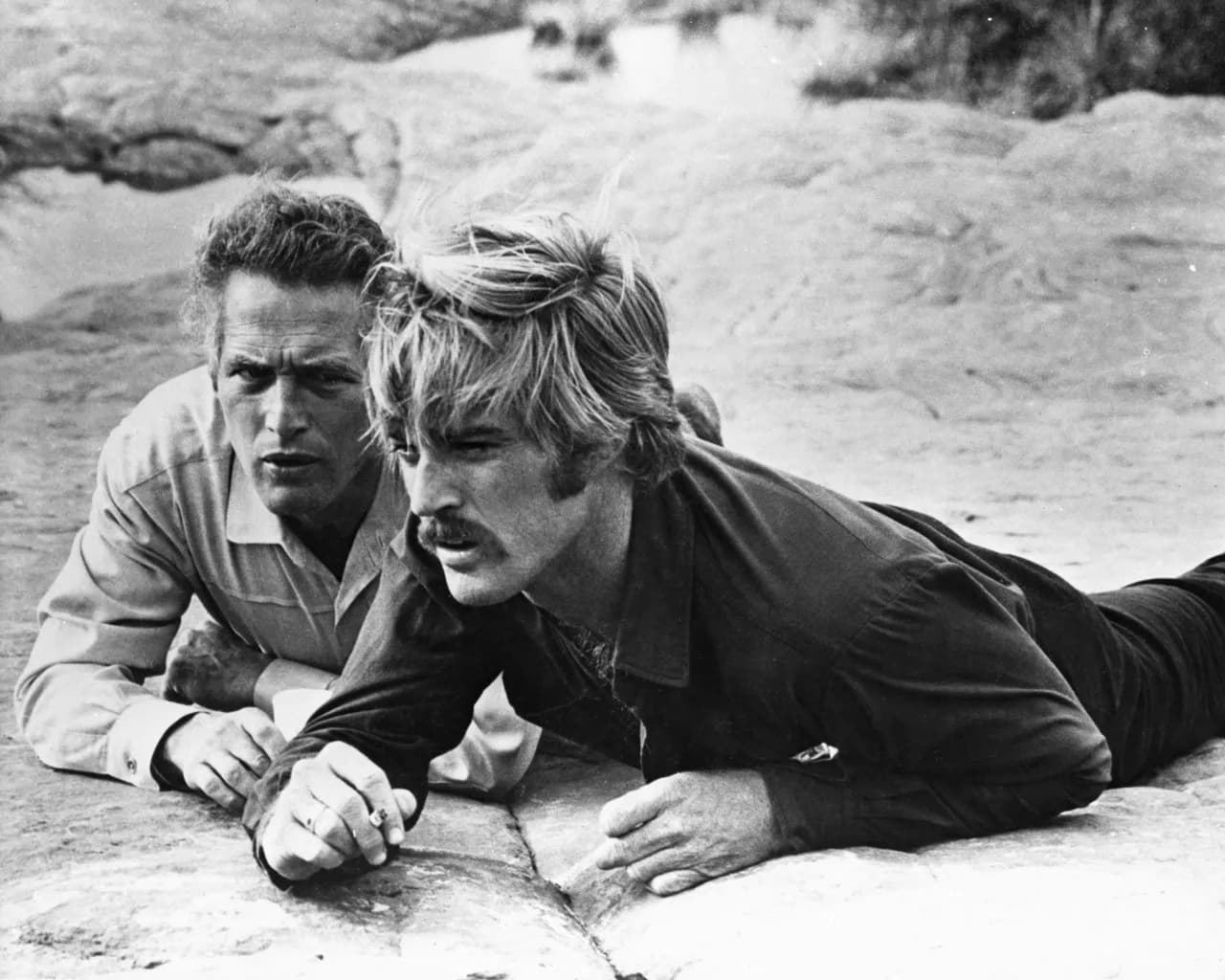
True Grit (1969) rounds out the top tier. John Wayne, Kim Darby, Glen Campbell, Robert Duvall, and Dennis Hopper star in this adaptation of Charles Portis’s novel. Directed by Henry Hathaway, it was filmed in Ridgway, Ouray, Owl Creek Pass, Last Dollar Road, and Blue Mesa Reservoir. The story follows a young woman seeking revenge for her father’s murder. The diverse landscapes of western Colorado serve the narrative well. It holds a 3.7/5 rating.
Each of these films uses the state’s geography to enhance its story. The mountains provide isolation. The plains provide openness. The cities provide complexity. Together, they show why Colorado continues to attract filmmakers.
The best movie filmed in Colorado depends on what you value. If you want epic scope, choose The Searchers. If you want character depth, choose Stagecoach. If you want modern tension, choose The Hateful Eight. If you want atmospheric beauty, choose Badlands.
But if forced to pick one, Stagecoach stands out. It defined the genre. It launched careers. It used the state’s landscape effectively. It remains relevant decades later. That is a rare combination.
The next time you drive through the Rockies, look closely. You might spot a location where a famous scene was shot. You might hear the director calling “action.”
That connection between the land and the art is powerful. It reminds us that stories are rooted in place. They belong to the soil, the rock, and the sky.
So, the next time someone asks you about the best movie filmed in Colorado, you have your answer. You have the evidence. You have the ratings. You have the history.
And you have the view from the window. The one that makes you believe the story is true.
Keep up with the Western Slope
The day's Western Slope news, one email each morning. Free.