Yampa District Tests Solar Device To Boost Snowpack
The Upper Yampa Water Conservancy District launches a $100,000 pilot using a ground-based solar device to boost snowpack across 200,000 acres amid record-low streamflows.
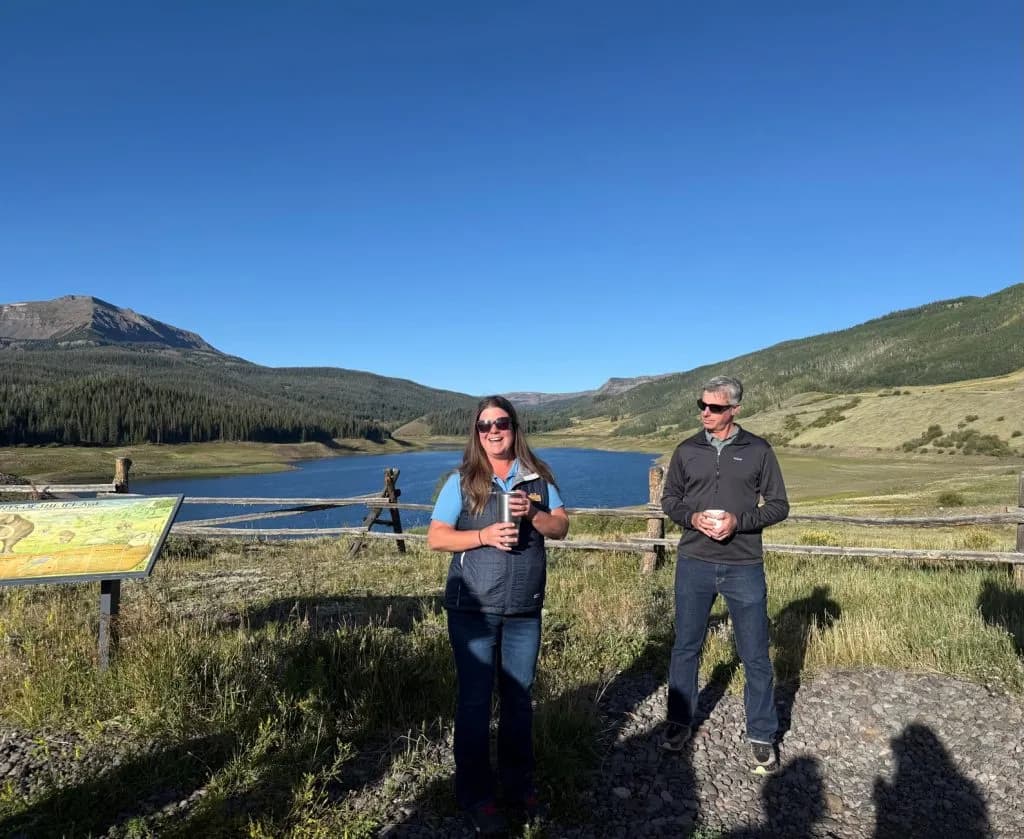
Aspen —The wind off the Flat Tops doesn’t just blow; it scours. In August, standing at the edge of Yamcolo Reservoir, Andy Rossi, the general manager of the Upper Yampa Water Conservancy District, looked out at the water and called the technology he’s about to deploy “brand new and experimental.” He wasn’t hedging. He was telling the truth.
This winter, a one-year pilot program begins testing a ground-based, solar-powered device made by Rain Enhancement Technologies. The goal is simple but ambitious: increase snowpack and rainfall across nearly 200,000 acres of the Yampa River headwaters. The program is funded by a $100,000 grant from the Colorado Water Conservation Board. Installation is targeted for November.
Why now? Because the math is getting ugly. This year, Colorado recorded its worst snowpack on record. Temperatures spiked. Streamflows hit historic lows. The northwest corner of the state didn’t just get dry; it got parched. Rossi pointed out that the highest elevations in the region are warming faster than anywhere else in the basin. That’s where the snow is disappearing first.
The Yampa River is a major player. It collects snowmelt from the high country, flows east to Stagecoach Reservoir, then makes a U-turn west into Dinosaur National Monument. There, it merges with the Green River. Together, the Yampa and White Rivers contribute 10% to 15% of the total flow at Lee Ferry, just downstream of Lake Powell. Without snow, that entire system stalls.
This isn’t the first time Colorado has tried to tweak the weather. The Vail Daily noted that this would be the state’s ninth permitted weather modification project. It joins cloud-seeding efforts at major ski resorts like Vail, Beaver Creek, Breckenridge, Keystone, and Winter Park. There’s also a project in the San Juan Mountains and another in Weld County. But those are mostly aerial operations. This is different. It’s a static, solar-powered unit sitting on the ground, aiming to “fuel” passing storm tracks.
Rossi framed the initiative as a necessary gamble. “As we move into drier and drier times, folks like us, we’ve got to keep trying new things,” he said. “We don’t know if it works yet, but we’re willing to give it a shot and do the research behind it and see if it’s worth continuing later out for a couple of decades.”
The skepticism is warranted. Weather modification has a history of overpromising and underdelivering. Critics argue that adding a few extra inches of snow in a massive drought is a drop in the bucket. Proponents counter that every inch counts when you’re managing a reservoir system that feeds millions. The pilot is designed to measure exactly that: how much additional precipitation can the device generate during specific storm events?
If it works, it could change how the region manages its water. If it fails, the district loses $100,000 and a year. But they’ll have data. And in a changing climate, data is currency.
Back at Yamcolo, the reservoir is calm. The sun is setting, casting long shadows across the water. The technology isn’t installed yet. It’s still in the permits and leasing phase. But the plan is set. The next storm front that rolls through the area might be the first test. Will it bring more snow? More rain? Or just the same old gray skies?
Rossi stood there, watching the water. He didn’t smile. He didn’t frown. He just watched. The wind picked up again, ruffling the surface of the reservoir. The clouds overhead began to thicken, darkening the horizon. It was just a cloud. But for the people managing the headwaters of the Yampa, it might be the most important cloud in the state.
Keep up with Aspen
The day's Western Slope news, one email each morning. Free.