YVHA Delays Slate Creek Annexation Vote to November 2027
The Yampa Valley Housing Authority pushes the Slate Creek land annexation ballot measure from November 2026 to 2027, prioritizing detailed planning over a rushed political timeline.
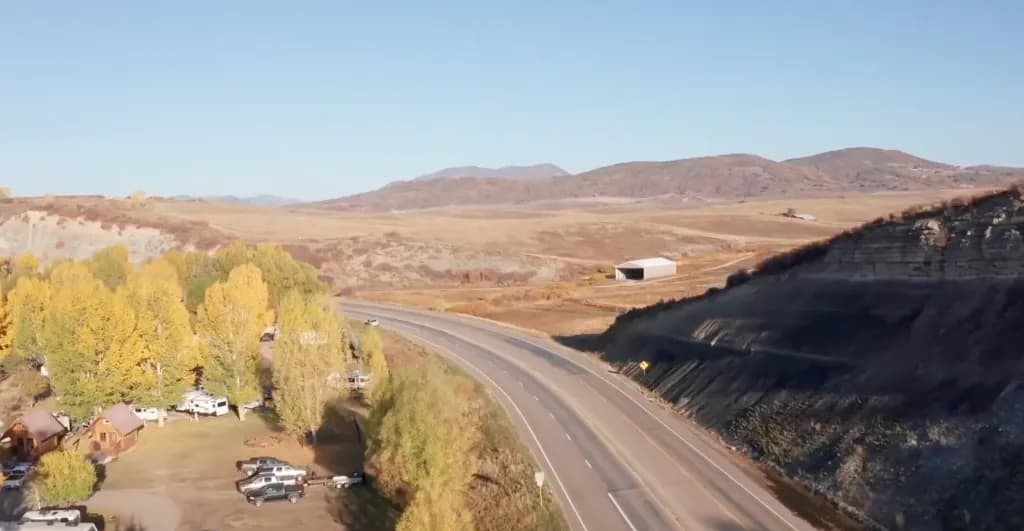
Steamboat Springs —Does the delay in annexing the Slate Creek land mean Steamboat Springs is slowing down the creation of affordable housing, or is it just buying time to get the details right? That’s the question hanging over the Yampa Valley Housing Authority (YVHA) after they announced Thursday they are stepping back from a fast-track November 2026 ballot measure, opting instead to stick with their original roadmap of putting the annexation question to voters in November 2027.
The decision wasn’t made in a vacuum. It came after an hour-and-a-half of debate during a special meeting, where board members weighed the pros and cons of rushing a vote against the slower, more deliberate pace of a public education campaign. The move formalizes a path that has been evolving since February, when the Slate Creek Steering Committee — a mix of city, county, and housing authority representatives — began laying the groundwork for what was once known as the Brown Ranch project.
If you look closely at the timeline, the urgency is real but the constraints are tighter than they first appeared. During the committee’s final meetings on June 17 and 18, two critical things happened. First, the YVHA was selected as the project manager, giving them the authority to bring on owner’s representatives and additional contractors to guide the annexation process. Second, the idea of an “accelerated annexation” surfaced only in the last hour of that second meeting, sparked when City Councilor Dave Barnes asked if the committee really needed to wait until 2027 to put the measure on the ballot.
Barnes saw a bottleneck. He told the Pilot that the committee has struggled to engage meaningfully with developers because they lack the city’s entitlements on the land. “You go through all this analysis, you go through all this brain damage, and you try to master-plan the unit mix and size and neighborhoods and scale and AMI levels, and we just keep getting nowhere,” Barnes said. He argued that passing a relatively small annexation, tied specifically to the limitations outlined in the West Steamboat constraints analysis presented in early June; could get the ball rolling.
That analysis painted a specific picture: drinking water capacity allows for 400 to 500 housing units to be constructed feasibly. But there’s a catch. The analysis noted that moving into those units before 2029 would be infeasible. So, while the YVHA originally proposed building 2,264 affordable and attainable units on 420 acres of donated land west of Steamboat Springs by 2042, the immediate reality is much smaller and slower.
By choosing the 2027 date, the housing authority is prioritizing a consensus-based model. The committee will make the ultimate decisions on the project plan using options presented by the YVHA, rather than forcing a quick political win. It’s a decision that acknowledges the complexity of turning a large swath of land into a functioning neighborhood, where every detail from unit size to water access matters.
The meeting room felt less like a high-stakes political arena and more like a workshop, with maps spread out and voices raised in discussion. Outside, the late summer heat still clung to the pavement, a reminder of the physical environment that will eventually host these homes. The annexation isn’t just a line on a map; it’s a commitment to a community that needs time to breathe, to plan, and to build.
Keep up with Steamboat Springs
The day's Western Slope news, one email each morning. Free.
Aspen Housing Authority Seeks $590K Office Upgrade Amid Cramped Conditions
Vail Secures Water Rights for 37-Unit Montelisse Condo Project
Moffat County Commissioners Weigh Data Center Moratorium Amid Transparency Claims

New Jersey Couple Tracks Lost Dog from Steamboat to Toponas

Poet kweisi hosts book signing at Steamboat's Off The Beaten Path