70 West Groups Urge Congress for $2 Billion Colorado River Drought Fix
A coalition of 70 Western groups, including Grand and Routt counties, is demanding $2 billion from Congress to fund near-term drought mitigation and prevent the Colorado River system from collapsing.
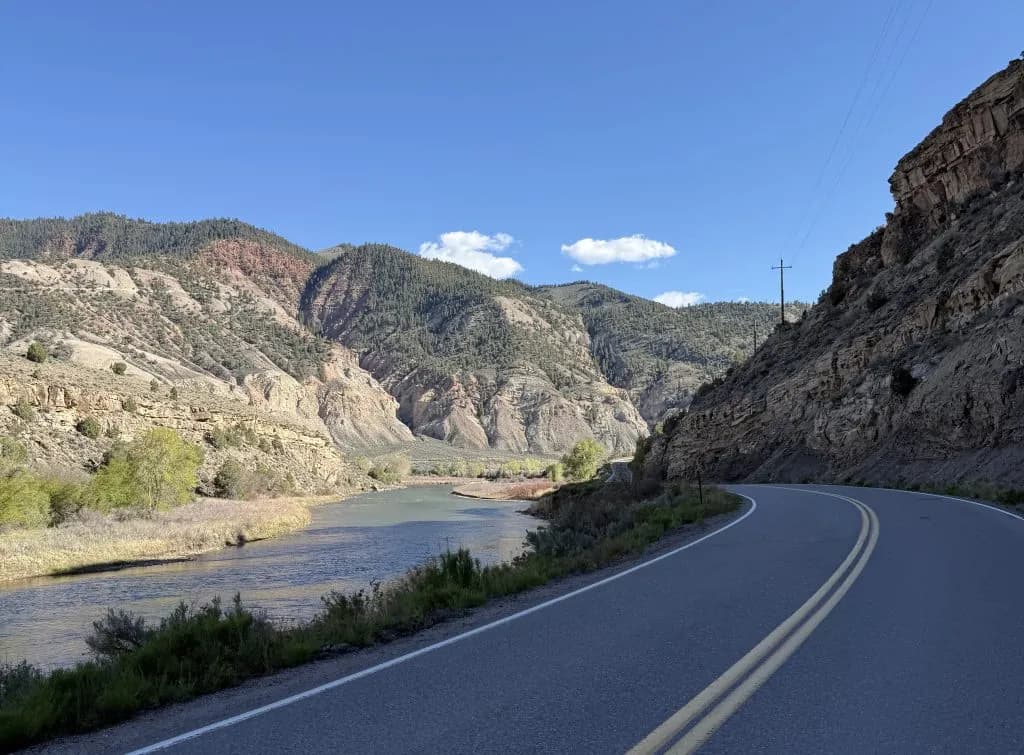
Glenwood Springs —The Colorado River is running on fumes. That’s the hard truth buried in a letter signed by 70 groups from across the West. They aren’t asking Congress for a study. They aren’t asking for a committee. They want $2 billion. Right now.
It’s a desperate bid to keep the tap flowing for 40 million people. The coalition argues that Water Year 2026 is shaping up to be one of the most brutal hydrologic years in over a century. Low snowpack. Low runoff. Reservoirs that are already depleted. The math doesn’t lie. The system is breaking.
The letter went out to the big hitters in Washington. Senators Mike Lee and Martin Heinrich. Representatives Bruce Westerman and Jared Huffman. These are the folks who control the purse strings for the U.S. Bureau of Reclamation. The request is simple: fund a near-term drought mitigation program that actually works. Not just patching holes until the next crisis hits. Building resilience.
The money would go toward conservation, efficiency, and "smart, targeted augmentation." That’s bureaucratic speak for fixing leaks and finding new water sources. The goal is to stop the basin from living in a perpetual state of emergency. The letter warns that without this "bridge" of funding, the West remains trapped in a cycle of reactive, emergency-driven operations. Those are costly. They are disruptive. They fail.
Locals need to pay attention. This isn’t just about farmers in the Imperial Valley or tourists in Lake Powell. It’s about your water bill. It’s about the reliability of the grid. It’s about whether the water keeps flowing to Grand and Routt counties, where the river starts its 1,450-mile journey to the Gulf of California.
Nearly 20 Colorado entities signed on. The Colorado River Water Conservation District. Grand and Routt counties. The Northwest Colorado Council of Governments. Denver Water. The Southern Ute Indian Tribe. The Ute Water Conservancy District. The Grand Valley Water Users Association. These are the people who feel the squeeze every time the snowpack comes up short.
The letter notes that the Upper Basin states — Colorado, New Mexico, Utah, and Wyoming — rely heavily on this flow. The stress is visible. The decisions are getting harder. The coalition writes that "difficult decisions around water supplies will be needed to address the severe shortages and operational risks that threaten the basin and the stability of the entire system."
Think about that. "Stability of the entire system." That’s a threat. It’s not a promise. It’s a warning.
The $2 billion figure is specific. It’s not a round number thrown out for press clippings. It’s calculated to "sustain and scale" existing investments. The current funding isn’t enough to fix the structural problems. It’s like putting a bandage on a bullet wound. The coalition wants a tourniquet.
They want resources and authorities that last beyond September 2026. That’s a crucial detail. Most drought plans are seasonal. They expire. They fade. This request asks for a multi-year commitment. It asks for a shift from crisis management to long-term planning.
The letter argues that without this investment, the basin risks remaining in a "repeated cycle of reactive, emergency-driven operations." Those operations are "more disruptive, less effective and more costly." It’s a self-fulfilling prophecy of failure if Congress sits on its hands.
The river flows from its headwaters in Grand County down to Mexico. It supports two counties and 30 tribal nations. It feeds seven states. The pressure is mounting. The snowpack is low. The runoff is lower.
The coalition is betting that $2 billion is cheaper than the alternative. The alternative is chaos. The alternative is communities waking up to dry taps. The alternative is economies stalling. The alternative is a system that collapses under its own weight.
It’s a bold ask. It’s a necessary one. The question isn’t whether the money is available. It’s whether Congress will write the check before the well runs dry.
Read that again. The clock is ticking. Water Year 2026 is unfolding. The decisions are being made. And the Western Slope is watching.
Keep up with Glenwood Springs
The day's Western Slope news, one email each morning. Free.
Twin Lakes Releases 2,500 Acre-Feet to Save Upper Arkansas River
Glenwood Springs Resident Calls for Active Citizenship Amid AI Data Center Water Threats