Aspen Slams Brakes on Outdoor Water Use With Stage 3 Restrictions
Aspen's City Council voted 4-1 to implement Stage 3 water restrictions, banning outdoor fountains and limiting residential watering days to cut demand by 15% to 25% through higher rates for heavy users.
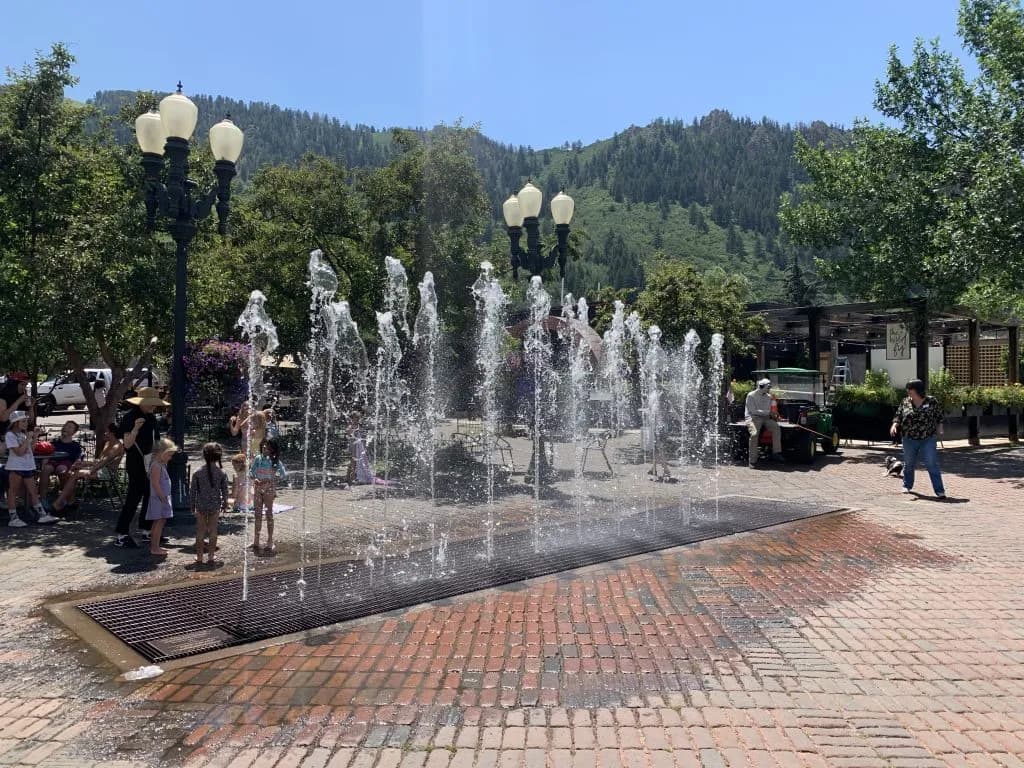
Aspen —Aspen’s Kai Davis Fountain is dry. The Dancing Fountain is dry. The golf course is getting a haircut, not a drink.
That’s the reality of Stage 3.
The City Council voted 4-1 Tuesday to slam the brakes on outdoor water use. They moved the city from Stage 2 — which had been in place since September — to the most severe tier of restriction. The decision wasn’t a surprise. It was a necessity. One of the hottest, driest winters on record left the Roaring Fork Valley parched. Now, locals are bracing for a summer of fines, strict schedules, and a lot less green.
The rules are specific. They are rigid. Even addresses water on Tuesday and Friday. Odd addresses get Wednesday and Saturday. Mondays, Thursdays, and Sundays? Nothing. No watering at all between 8 a.m. and 6 p.m. Residential pools and hot tubs can’t be filled with city water. You can’t wash your car. You can’t hose down your driveway, patio, or tennis court.
The goal is simple: cut water demand by 15% to 25%.
To make that happen, the city is hitting the wallets of heavy users. Customers in Tier III will see a 50% rate hike. Tier IV users, the top 15% of active customers who drive nearly 40% of total consumption; will pay 125% more. Council Member John Doyle called it one of the only tools available to discourage "egregious water use."
It’s a blunt instrument. But blunt instruments work when the bone is broken.
Council Member Bill Guth voted no. He didn’t dispute the shortage. He disputed the method. Guth argued that higher bills don’t change behavior; higher fines do. He wants enforcement, not a revenue grab.
"In Aspen, I’d much rather you have a higher fine for people who aren’t following the current rules," Guth said. "I don’t think a higher bill is going to do it, and it doesn’t feel fair and right to me because our goal is behavior change and conserving water, not collecting more revenue."
Guth has a point. The city has relied on a carrot approach for years. Education. Outreach. Soft warnings. Staff says they are ramping up enforcement this year. Escalating penalties for repeat offenders are coming. But for now, the stick is the bill.
The city’s own water use will drop, too. Athletic fields, public parks, and the golf course will be watered with "extreme care and efficiency." The reduction goal for city facilities matches the goal set for customers. It’s a unified front.
Aspen’s water situation is precarious. Storage is low. The municipal supply depends almost entirely on snowmelt in Castle Creek. The city has an agreement with the Colorado Water Conservation Board to leave enough water in the creek for the minimum instream flow water right of 12 cubic feet per second. That’s non-negotiable. If the creek runs dry, the fish die. If the fish die, the ecosystem collapses.
Stage 3 is the emergency brake. It’s not a long-term solution. It’s a stopgap for a valley that is running out of time.
Read that again. The highest users are paying more. The fountains are off. The grass is brown. And the council is betting that pain will lead to conservation.
Guth’s dissent is worth watching. If the fines don’t bite and the bills don’t sting, Stage 4 is next. Or Stage 5. Or a complete shutdown of outdoor use until the snowpack returns.
The short version: Aspen is thirsty. The taps are turning. And the bill is coming due.
Keep up with Aspen
The day's Western Slope news, one email each morning. Free.