Pitkin and Eagle Counties Split Three Meadows Ranch Costs
Pitkin and Eagle counties finalize a funding mechanism for the 4,251-acre Three Meadows Ranch, establishing a 50/50 split for maintenance and fencing repairs to protect wildlife corridors.

Gunnison —“Without this intervention, the landscape faced certain fragmentation that would have permanently altered the region’s character and severed vital wildlife movement between public and private lands.”
That’s Marcia Gilles, Eagle County’s director of Open Space and Natural Resources, explaining why Pitkin and Eagle counties are now stuck in a financial marriage for a 4,251-acre chunk of land in Missouri Heights. The deal was struck in 2025. The funding mechanism was approved on Wednesday. And now, locals are on the hook for the upkeep of a property that sits just across the county line, accessible only via the winding, often icy climb of Cottonwood Pass.
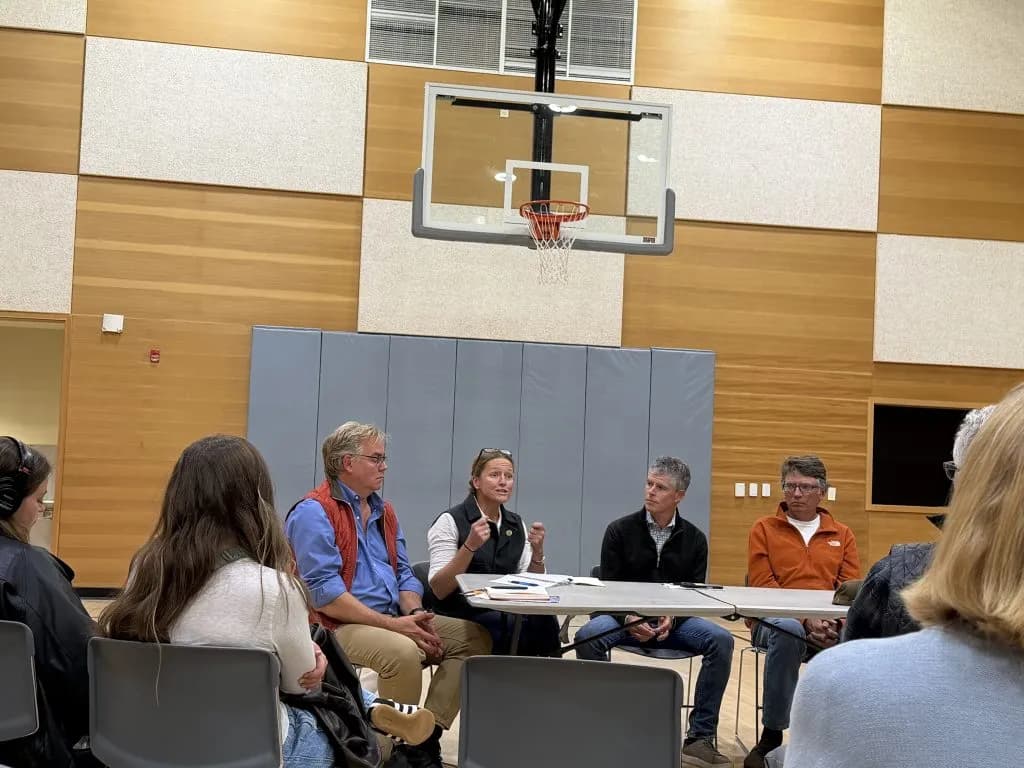
The core of the new agreement is a Memorandum of Understanding (MOU) between Pitkin and Eagle counties. It’s not a request for new money. It’s a rulebook for how the two governments split the bill for managing Three Meadows Ranch. Gary Tennenbaum, Pitkin County’s Open Space and Trails director, called it “just a funding mechanism.” He’s right. It’s an intergovernmental agreement designed so that if Pitkin County pays a contractor to fix a fence, Eagle County writes Pitkin a check for half the cost. Or vice versa.
It sounds simple on paper. In practice, it means every time a fence post goes up or a weed whacker spins, there’s paperwork.
The ranch itself is a haven for elk. That’s the selling point. But the maintenance reality is less romantic. Tennenbaum noted that the property is actually in “really good shape overall,” which is a relief given the initial fears. “It’s not as expensive as we thought,” he said. That’s the good news. The bad news is that the fences are in “really poor shape.”
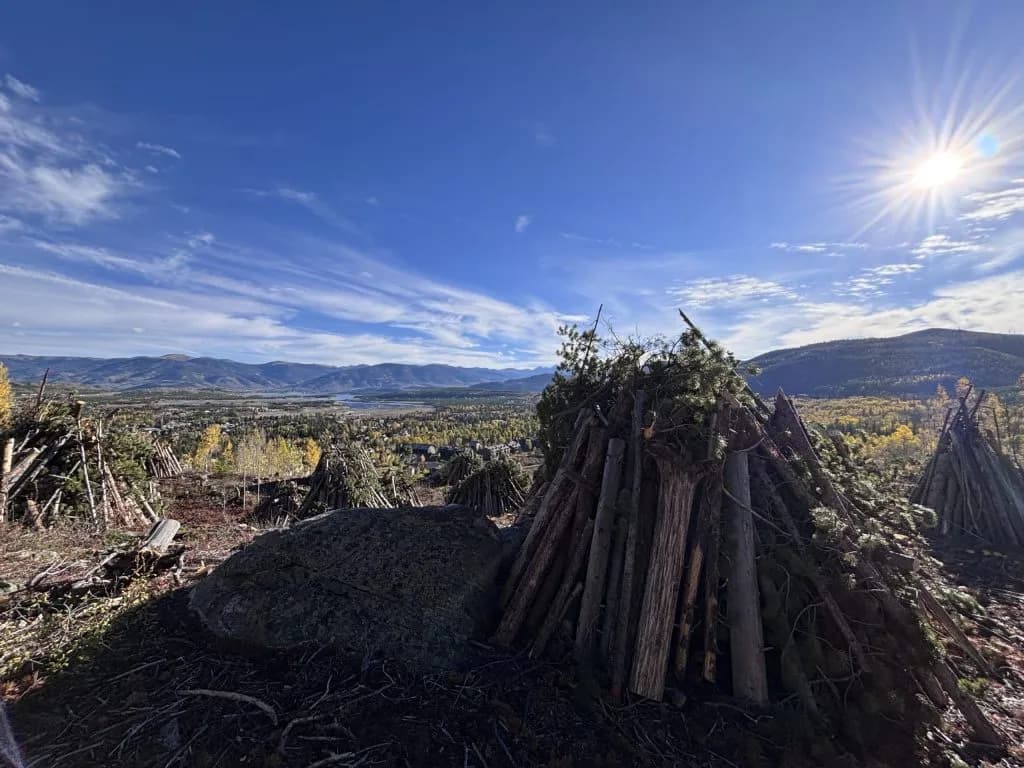
Fencing is the immediate cash drain. The goal is to keep the neighboring cows out and the ranch’s own cows in, assuming they ever get their own herd. If the fences fail, the ecological integrity of the 4,251 acres starts to bleed. Weeds need management, too, but Tennenbaum said there’s no glaring crisis there yet. The 2026 projects are already baked into the Open Space and Trails budget, so taxpayers aren’t facing a surprise levy next year. They’re just funding the status quo.
But let’s look at the scale. We’re talking about over four thousand acres. That’s a lot of fence line. That’s a lot of mowing. That’s a lot of administrative overhead for two counties to coordinate. Poschman asked the obvious question: what’s the annual cost of owning this thing? Tennenbaum didn’t give a number. He said it will take time to figure out.
That’s a classic bureaucratic deflection. They know the acquisition cost. They know the land value. They just don’t want to commit to a long-term operating budget until the final management plan is done. Until then, Eagle County is driving the near-term decisions, and Pitkin is paying its share.
For folks in Aspen and the valley, the impact is subtle but persistent. Your property taxes fund the Open Space and Trails budget. That budget now includes a line item for a property in Eagle County. It’s a shared asset, sure. But it’s also a shared liability. If the fencing work drags on, or if the “really poor shape” of the infrastructure requires more than just patching, the costs rise. And when costs rise, the split remains 50/50.
The MOU doesn’t solve the management plan. It just pays for the time it takes to write one. Until that plan is complete, the counties are co-managing a massive tract of land with a simple accounting trick. It’s efficient. It’s practical. And it keeps the cows out. For now.
Keep up with Gunnison
The day's Western Slope news, one email each morning. Free.