800,000 Colorado Voters Receive Wrong Ballot for Rail Tax
800,000 voters in four Colorado counties received ballots for a rail tax they are not eligible to vote on after the Front Range Passenger Rail District failed to notify clerks of boundary changes.
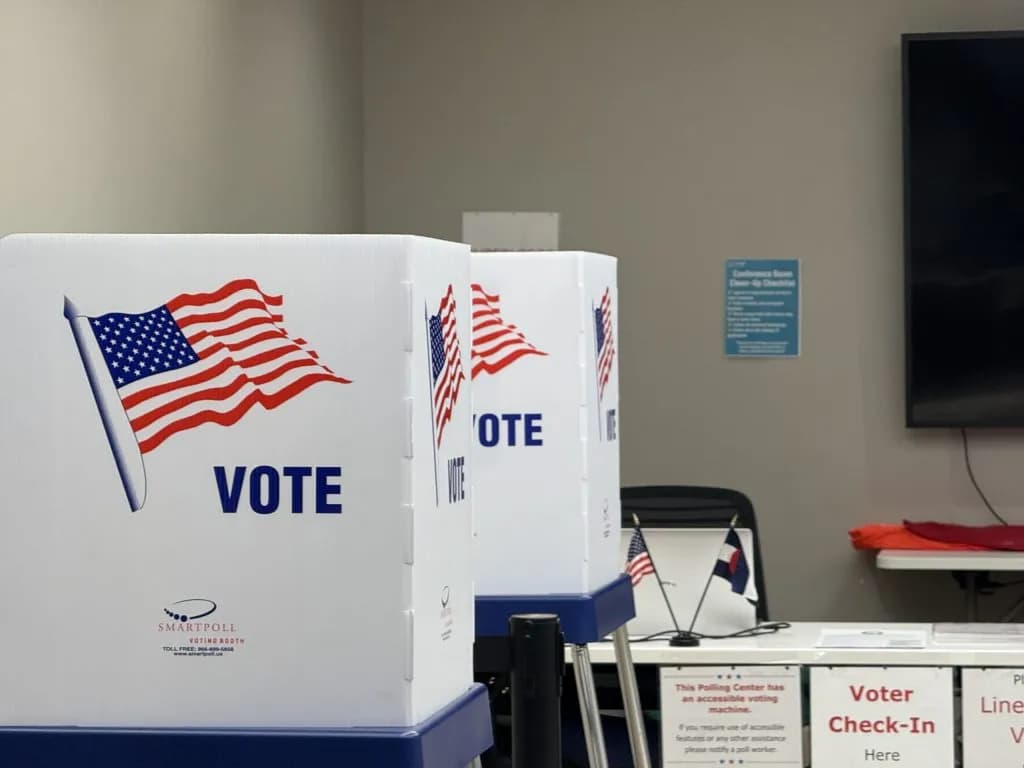
Eight hundred thousand. That is the number of voters in Adams, Arapahoe, Douglas, and Weld counties who received a ballot question they are not legally allowed to vote on.
The obvious take is that this is a clerical error, a simple mix-up by county offices. It isn’t. The Front Range Passenger Rail District failed to properly notify clerks after state lawmakers redrew the district’s boundaries earlier this year. The result: a massive administrative headache on the eve of an election that will determine whether Colorado pays for expanded passenger train service along the Front Range.
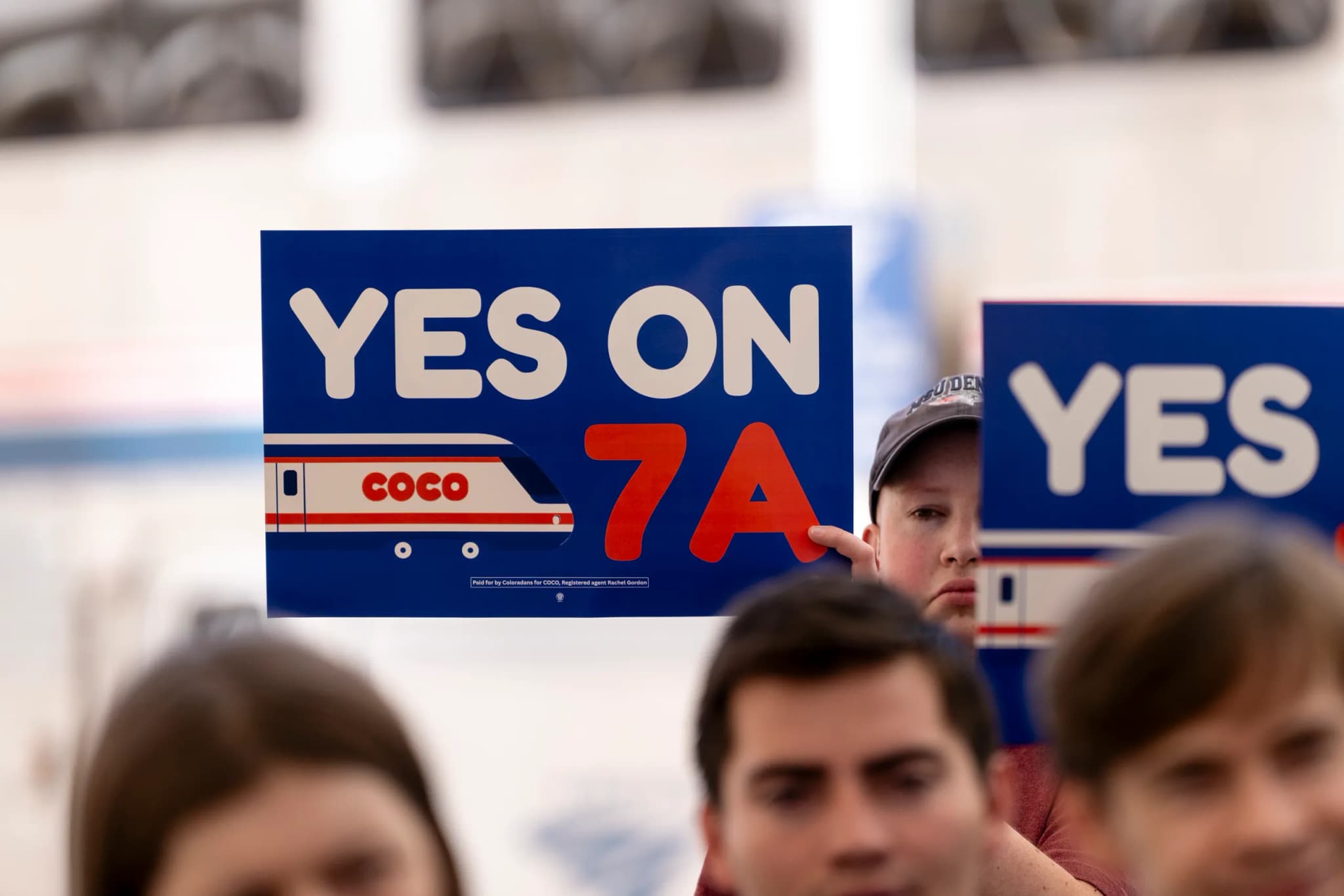
The Colorado Sun reported that a lawyer for the district sent a letter to county clerks on Wednesday confirming the glitch. The Daily Sentinel’s 9News broke the story first, noting that these voters are seeing Ballot Issue 7A in error. The issue proposes a tax increase to fund the "Colorado Connector," a proposed daily regional passenger rail service linking communities along the Front Range.
Let’s do the math on who is actually in the game. Lawmakers trimmed out many parts of the district, leaving only residents in specific portions of those four counties eligible to vote on the tax hike. Everyone else? They got a ballot for a decision that doesn’t apply to their property taxes or local infrastructure.
Arapahoe County Clerk and Recorder Joan Lopez said about 262,000 voters in her county received the question who shouldn’t have. She told residents they "do not need to take any steps other than voting their ballot as they normally would."
That instruction is doing a lot of heavy lifting. It implies a sorting process will happen behind the scenes, but no one has explained how. The Colorado Department of State and the Colorado County Clerks Association issued a joint statement saying they are "in close communication" and working on guidance for the counties. They promised that only eligible votes will be counted. They did not say how they will separate the wheat from the chaff, nor did they confirm if this will delay final results on Nov. 3.
Sal Pace, general manager of the Front Range Passenger Rail District, owned up to the oversight in a statement. "When the legislature updated the District’s boundaries this spring, we should have walked every county clerk through the change," Pace said. "Although we weren’t legally obligated to do so, it would have helped avoid the confusion that followed."
On paper, that’s a concession. In practice, it leaves roughly 538,000 other voters in Adams, Douglas, and Weld counties with a question mark over their ballots. Those clerks’ offices did not immediately respond to requests for comment, leaving a gap in the public record about how their specific jurisdictions plan to handle the sorting.
This isn’t just a bureaucratic hiccup; it’s a test of whether the state can administer a complex, boundary-specific tax vote without turning into a sorting algorithm. The ballot question will determine the future of passenger rail service in Colorado, with limited service between Denver and Fort Collins already planned to start.
For the 800,000 folks holding a ballot for a district they don’t live in, the practical impact is uncertainty. You vote your ballot as instructed. Then you wait to see if your mark actually counts toward the final tally, or if it gets tossed into a digital bin for later review. The Department of State says ballot processing may begin on October 19. Until then, the only thing certain is that a significant chunk of the Front Range’s electorate voted on a question they weren’t supposed to see.
Keep up with the Western Slope
The day's Western Slope news, one email each morning. Free.