ACES Raptor Fair Returns to Hallam Lake With Resident Birds
ACES Raptor Fair returns to Hallam Lake on July 3; visiting birds are evacuated due to wildfire, so resident Red-tailed Hawks, Golden Eagles, and Great Horned Owls take the stage for free public demonstrations.
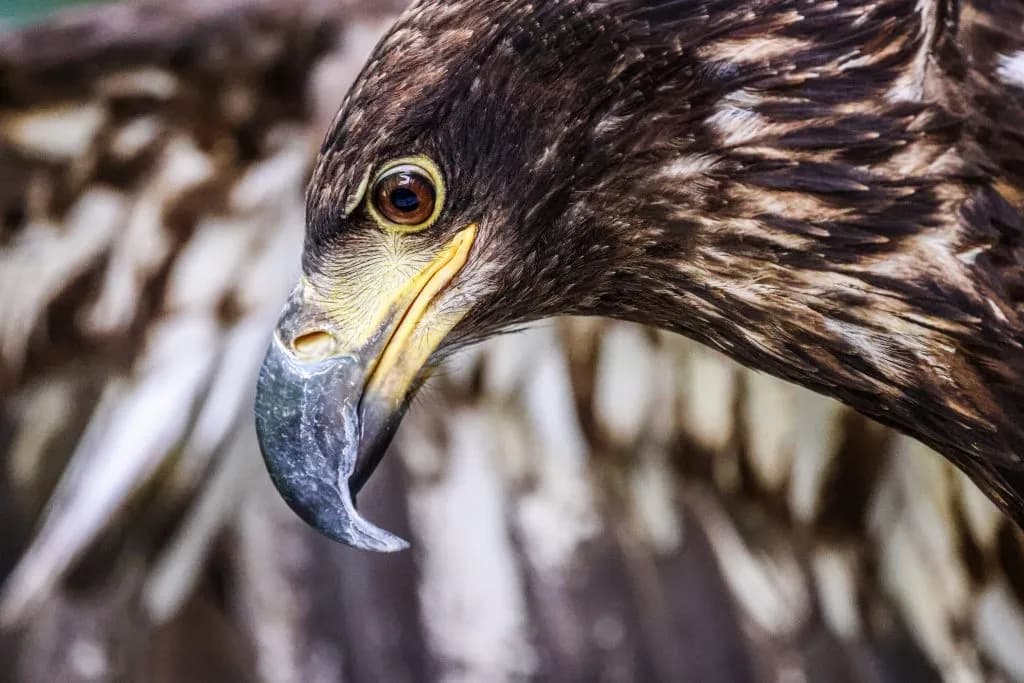
Aspen —Have you ever stood in the high, thin air of Hallam Lake and wondered if the shadow passing overhead was just another hawk, or something with a name, a history, and a place in your own backyard?
It’s a question that hangs in the July heat, especially when the wind picks up and the aspen leaves turn their silver bellies skyward. For over a decade, the Aspen Center for Environmental Studies (ACES) has been answering that question, not with a textbook, but with feathers, flight, and the quiet intimacy of a fairground. This Friday, July 3, the Raptor Fair returns to Hallam Lake, running from 3 to 5 p.m., with the main event — a presentation and flight demonstration — scheduled for 4 p.m. It’s free, it’s open to the public, and thanks to Clark’s Market sponsoring the entire affair, it’s accessible to neighbors who might otherwise hesitate at the price of admission.
But there’s a catch this year, a rough edge in the smooth narrative of nature’s theater. The visiting birds of prey, those majestic guests from the wild who usually grace the stage, will no longer be able to attend. They’ve been evacuated due to a wildfire. It’s a stark reminder that the "neighbors" we come to admire are also subject to the same volatile forces that shape our own lives here on the Slope. You can feel the absence in the planning, a shift from spectacle to substance.
So, who fills the void? The stage belongs to ACES’ own resident raptors: a Red-tailed Hawk, a Golden Eagle, and a Great Horned Owl. These aren’t temporary residents checking into a hotel; they are permanent fixtures of the program, injured or unable to return to the wild, living out their days in the care of the center. O’Leary, whose voice carries the weight of years spent watching these birds, notes that the fair is meant to foster a connection with nature, that specific sense of awe you get when you meet these creatures up close and personal.
“You rarely come into contact with a Turkey Vulture, but they live in the same state as us,” O’Leary said. “They’re all here, they’re all our neighbors.”
It’s a simple statement, but it challenges the way we view the valley. We think of bears and moose as the charismatic megafauna, the icons of the Rockies. We know them by their tracks, their roar, their silhouette against the sunset. But raptors? They’re often just a blur of motion, a distant speck. O’Leary points out that there’s a lack of knowledge about them compared to the larger mammals. We don’t always understand why an Osprey is specialized for catching fish while a Bald Eagle might not be, or how each species fits into the intricate web of the local ecosystem.
The fair aims to bridge that gap. It’s not just about looking up; it’s about looking closer. There will be hands-on experiences across the preserve, from owl pellet dissections that reveal the hidden meals of the night to family-friendly scavenger hunts that keep kids engaged while teaching them to read the landscape. It’s a way of deepening appreciation for the natural world so that we become responsible caretakers of it.
“There’s something for everyone there; people come back regularly to see our birds of prey,” O’Leary said. “I love seeing some of our adult guests who come to this event, people who are so psyched about raptors.”
You can feel it in the way people gather, the way they lean in when the Great Horned Owl turns its head, the way the light catches the feathers of the Golden Eagle as it prepares to fly. It’s a reminder that we are not separate from this place, but part of it. The wildfire evacuation of the visiting birds is a harsh update, a sudden change in the script, but it doesn’t diminish the value of what remains. The residents are still here. The education is still happening. The connection is still possible.
Registration is required, and you can find the link on the ACES website, but the real invitation is in the air itself. It’s in the rustle of the grass, the distant call of a bird you can’t yet name, and the quiet understanding that by learning about them, we learn about ourselves. As the sun begins to dip behind the mountains on Friday afternoon, casting long shadows across the lake, you’ll be standing there, looking up, and for a moment, the distance between you and the wild will feel very small.
Keep up with Aspen
The day's Western Slope news, one email each morning. Free.
The digital counter on the side of the bus in Carbondale ticks over, but the seats inside are half-empty

Eagle County Launches Aging Well Roadmap To Keep Seniors Housed