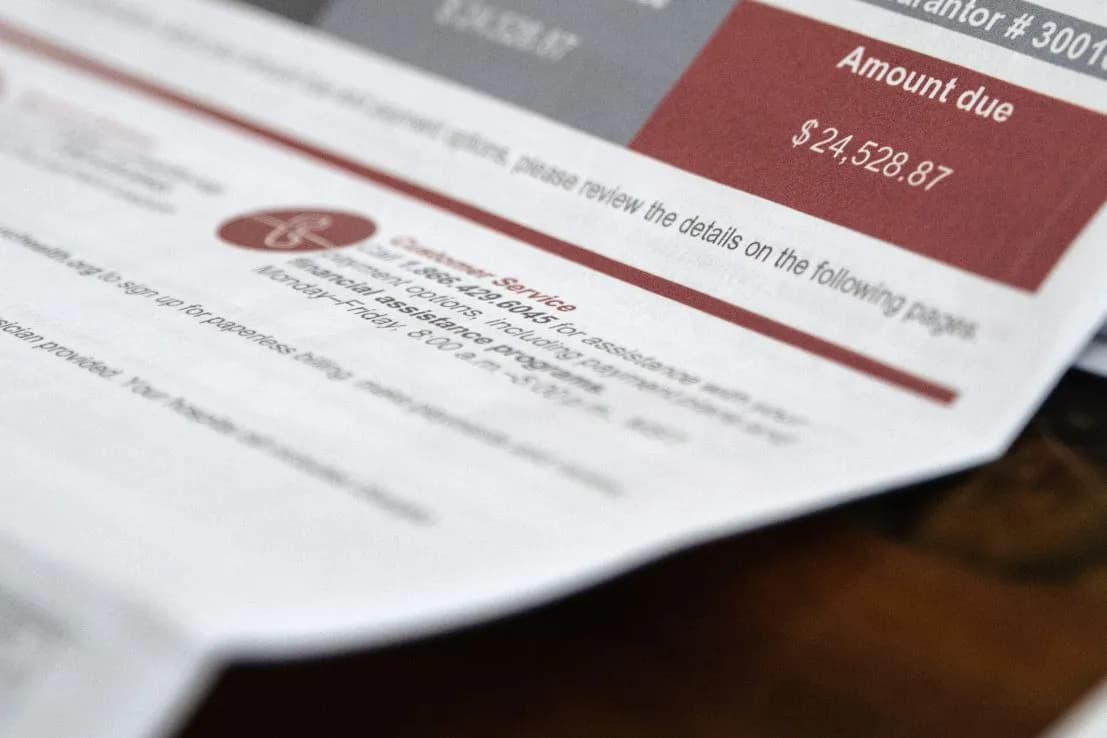
Sukkah Project Owner Receives Tariff Refund Amid Federal Chaos
Grand Junction's Sukkah Project owner Abram Herman receives unexpected federal tariff refunds after a chaotic process with no prior communication, highlighting the broader struggle of small businesses recovering from IEEPA import taxes.
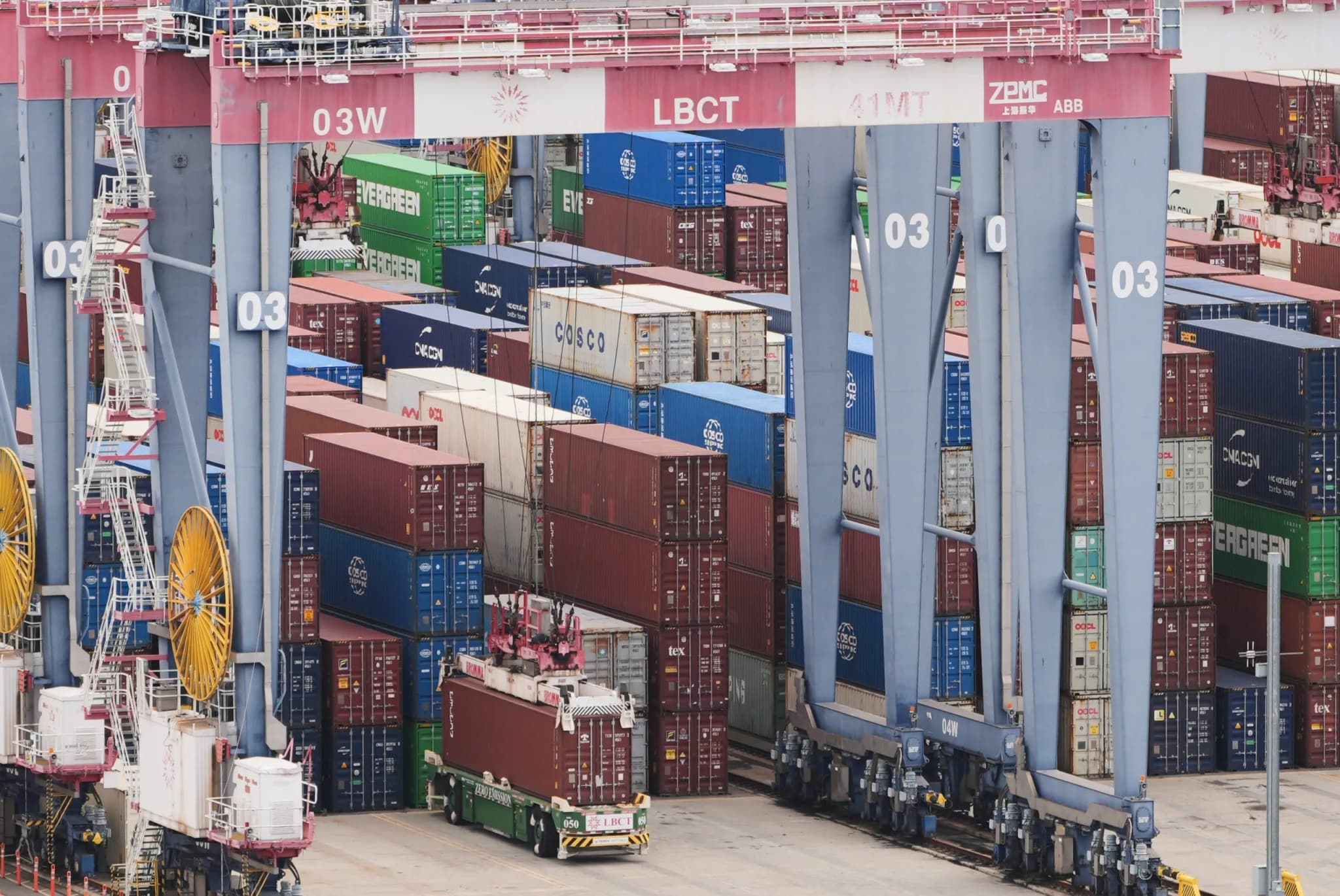
Colorado —The U.S. Supreme Court ruled tariffs unlawful. The federal government owes $166 billion in refunds. For Abram Herman, owner of Sukkah Project in Grand Junction, the money hit his bank account Friday.
It wasn’t a clean break. A partial refund arrived in mid-May for 30% of the “tens of thousands” of dollars the company paid last year. The remaining 70% — plus interest — landed in the account just days ago. Herman got no warning.
“When we got the 30%, I was kind of wondering does that mean this is all or is this a timing thing? There was no communication,” Herman said.
The chaos began last year when President Donald Trump activated the International Emergency Economic Powers Act, or IEEPA. The administration touted the move as a way to slash the U.S. trade deficit. Instead, it triggered a tariff shock. Import fees jumped from zero to double and triple digits within days.
Herman’s company makes “klutz-proof” tent-like structures for the Jewish holiday Sukkot. Before the IEEPA spike, there were no tariffs on products of a religious nature. Suddenly, the cost of materials imported from China skyrocketed.
The unpredictability hurt more than the price tag. Herman recalled a period when rates swung from 60% to 150% overnight. He held off shipping his one outstanding order. He had a hunch the “mercurial trade policy” wouldn’t last. He was right.
Sukkah Project stayed afloat by negotiating better pricing on products. But those savings didn’t go straight to the bottom line. They went toward minimizing customer price hikes. Herman absorbed the volatility so his neighbors didn’t have to.
The refund process started in mid-April, just two months after the high court ruled the president couldn’t impose import taxes willy-nilly. The court reiterated that only Congress could do it. The federal system went live. Herman had his documents ready.
But Herman isn’t the only one feeling the pinch. A recent survey by We Pay the Tariffs, a coalition of small businesses, paints a grim picture of the aftermath. Nearly one-third of respondents laid off workers. One-quarter cut hours, wages, or benefits. More than half delayed or canceled expansion plans.
Small businesses became pawns in a global trade war. Longtime partners fought back with their own higher tariffs. The result was a scramble to raise cash for taxes that hit before many companies even knew the rules had changed.
The $166 billion refund covers companies that paid the IEEPA tax on goods from all over the world. But the refund is not the same as the recovery. The cash flow disruption lasted months. The uncertainty lasted years.
Herman’s story is specific to Grand Junction. The impact is statewide. Delta County spends a fraction of what Sukkah Project paid in tariffs. The refund is a relief. It’s not a guarantee of stability.
The short version: The money is coming. The system is broken. The communication was nonexistent. Herman got his check. The rest of the Western Slope import community is still waiting for the rest of their share.
Read that again. No communication. Just a deposit.
The federal government ordered the refunds. It didn’t send a memo. It didn’t send a timeline. It sent a wire transfer.
For small businesses, that’s the new normal. You wait. You hope. You get paid.
Keep up with Colorado
The day's Western Slope news, one email each morning. Free.
Federal Report Sets 200,000 Acre-Foot Water Conservation Target for Upper Basin
Colorado Parks and Wildlife Deploys Precision Drones for Weed Control