Apple Executive Argues Aspen Should Prioritize Community Over Luxury Retail
Former Apple executive Bob Bridger argues Aspen’s shift to luxury retail risks eroding personal community connections, urging locals to prioritize human interaction over commercial aesthetics.
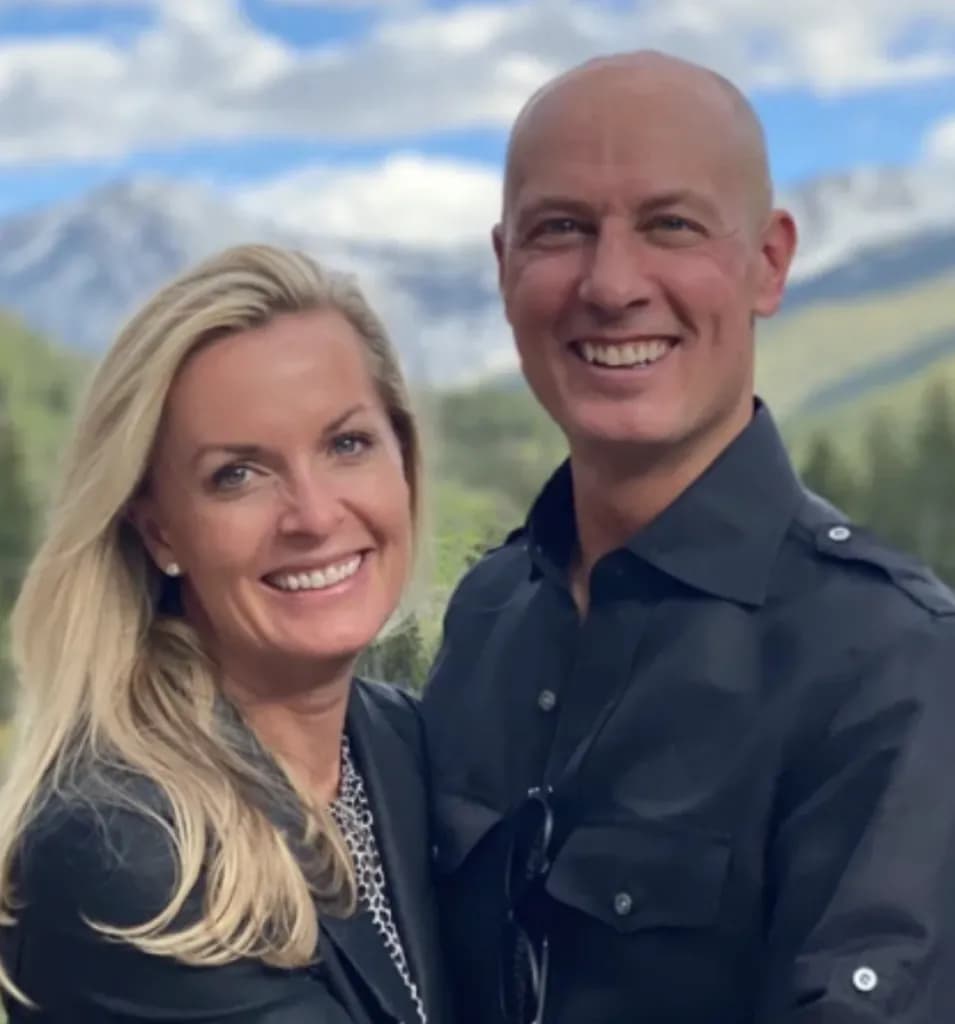
Aspen —The glass cube on Fifth Avenue is a monument to perfection. It’s 40 feet tall, made of structural glass and steel, and it sits in the middle of Manhattan’s most chaotic intersection. For Bob Bridger, who spent 13 years as Apple’s vice president of real estate helping shape hundreds of stores like that one, the cube represented a specific kind of triumph. It was about control. It was about creating an environment where every variable, from the lighting to the layout, served a single, global brand.
But here in Aspen, the cube doesn’t exist. And that’s the point.
Bridger arrived in town in 2014, driven over from Vail by a friend’s recommendation. He remembers the moment he saw Mount Sopris and realized, “Wow, okay, this is a different place.” He moved his family here in 2015 with the intention of staying for a year. It’s been much longer than that. In this two-part series, Bryan Welker sat down with Bridger to reflect on his time at Apple and what he learned about the true value of community.
The obvious take is that a tech executive’s perspective on retail is irrelevant to the local economy. That Aspen’s current shift toward luxury brands is simply market forces at work. But Bridger challenges that view. He argues that the algorithm of success — the one Apple perfected — is not the only metric that matters, and it’s certainly not the best one for a town like this.
“Every time someone comes into your place of business, they should leave feeling that something improved for them and that they want to return,” Bridger told Welker. He notes that sometimes, this improvement is incredibly simple: a gracious greeting and a friendly conversation.
This stands in stark contrast to the corporate model Bridger helped build. At Apple, they could create a beautiful setting, but the people serving the brand were ultimately the most important part of the experience. The tricky thing in Aspen, Bridger observes, is that visitors come from all over the world with specific expectations. They seem to like local businesses, but they also crave the Madison Avenue and Fifth Avenue storefronts.
Locals may not shop at all those high-end stores, but visitors who bring vibrancy and revenue to the community appreciate the combination. However, Bridger points out a growing imbalance that concerns him. The small local restaurants people cherished are being replaced by higher-end establishments that do not necessarily know your name.
This is the part everyone skips past when discussing Aspen’s economic transformation: the erosion of personal connection. We talk about property values and tax revenue, but we rarely talk about whether a shop owner remembers your dog’s name.
Bridger acknowledges the tension between preserving Aspen’s character and recognizing that property owners have their own financial interests. He suggests that landlords, tenants, and the community all have to embrace the idea of cherishing what exists while remaining open to something new that reflects the community.
It’s a subtle shift in perspective, but it matters because it moves the conversation away from what a building looks like and toward how a person feels inside it. In a city where the skyline is defined by peaks rather than skyscrapers, the measure of success isn’t how many people walk past a glass facade. It’s whether they feel seen when they walk through the door.
Bridger stands in his neighborhood, looking out at the town that kept him longer than he planned. The mountains are still there. The glass cube is a thousand miles away. And the question isn’t whether Aspen can afford its own version of Fifth Avenue, but whether it’s willing to let the people inside those spaces remain human.
Keep up with Aspen
The day's Western Slope news, one email each morning. Free.