Aspen Bear Incidents Triple as Drought Drives Hungry Wildlife into Town
Aspen reports 311 bear incidents this year, tripling over three years, as drought and wildfires force hungry bears into town seeking food sources like coolers and dumpsters.
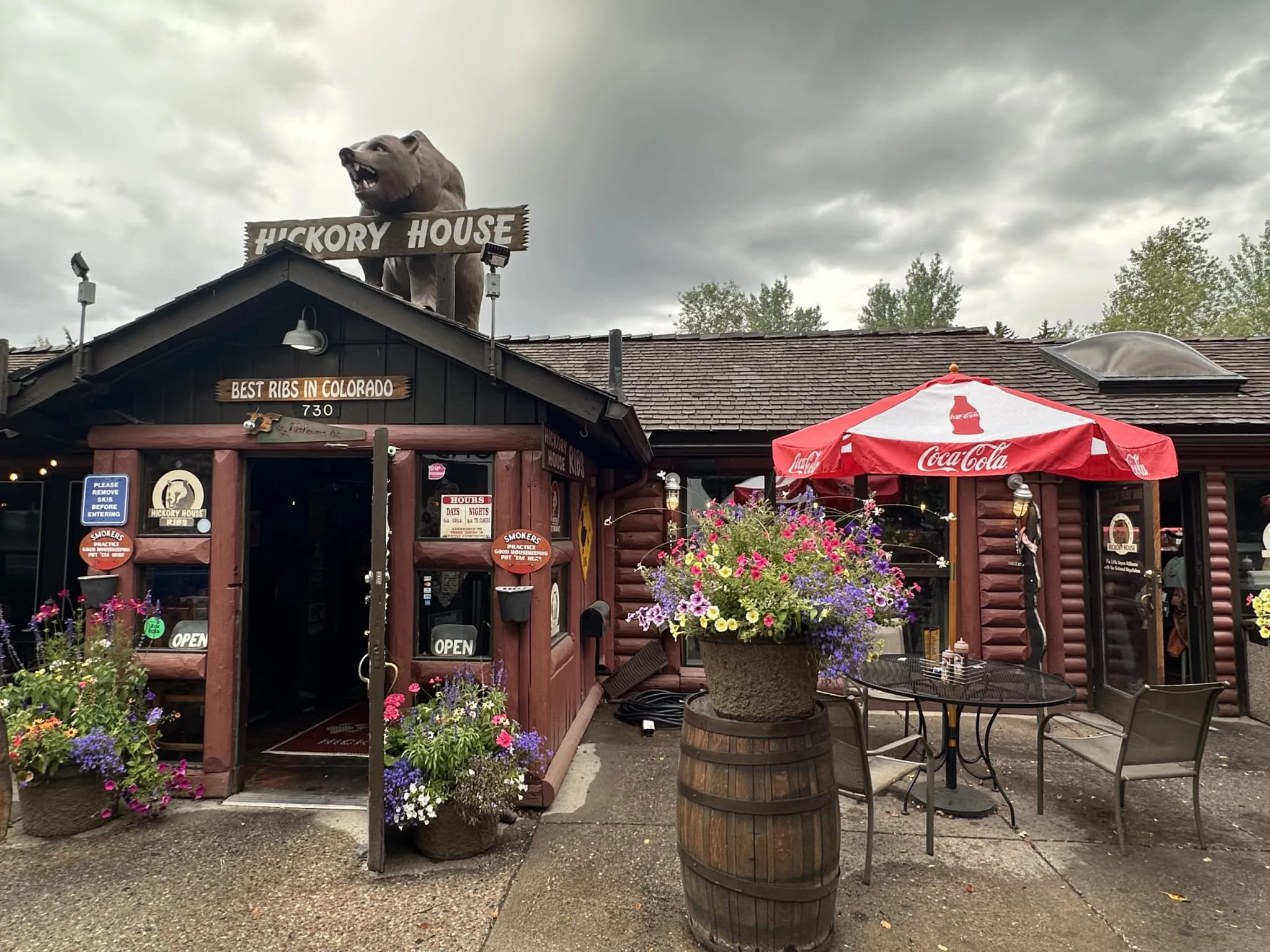
Aspen —Aspen’s Hickory House sits at the edge of town, where the paved streets surrender to open space and Castle Creek rushes toward the Roaring Fork River. For thirty years, owner Paul Dioguardi has watched bears tear through his coolers and pry open dumpsters in the small alley behind the barbecue joint. He doesn’t just live with them; he prepares for them with bleach, plywood, and now, electric mats that deliver a jolt to any bear foolish enough to step on them.
“He gets a little shock, and he’s not happy,” Dioguardi said.
This is the local reality of a statewide surge. As of Aug. 13, Colorado Parks and Wildlife (CPW) had received 6,129 reports of bear sightings and incidents, already surpassing the total of 5,299 reports the agency received for all of 2025. The rise isn’t random. Drought and wildfire have stripped wildlife of their natural food sources, forcing bears into town to dine.
In Pitkin County, CPW recorded 331 bear reports this year, up nearly 31% from 252 last year. More telling is the nature of those encounters. Incidents involving property damage and bears accessing food or nonfood sources jumped 56%, according to CPW data.
The numbers in Aspen are even starker. Lara Xaiz, the city’s parks and open space wildlife coordinator, said the city recorded 74 incidents of bears getting into trash, recycling, and compost by this point in 2024. That number climbed to 127 in 2025. This year, they’ve logged 311.
“That explains the numbers being a little bit higher,” Xaiz said, referring to the fact that city staff are now checking alleys seven days a week, compared with five or six days in the past. “But doesn’t explain them more than tripling over the past three years.”
The part everyone skips past is the cause. It’s not just that there are more bears; it’s that they are hungrier and more desperate. The combination of drought and wildfire has created a perfect storm of scarcity in the woods. When the berries are weak and the acorns are few, the smell of Dioguardi’s overnight smoking meat becomes a beacon.
Dioguardi borrows electrified mats from the city to haze the hungry animals away from his outdoor cooler, smoker, and refuse bins. The mats have been so effective that he is considering buying his own set. He deals with bears a couple of times a week on average. But for neighbors in the valley, the problem is spreading beyond the restaurant alley.
The city’s response has been to increase visibility. More frequent alley checks mean more reported incidents, but the tripling of damage claims suggests the bears are getting bolder and more persistent. They aren’t just scavenging; they are targeting specific food sources with precision.
Stand there long enough and you realize the bears aren’t just passing through. They’re making themselves at home. The coolers are no longer just containers; they’re challenges. The dumpsters are no longer just waste receptacles; they’re buffets. And the electric mats? They’re just the latest update in an arms race that’s been going on for decades.
The data is clear. The bears are winning the food war, and the locals are paying the price in damaged property and increased city services. It’s not breaking news that bears live in Aspen. It is the scale of their appetite that should worry anyone who values their trash cans.
Keep up with Aspen
The day's Western Slope news, one email each morning. Free.