Aspen Businesswoman Dennison Runs for Congress on Practical Stewardship
Aspen businesswoman Dennison campaigns for Congress in Colorado’s 2nd District, focusing on reducing regulations, managing inflation, and promoting practical stewardship for local small businesses.
Aspen —The coffee in the cup is getting cold, but the frustration in the room is heating up. You can feel it in the way people tap their feet under the wobbly conference table in Aspen. It’s not just about the price of a latte anymore. It’s about whether the person sitting across from them at City Council actually knows how to balance a checkbook, or if they’re just good at shaking hands.
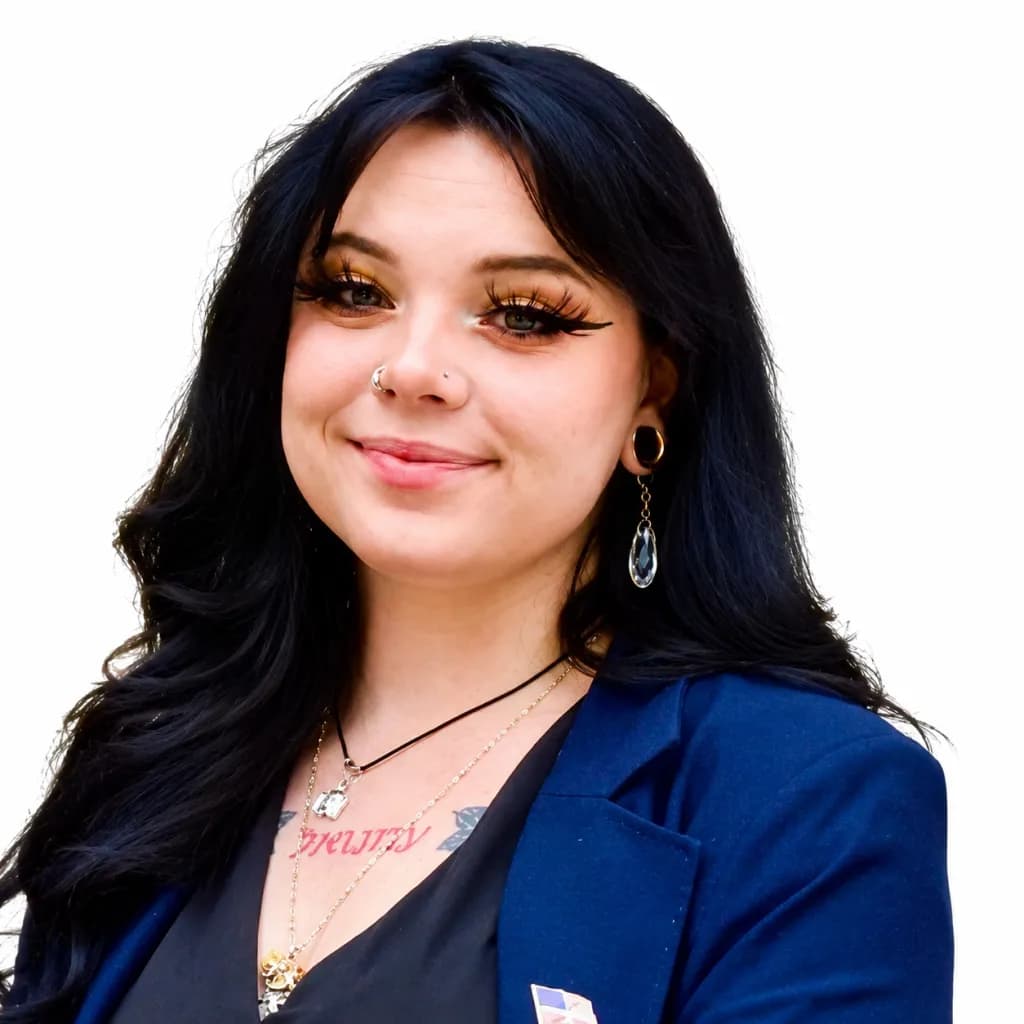
That’s the vibe Dennison is banking on.
Here’s the thing though: most candidates promise to fix everything. They promise to lower taxes, cut regulations, and save the planet, all by next Tuesday. Dennison isn’t promising magic. She’s promising to stop making things worse. And in a town where "stopping the bleeding" often feels like the only realistic victory, that’s a provocative take.
"I’ve grown increasingly frustrated watching Washington become more focused on partisan gamesmanship than solving real problems," Dennison writes in her campaign opinion piece.
She’s running for Congress in Colorado’s 2nd District. That’s the whole Western Slope, from the Grand Junction valley up to the high country. It’s a district where the cost of living has climbed so high that teachers and firefighters are sleeping in their trucks. It’s a place where small business owners spend more time filling out forms for state agencies than they do serving their customers.
Dennison says she sees this every day. She’s not a career politician. She’s a businesswoman. She understands that when inflation hits, it doesn’t just raise prices; it increases the cost of doing business. It drives up the expense of hiring. It pushes up the cost of keeping the lights on.
"The people making decisions in Washington should have experience creating jobs and managing budgets — not just talking about them," she says.
That’s a sharp contrast to the typical D.C. transplant who views Colorado as a vacation destination rather than a home. Dennison is arguing that the federal government doesn’t need to solve every local problem. It just needs to stop interfering. She wants responsible spending. She wants to cut the red tape that chokes small businesses. She wants to encourage domestic energy production, which, for folks in the valley, means keeping the lights on and the bills manageable.
But here’s where it gets interesting. She’s not just cutting checks. She’s talking about conservation. Not the kind that locks up public lands and leaves locals feeling like second-class citizens in their own backyard. She’s talking about "practical stewardship." That’s a phrase that resonates here. It means you can protect the forests and the rivers while still letting the logging industry and the tourism workers do their jobs. It’s a balance we’ve been struggling with for decades.
And education? She wants parents to have a voice. Not politicians. Parents. She wants schools to focus on academic excellence and practical outcomes, not political agendas. That’s a bold claim in a state where the school board battles are often more about ideology than literacy.
Public safety is next on her list. Strong communities need safe neighborhoods. That sounds simple, until you realize that "safe" means different things to different people. To some, it means more police. To others, it means better first responder support. Dennison is betting that folks are tired of the debate and just want the resources to get the job done.
"This campaign isn’t about politics," she writes. "It’s about people."
It’s a simple message. But in a town where complexity is the default, simplicity is a radical act.
Picture this: a local shop owner, wiping down the counter after a long day. She looks at the stack of new state regulations on her desk. She sighs. She thinks about Dennison’s promise to cut the unnecessary stuff. She doesn’t care about the partisan games in Washington. She cares about whether she can afford to hire her next employee.
That’s the story. Not the grand vision. Just the daily grind. And the hope that someone in D.C. is finally listening.
Keep up with Aspen
The day's Western Slope news, one email each morning. Free.