Carbondale Matriarch Celia Nieslanik Dies at 85 on Family Dairy Land
Celia Nieslanik, a lifelong Carbondale resident and dairy farmer, passed away at her home on August 10, leaving behind a legacy of community service and family devotion.
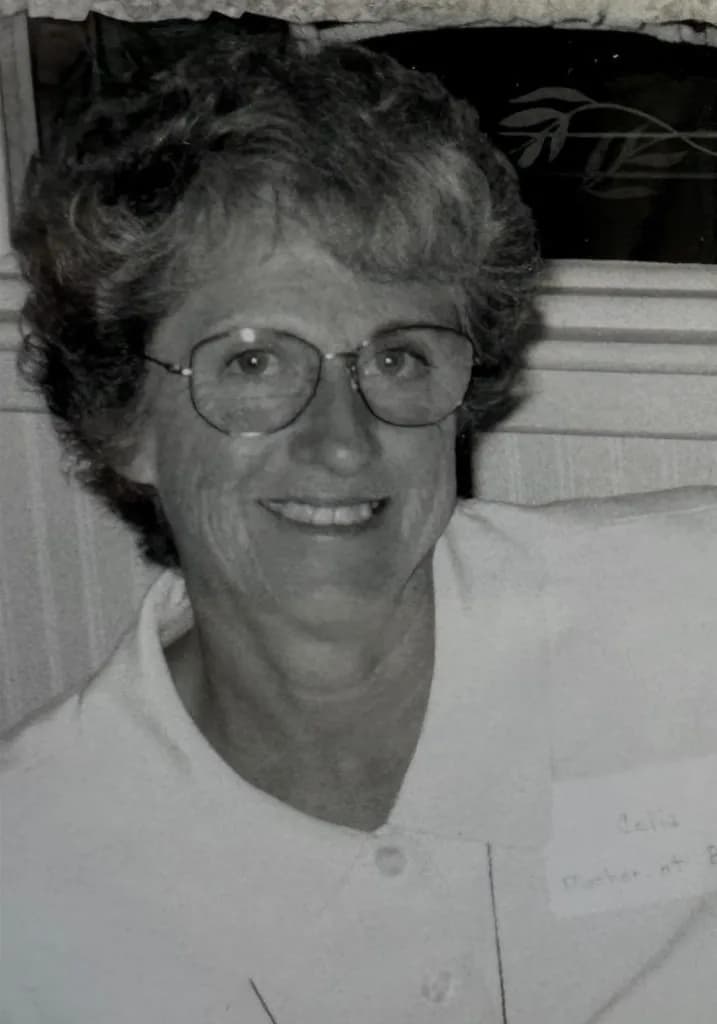
Aspen —"At the break of dawn on Monday, Aug. 10, our beloved Celia Nieslanik passed at her home in Carbondale, Colorado with family by her side."
That quiet moment, captured in the obituary published in the Post Independent, marks the end of a life deeply rooted in the soil and spirit of the midvalley. Celia Rose Nieslanik, who lived from November 4, 1940, to August 10, 2026, did not just inhabit Carbondale; she cultivated it. Her story is woven into the fabric of this town, from her birth at the Glenwood Springs Sanitarium to her final days on the family dairy land, where she remained a steadfast presence for nearly nine decades.
The Letey family history stretches back to the Aosta Valley in the Italian Alps, a migration that brought her grandfather and great-grandfather to work in Aspen’s silver mines before settling on the family farm in Emma. It was a life of hard work and seasonal rhythms, one that Celia inherited and expanded upon. After Oliver Letey sold the farm in 1947, the family moved to Carbondale, where Celia would eventually graduate from Carbondale Union High School in 1958. She didn’t stay long in the classroom, moving instead to Valley View Hospital in Glenwood Springs, where she worked before meeting Paul Nieslanik.
Their union on June 17, 1967, at St. Stephens Catholic Church in Glenwood was the beginning of a partnership that defined much of Celia’s public and private life. Together, they raised five children — Tim, Tami, Kim, Karen, and Ted — next to their dairy in Carbondale. The family grew further when Stacey Patch joined them in 1986, creating a household where size was never an obstacle to connection.
To walk past the Nieslanik property in later years was to witness a living archive of local culture. Celia was a lifelong cultivator, both in the literal sense and in how she nurtured her community. She grew a huge vegetable garden annually, maintained beautiful flower beds, and helped Paul with the ranch work. Longer summer days were filled with coffee chats, pickling, canning, and feeding the crew during branding and haying. There is a specific warmth to Thursday nights in Carbondale, when Celia could be found on the trailer at the rodeos or making her weekly trip to the diner, always with room for conversation and connection.
Her resilience was as notable as her generosity. Celia faced tremendous loss, overcame cancer multiple times, and persevered through various health issues with what her family described as extraordinary determination. She was an ardent contributor to St. Mary’s Altar and Rosary Society, grounding her life in steadfast Catholic faith. Yet, she was never too busy for the sporting events of her children and grandchildren. Rarely did she miss a game, match, or race, supporting teams regardless of their affiliation, Rams, Demons, Spartans, Mountaineers, Mavericks, Pioneers, or Team USA. Even under hospice care, she ensured her Detroit Tigers were on the screen when they played.
Celia is survived by her five and a half children, carrying forward a legacy of quiet generosity that benefited all aspects of Carbondale. Her table was always open, sometimes offering a side helping of tough love when needed, but mostly offering space for everyone to sit. As the sun sets over the midvalley dairy lands, one can still feel the rhythm of her life in the gardens she tended and the community she held together.
Keep up with Aspen
The day's Western Slope news, one email each morning. Free.
Craig Hosts Only Regional Special Olympics Bowling Competition
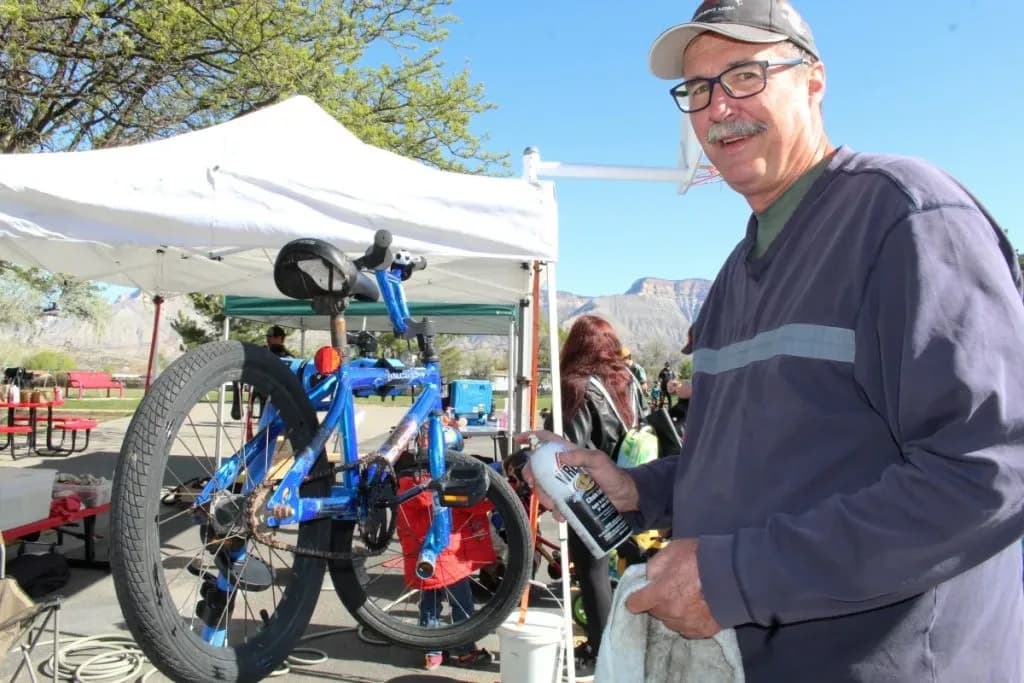
Parachute Bike Clinic Seeks Permanent Home After 66 Free Repairs