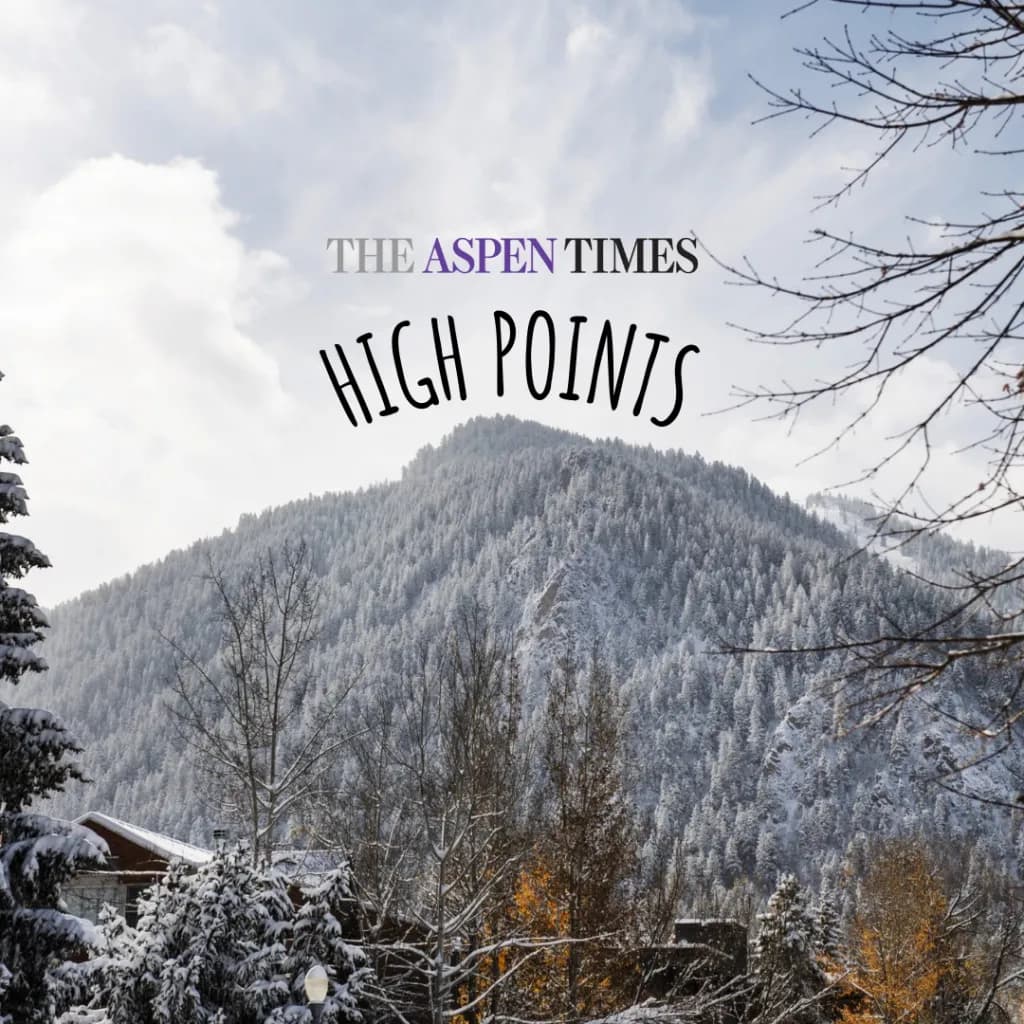
Aspen Columnist Argues Powder Days Now Spark Rage
Lorenzo Semple argues that Aspen's post-drought ski season has shifted skier behavior from fearful panic to explosive rage, causing social friction and financial strain.

Aspen —The "Powder Panic" is dead. Long live "Powder Rage."
That is the counterintuitive claim. For decades, we have accepted that skiers lose their minds when fresh snow falls. We call it panic. It implies fear — a desperate, scrambling need to secure a resource before it’s gone. But Lorenzo Semple, writing in the Aspen Times, argues that the current climate has shifted the dial from fear to fury.
We are coming off a drought ski season. That matters. When you starve people, they don’t just get hungry; they get angry. Semple describes a "palpable, pent-up" emotion brewing in the valley. He writes, "I can already feel the angst surging in my bones." This isn’t just about wanting to ski; it’s about the frustration of waiting. The "rage" is the accumulated irritation of a dry year finally exploding on the first day of snow.
Let’s look at the behavior this rage produces. Semple offers a blunt diagnosis: "Powder turns otherwise rational people into complete monsters."
He details the specific ways this irrationality manifests. It’s not just about skiing fast. It’s about social contract violations. Skiers are:
- Shirking responsibility
- Lying to customers over the phone
- Bouncing calls from friends into voicemail
- Swearing at drivers on the road
- Judging "uphillers" who ski before the lifts open
That last point is key. The "monsters" aren’t just fighting each other on the slopes. They are judging everyone else’s method of getting to the snow. If you hike up a closed run, you’re stealing. If you wait for the rope drop, you’re late. In a state of rage, there is no neutral ground. Everyone is wrong except the person who got there first.
There is also an economic layer to this anger. Semple notes that the biggest storms often produce "funky snow" — thick, windblown, heavy. The "Goldilocks" amount, he says, is around a foot. Anything less is a tease; anything more is a slog. So the rage is also directed at the weather itself. The snow isn’t behaving. It’s not giving us the clean, deep stuff we paid for.
And then there’s the cost. Literally. Semple mentions dying "under its influence." He talks about needing "good health insurance" before you go. This is a direct hit to the wallet. If you get hurt chasing that first line of powder, your premium goes up. Your deductible kicks in. The "drug" of powder has a price tag attached, and it’s not just the lift ticket.
So, what does this mean for locals?
If you plan to ski this year, expect the mountain to be a pressure cooker. The "rage" will show up in lines. It will show up in conversations at the bar. It will show up in the way people drive to the lot. The "Powder Panic" was a scramble. The "Powder Rage" is a standoff.
Semple’s advice is essentially to manage your expectations. He rates powder days on a "scholastic letter-grade scale" and "rarely give[s] out As." If you think every inch of snow is a miracle, you’re setting yourself up for disappointment. If you accept that the snow might be heavy, or that the line will be long, or that your friend might not answer their phone, you survive the day intact.
The bottom line is this: The first powder day this year is going to be intense. It’s not just about the snow. It’s about the release of tension. The drought is over. The waiting is over. Now the screaming starts.
Keep up with Aspen
The day's Western Slope news, one email each morning. Free.