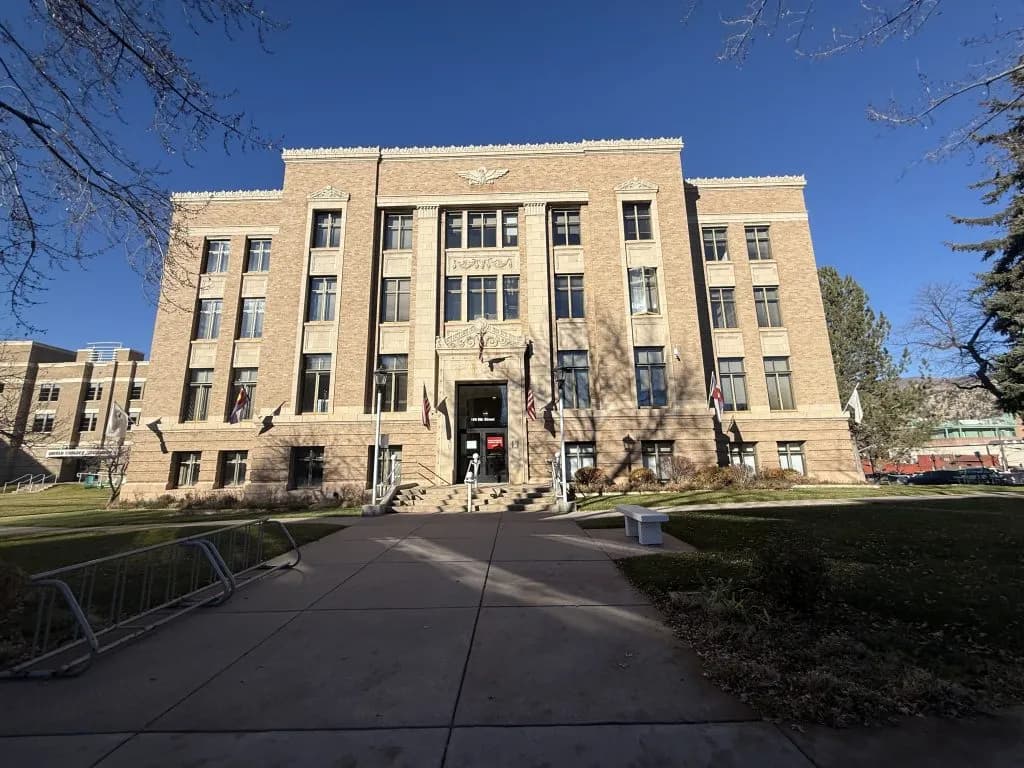
Aspen Council Approves $337.7 Million Budget for Armory and Housing
Aspen City Council unanimously approved a $337.7 million budget Tuesday, prioritizing Armory Hall and Lumberyard housing projects while incorporating a $125,000 wildfire mitigation supplement.
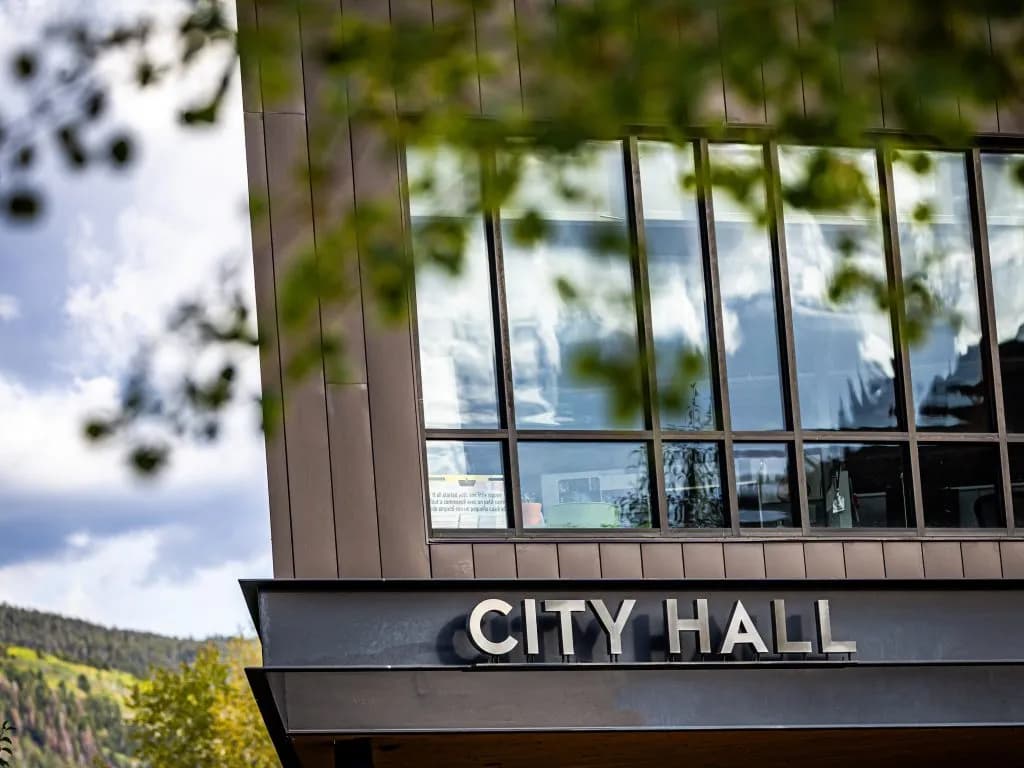
Aspen —The gavel falls, a sharp crack in the quiet of City Hall that cuts through the hum of fluorescent lights and the rustle of papers. For a few seconds, the room holds its breath before the applause starts, unanimous and steady. That was Tuesday night in Aspen, when the City Council voted to advance a spending plan that will define how money moves through this town for the next fiscal year. The number is staggering in its scale: $337.7 million. It’s a figure that sits heavily on the table, representing not just dollars, but the physical texture of the city — concrete poured for foundations, steel beams for roofs, and the quiet, steady flow of water through treatment plants.
Andrew Kramer, the city’s Finance Director, stood at the podium to explain where that money is going. He spoke about alignment with strategic priorities, a phrase that often sounds like corporate fluff until you look at the line items. This budget is heavily weighted toward projects that locals can see from their driveways or feel in their property values. There’s the Armory Hall, a long-gestating project that has dominated local conversation for years. There’s the Lumberyard affordable housing development, a response to a crisis that hits every neighbor who has tried to find a place to live in the valley. There’s the Entrance to Aspen, and there are upgrades to the water treatment facility that keep the tap running clean.
Kramer was direct about the scale of it all. “We are spending a lot of money — this is a very large appropriation,” he told the council. But he emphasized that the spending rests on sound financial practices, specifically meeting fund-balance targets. He noted that the budget puts significant existing fund balances to use, a move designed to advance the priorities set out in the city’s strategic plan over the last couple of years. It’s a deliberate choice to spend down reserves rather than let them sit idle, a decision that reflects a council eager to see progress on the skyline and in the infrastructure.
Not everyone was entirely comfortable with the allocation, though. Council member Bill Guth raised his hand to ask for more money directed toward wildfire mitigation efforts. It’s a request that carries weight in a town where the air can turn hazy with smoke and the ground dries out into tinder. Sam Rose, another council member, agreed, saying he would “love that to come back as a potential supplemental.” Guth added a note of optimism, suggesting that even if the money isn’t in this specific budget, “if nothing else, this starts the conversation.”
Mayor Rachael Richards listened to Guth’s suggestion with appreciation but pushed back on the timing. She argued that the council should evaluate all city programs before deciding where to allocate additional funding, a reminder that every dollar spent on one priority is a dollar taken from another. The council did approve some wildfire funding in the 2026 budget amendment, including $125,000 for the Aspen Fire Protection District, but Guth’s push suggests that the appetite for more is still there.
The council also moved forward with an ordinance to amend the 2026 budget, increasing total appropriations by approximately $11.9 million, bringing the 2026 total to $400.2 million. This supplemental includes eight one-time operating requests totaling $458,724. The list is a mix of the mundane and the specific: repairs for Marolt fire sprinklers, environmental remediation at Truscott I, radon mitigation grants, and assessments for the Edge of Ajax and Midland Condo homeowners associations. There’s also funding for a ceramic kiln at the Red Brick Center for the Arts, a small but vital piece of equipment that allows local makers to fire their work. Two other requests were approved earlier in the meeting: a $150,000 hosting fee for the 2027 Climate Solutions Summit and the aforementioned wildfire mitigation funds.
Kramer confirmed that these eight requests account for only about 4% of the total fall supplemental appropriations. The remaining $11.4 million consists largely of technical adjustments, with three items making up the bulk of that amount: $3.5 million for employee housing inventory accounting, $2.9 million for Aspen Recreation Center facility improvements, and $2.5 million for the water treatment facility project. Kramer assured the council that these items had been seen and passed in previous meetings, a nod to the bureaucratic rhythm of city government where decisions are often made in increments rather than all at once.
As the meeting wrapped up, the numbers remained on the screen, a stark list of millions and thousands. The budget is now pending final approval, but the direction is clear. Aspen is choosing to invest its reserves in physical structures and public works, betting that the city’s future depends on building things, halls, housing, water systems - that will outlast any single fiscal year. The air in the room was still cool from the evening, but the discussion had left a residue of urgency, a sense that the city is moving quickly to put its money where it thinks it’s needed.
Keep up with Aspen
The day's Western Slope news, one email each morning. Free.

Aspen Snowmass Tops Colorado Ski Resorts In Early Season Snowfall
Glenwood Springs Approves $116 Million 2027 Operating Budget