Aspen Council Moves General Election to November Starting in 2028
Aspen City Council unanimously approved moving the general election to November of even-numbered years starting in 2028, aiming to boost voter turnout and reduce weather-related absenteeism.
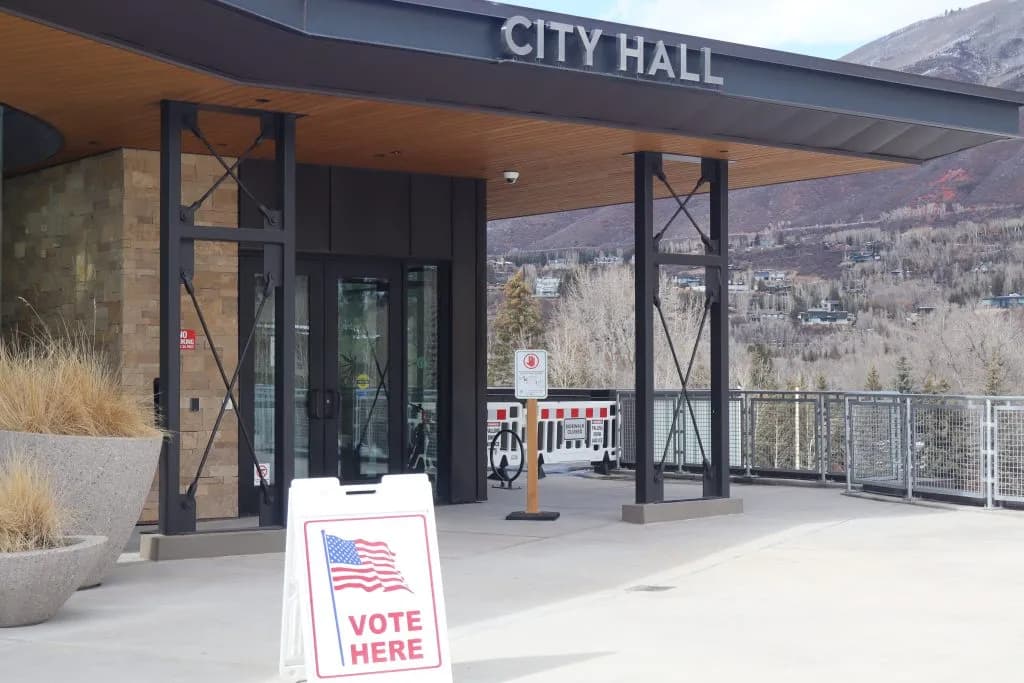
Aspen —What happens to your ballot when Aspen swaps its March vote for a November one? The city council answered with a unanimous resolution on Aug. 11, moving the general election to November of even-numbered years, starting in 2028.
On paper, this looks like a simple calendar adjustment. In practice, it’s a gamble on voter turnout and a potential headache for candidates who miss the majority threshold.
Aspen Special Counsel James True laid out the mechanics during the meeting. The city is proposing two ordinances to amend the Home Rule Charter. Both move the election to November 2028, coordinated with Pitkin County. The difference lies in the runoff rules.
One option keeps the current system: if no candidate hits the specific vote threshold, a runoff occurs in December. The other strips that away, allowing a candidate with little support to win via plurality.
Mayor Rachael Richards pushed for the change, citing weather and engagement. March in Aspen is snowy. Voter turnout is consistently lower than it is in November. “Those are what I see as the compelling reasons to at least give the public a choice,” Richards said.
Council Member Bill Guth and Sam Rose agreed without comment. Council Member Christine Benedetti, who previously had reservations, is now willing to let the public decide. She pointed to community survey feedback as justification for moving forward.
City Manager Pete Strecker spoke for Council Member John Doyle, who was absent but supportive of the November shift.
The real friction point is the runoff. The staff report notes that the current system has altered election outcomes twice in over 20 years. Without a runoff, you risk electing someone with minimal support. With it, you ensure majority approval but force a second vote in December if needed.
True explained the stakes for council seats specifically. Mayoral races send two people to a runoff, needing a majority vote. Council races can send four candidates into the runoff. If four people get into the race, the top two vote-getters win.
Let’s do the math on what this means for you, the local voter. You’re not just shifting dates; you’re altering the probability of who sits in City Hall. A November election likely means more neighbors showing up, which favors established names over niche candidates. However, if the council votes to keep the runoff, you might see a December vote that delays final results and increases administrative costs.
Aspen has tried this before. The city considered moving to November in 1971, where it failed. It passed in 1989 but was repealed in 1990. This time, the council is asking for a direct ballot question before implementation in 2028.
The bottom line? If you’re running for office, prepare for a December runoff possibility. If you’re just voting, expect higher turnout and potentially more competitive races in November 2028. The city isn’t changing the game, just the season.
Keep up with Aspen
The day's Western Slope news, one email each morning. Free.