Aspen Diners Learn Structured Ritual for Approving Table Wine
A recent Aspen Times piece outlines a structured sensory ritual for approving table wine, guiding diners through visual and aromatic checks to enhance the shared dining experience.
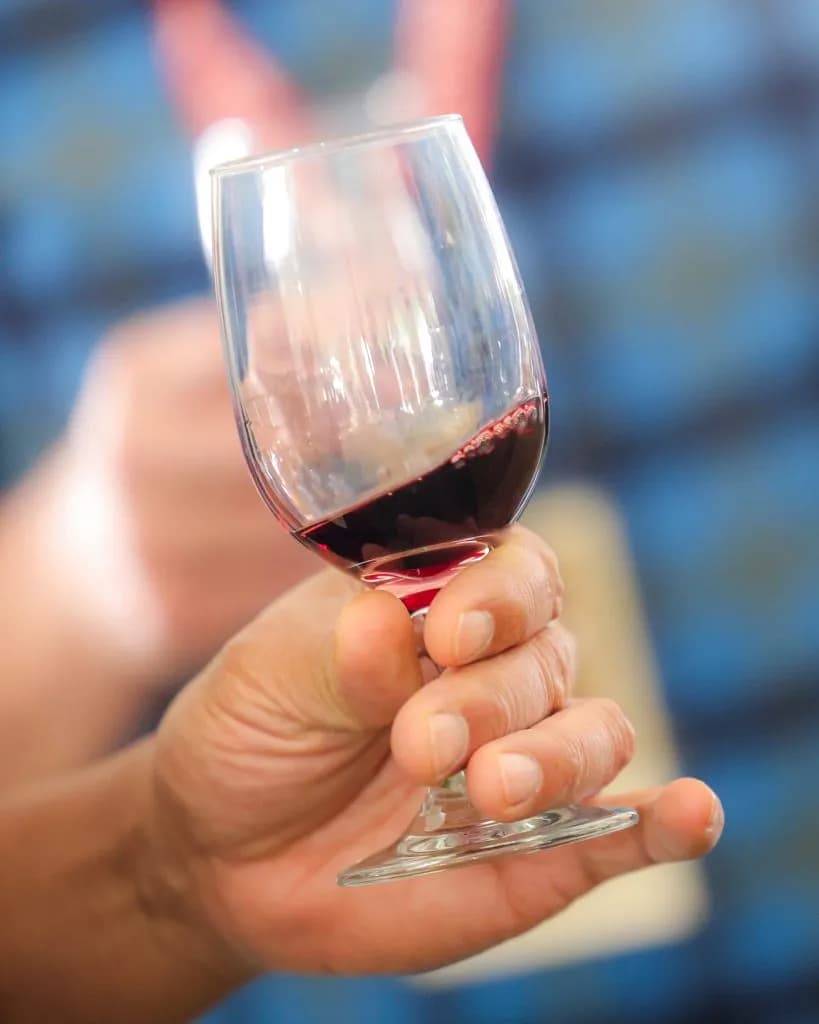
Aspen —On a quiet evening in Aspen, the ambient hum of conversation fades as a sommelier approaches the table. The air is crisp, carrying the faint scent of woodsmoke from nearby fires, while the glass of wine catches the warm glow of the candlelight. All eyes turn to the person who ordered the bottle, waiting for the nod that signals approval.
This ritual, familiar to anyone dining out in the valley, is the focus of a recent piece in the Aspen Times. The article, titled "WineInk: A tip for tasting," breaks down the seemingly simple act of approving a wine for the table. It’s not just about checking for a fly in the glass; it’s about a structured sensory check that sets the stage for the entire group.
The process, as described, is methodical. First, a visual inspection. Unless there’s an obvious flaw, the next step is a swirl. This isn’t just for show; it releases the aromatics. Then comes the sniff. The benchmark is simple: does it smell like wine, or does it smell like a wet cardboard box or a bottle of nail polish? If it passes that test, you take a sip.
But you don’t just swallow. You roll it around in your mouth for a moment, gathering in the flavors. You consider if the wine is fresh and vibrant, and whether the temperature is right. If you check these boxes, you turn to the sommelier and say, "Thank you, that’s great."
To hear them tell it, this brief pause transforms the experience. It moves the wine from a beverage to a shared event. The confidence of the group ripples outward; your fellow diners feel assured, ready to get their noses into their glasses.
There’s a deeper layer to this, too. The piece touches on the subjectivity of wine and how our senses are influenced by the surroundings. It suggests a practice of "talking story" about the wine, even if it’s just a conversation with yourself. You visualize the vines, the terroir, the place where the wine comes from. You make connections, linking a garnacha from Spain to a grenache from California or France. It’s a way to make the unfamiliar relatable.
It’s a small shift in perspective, but it carries weight. We so often pour wine into a glass and drink it without paying attention. But spending just a moment considering these elements enhances the enjoyment. It gives us the kind of pleasure that makes tasting wine such a unique and special endeavor.
The math holds up: a few seconds of deliberate attention yields a richer, more communal experience. It’s not about becoming an expert; it’s about being present.
As the article notes, having tasted with winemakers, sommeliers, and collectors, the author has learned to approach the process with intention. It’s a reminder that the best parts of life often happen in the pauses, in the moments we choose to slow down and truly taste what’s in front of us.
In the end, it’s about setting the stage. Your guests are confident in the wine because you did the work. You checked the boxes. You approved the bottle. And now, everyone can enjoy it. That’s the tip. That’s the ink.
Keep up with Aspen
The day's Western Slope news, one email each morning. Free.