Vail Vet Recommends Snuffle Mats to Boost Dog Mental Health
A local Vail veterinarian advises replacing standard bowls with snuffle mats to turn quick meals into ten-minute mental exercises, helping slow eating and reduce anxiety.
Aspen —On the paved sidewalks of downtown Vail, a golden retriever stands frozen in place. Its nose is buried deep into the carpeted ground, twitching rapidly as it hunts for a single piece of kibble hidden beneath a layer of fabric. The dog isn't begging. It’s working.
That twenty-second meal from a metal bowl just became a ten-minute session of sniffing, searching, and problem-solving. It’s a small shift in routine that the Vail Daily highlights as a way to keep dogs mentally engaged without requiring expensive toys or hours of free time.
The article comes from a busy veterinarian who keeps five dogs at home, ranging in weight from 6 to 110 pounds. For context, that’s a lot of mouths to feed and a lot of energy to manage. The vet argues that the standard dog bowl is inefficient. It allows dogs to inhale food with almost zero mental effort. Instead, the vet recommends turning every mealtime into an opportunity for enrichment.
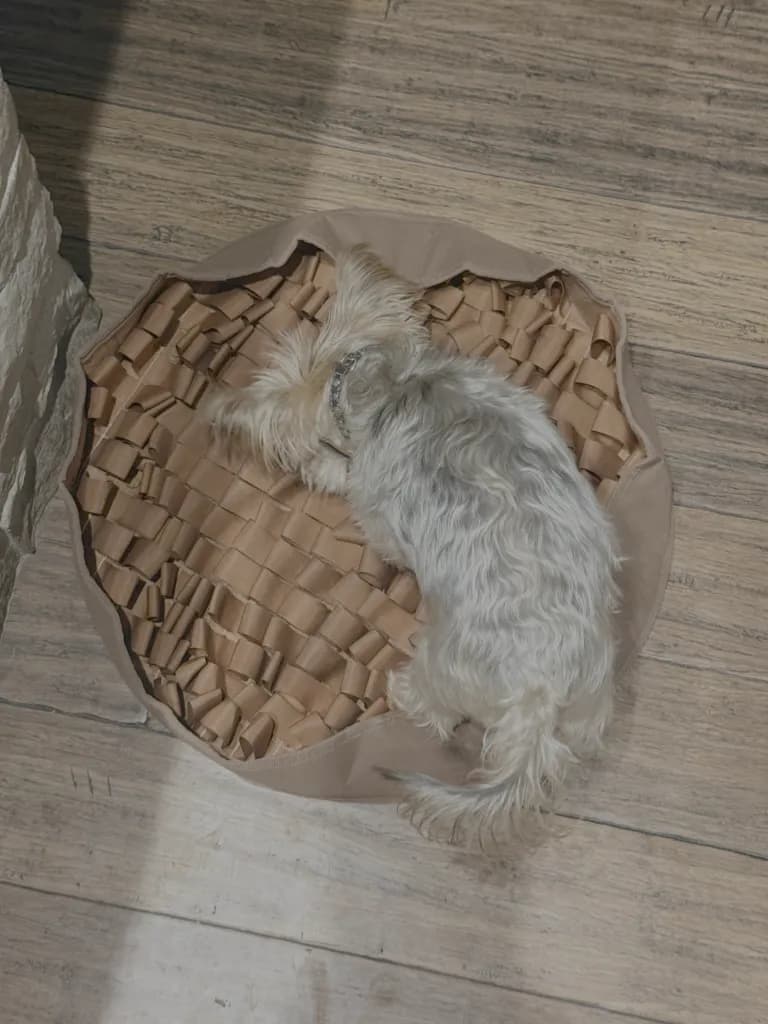
The primary tool suggested is the snuffle mat. These are fabric or silicone mats with loops and ridges where kibble gets hidden. The dog has to use its nose to find the food, mimicking natural foraging behaviors. For larger dogs, like the vet’s Labrador cross, combining a fabric mat with a silicone one creates a more challenging puzzle. The difference in time is stark. A meal that takes 20 seconds from a bowl takes about 10 minutes on a mat. That extra time provides mental stimulation and slows down eating, which can help with digestion and weight management.
For dogs that eat wet food or canned meals, the vet suggests lick mats. These are silicone surfaces with textured grooves where you spread the food. The dog licks the meal from the texture rather than gulping it down. If you use a lick mat, look for one with suction cups on the bottom to keep it from sliding around during the process.
Cleaning these tools is straightforward. Felt mats go in the washing machine after you shake out the leftover kibble. Silicone mats can go in the dishwasher, and the vet washes theirs weekly. If you don’t want to buy anything at all, you can make a version at home by wrapping kibble in a bath towel.
Not every dog will take to this immediately. The vet advises choosing tools that suit your dog’s size and eating style, and introducing new methods gradually. You need to supervise the process to prevent dogs from chewing off pieces of fabric or silicone and swallowing them. Portions should remain appropriate for your dog’s specific dietary needs; you’re changing how they eat, not necessarily how much.
You don’t need a budget for high-end equipment to make this work. The vet’s advice is blunt: start with one meal, a towel, and a handful of kibble. The practical impact for locals is simple. If your dog inhales its dinner in under a minute, you’re missing out on ten minutes of free mental exercise. That’s ten minutes where the dog is tired, calm, and engaged instead of pacing or chewing on furniture. It costs you nothing but a few minutes to set up, and it turns a routine chore into a daily activity that actually benefits the animal.
Keep up with Aspen
The day's Western Slope news, one email each morning. Free.