Aspen Ideas Festival Draws Jodie Foster and Policy Heavyweights
Jodie Foster headlines the Afternoon of Conversation at the Aspen Ideas Festival, joining policy experts like Alberto Gonzales and Jeh Johnson for a high-profile event highlighting Aspen's status as an intellectual hub.
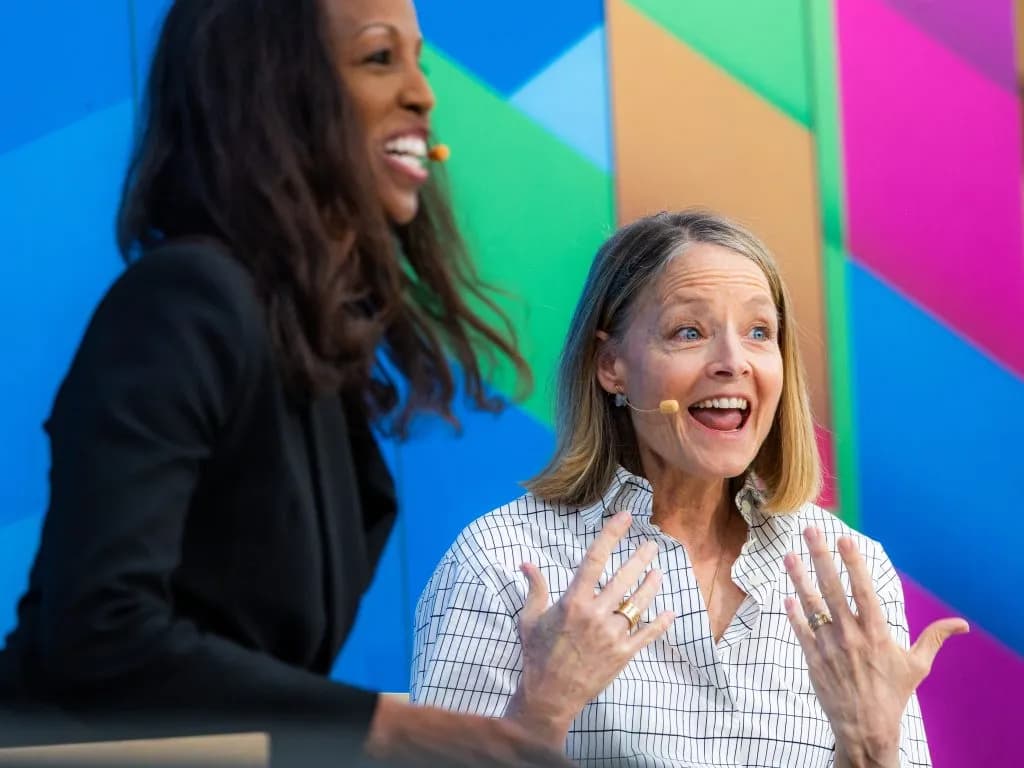
Aspen —The air inside the Michael Klein Music Tent was thick with the kind of intellectual humidity that only a packed Aspen crowd can generate. It was Sunday, June 28, 2026, and the temperature outside didn’t matter nearly as much as the weight of the names on stage. Jodie Foster sat center court, flanked by Harvard Professor Sarah Lewis, while the rest of the panel — former U.S. Attorney General Alberto Gonzales, former Secretary of Homeland Security Jeh Johnson, and jazz bassist Christian McBride — waited for their cue.
This wasn’t just a talk show. It was the Afternoon of Conversation, the centerpiece of the Aspen Ideas Festival’s final day. And while the headlines focus on the celebrity draw, the real story is the machinery behind it. The Aspen Institute is in transition. Dan Porterfield, the current president and CEO, is wrapping up his tenure to become the head of the Jack Kent Cooke Foundation in July. Maria Acebal is holding the fort as executive vice president until Dr. Ángel Cabrera, currently president of Georgia Tech, takes over in November.
Let’s look at the roster. You’ve got political heavyweights in Gonzales and Johnson. You’ve got cultural icons in Foster and McBride. You’ve got Charles Yang, a celebrated violinist and composer, closing the show with a performance. It’s a lot of high-level networking for a Tuesday afternoon.
But here’s what the press releases don’t always scream: this is a three-part event. The Health portion ran from June 22-25. This was the second act. The festival wraps up with a closing picnic on Wednesday. It’s a week-long exercise in influence, funded by the deep pockets of the Aspen Institute and its donors.
For context, consider the geography. The tent sits on the Institute’s campus, a short drive from the core of Aspen proper. The attendees aren’t just locals. They’re the national elite, the policy makers, the investors. The photos show Pete McBride, the Roaring Fork Valley native and acclaimed photographer, talking about the Colorado River system earlier in the week. He’s local. He’s relevant. But Foster? She’s the headline.
The visual record from Austin Colbert/The Aspen Times tells the story of the seating arrangement and the body language. Gonzales and Johnson stood together, a reminder of their shared tenure in the Bush and Obama administrations, respectively. McBride chatted with John Dickerson, a writer for The Atlantic, bridging the gap between art and journalism. Porterfield made his introductions, setting the stage for the departure that is already looming.
There’s no hidden tax hike here. No new road project in Glenwood Springs. No zoning change in Basalt. This is soft power. It’s the exchange of ideas in a room that costs thousands of dollars a ticket to attend. It’s where policy is whispered before it’s legislated.
The festival’s structure is rigid. Health first. Then the main ideas. Then the picnic. It’s a curated experience. The "Afternoon of Conversation" is the anchor. It’s where the big names get their fifteen minutes. Foster and Lewis led the charge. McBride added the rhythm. Yang added the melody.
The bottom line? This event reinforces Aspen’s status as the intellectual capital of the mountain west. It keeps the Institute relevant. It keeps the donors happy. And it gives locals like Pete McBride a chance to shine alongside the stars. It doesn’t change your commute. It doesn’t fix the potholes on U.S. 6. But it does keep the money flowing into the valley’s cultural infrastructure. That’s the real cost. And the real benefit.
Keep up with Aspen
The day's Western Slope news, one email each morning. Free.