Vail Dance Festival Director Predicts Music Will Become a Conversation
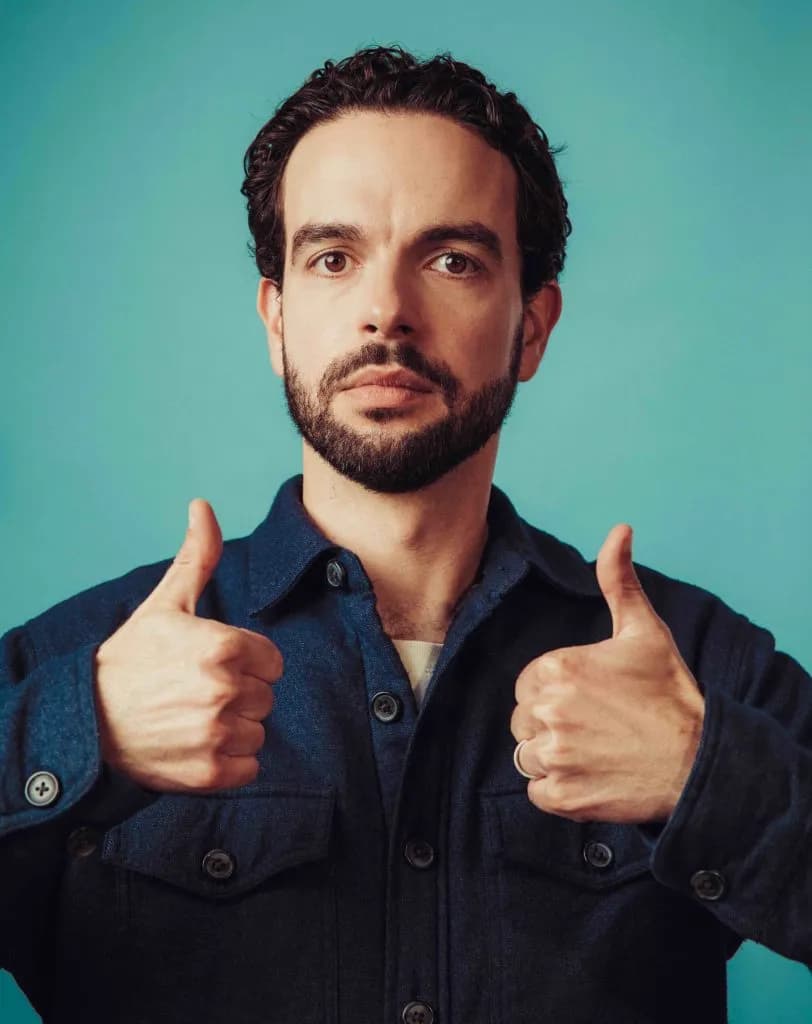
Damian Woetzel, Caroline Shaw, and Charles Yang discuss at the Aspen Ideas Festival how music will evolve into a collaborative conversation rather than an isolated experience by the year 2276.
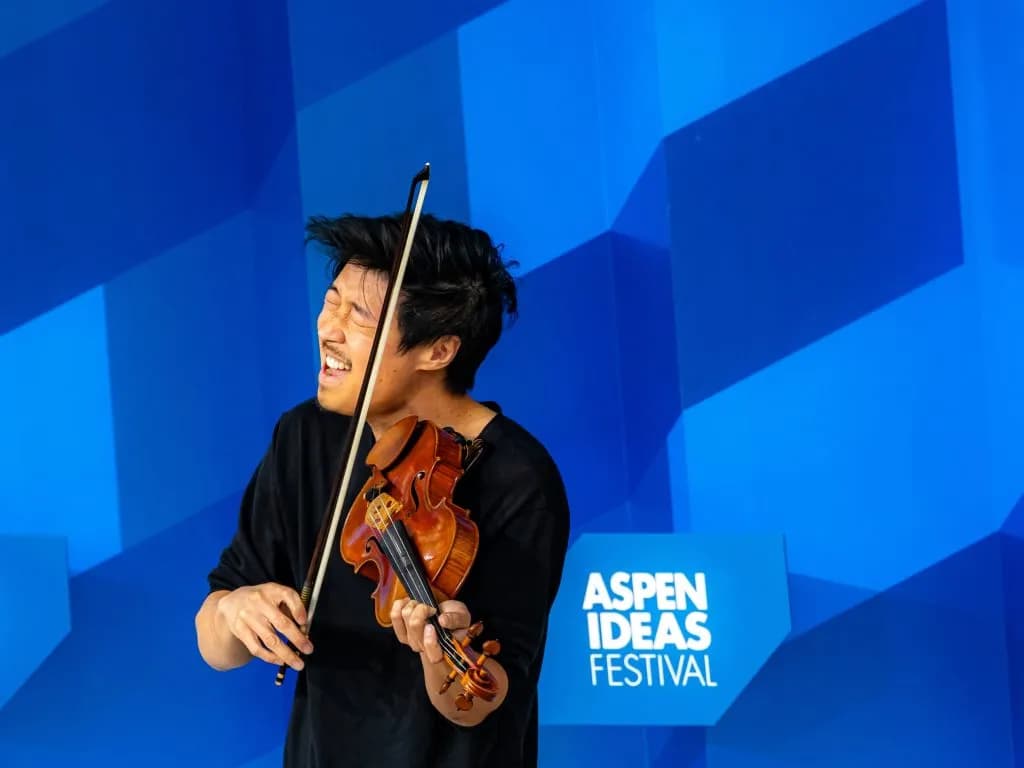
Aspen —Damian Woetzel didn’t just talk about music at the Aspen Ideas Festival on Monday; he treated it like a living, breathing entity that refuses to stay in a box. The artistic director of the Vail Dance Festival was part of a panel discussing what music will sound like in the year 2276 — 250 years from now. It’s a big timeframe, stretching past the current century and well into the future. But the question wasn’t really about technology or alien invasions. It was about connection.
As Woetzel put it, the music of the future will be a "function of conversation," not an isolated experience. It starts one on one, then evolves together.
The panel included two other heavyweights in the arts world: Charles Yang and Caroline Shaw. Both grew up steeped in classical traditions, though their paths to that foundation were different. Yang’s parents immigrated from China, so traditional Chinese music was woven into his upbringing alongside the classical training. Shaw came from a family where classical music was the dominant language. Yet, both artists found their way into popular genres like classic rock and blues before circling back to the core of what they loved.
Shaw described her approach as creating "new doors and windows out of the old material." She doesn’t just play notes; she searches for sounds that feel inevitable, even if they haven’t been composed before. She tries to capture something internal, asking herself, "If the moon was a sound, what might that be?"
Yang added that context is everything. He pointed out that dance steps often look vastly different from how Bach notated them on paper, but "it all comes together." The visual arts, theater, and dance influence music in tangible ways. You can’t separate the sound from the movement that accompanies it.
The panel didn’t just talk in circles. They demonstrated it. Yang and Shaw engaged in an improvisational, nonverbal music conversation on stage. Then they turned to the audience, coaching them to sing "awwww." Shaw guided the crowd from a low moan to a robust, revitalizing sound. It wasn’t about perfection; it was about the collective shift. Shaw later described the feeling as one of delight and joy, a gentle respect among the participants rather than one-upmanship.
Yang called it a call-and-response effect that built over time. "There’s so much inside that sense of sound," Woetzel said.
Discovery, the panel agreed, requires collaboration. When Shaw composed music for dancer Lil Buck, she didn’t just write a score. She asked him what Memphis sounded like to him. They merged their perspectives to create something fresh that hadn’t existed before. It’s about listening, not just performing.
So, what does this mean for the future? Yang offered a simple answer: we won’t even be sure what kind of people we’ll be in 250 years, but the music will grow with us. It will adapt to who we become.
The broader implication here is that innovation isn’t about discarding the past. It’s about using the old material to build new structures. Whether it’s Bach, Chinese traditional music, or modern dance, the goal is the same: to express what’s inside.
As the panel wrapped up, the message was clear. The future of music isn’t a mystery waiting to be solved. It’s a conversation we’re already having. And if you listen closely, you can hear it starting right now.
Keep up with Aspen
The day's Western Slope news, one email each morning. Free.