Aspen Indigenous Foundation Hosts World Champion Hoop Dancer ShanDien Sonwai LaRance
The Aspen Indigenous Foundation hosted a free Native American cultural exhibition at Sister Cities Plaza, headlined by world champion hoop dancer and Cirque du Soleil artist ShanDien Sonwai LaRance.
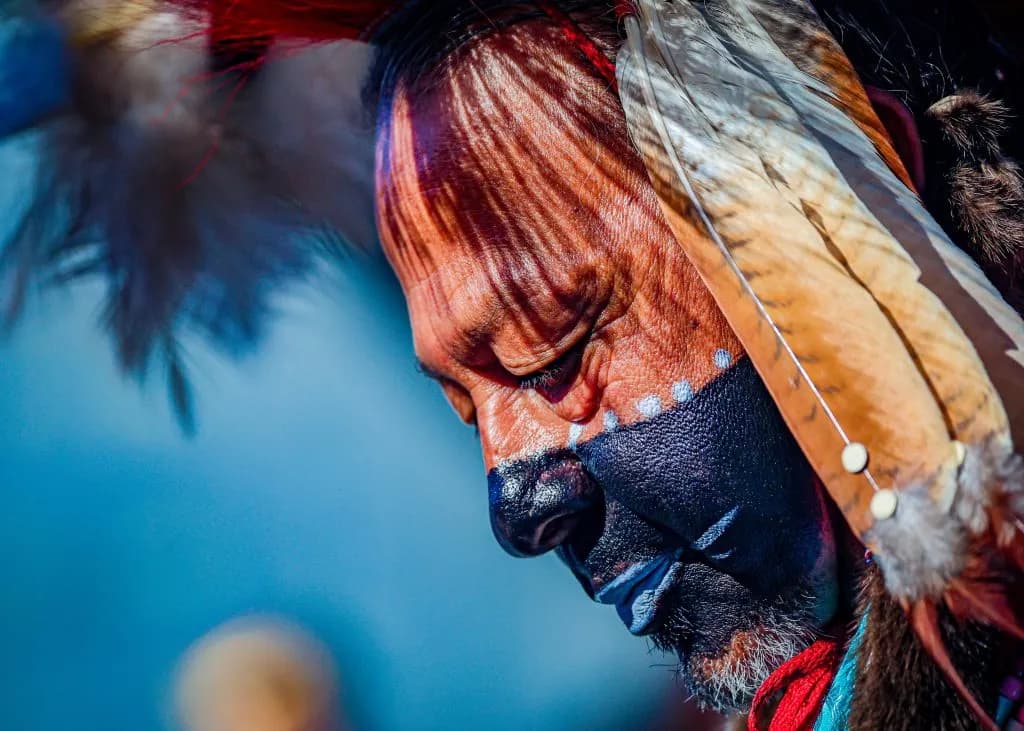
Aspen —“ShanDien Sonwai LaRance, a world-renowned and world champion hoop dancer and Cirque du Soleil artist.”
That’s the headline act. The rest is just context.
The Aspen Indigenous Foundation hosted a free Native American cultural exhibition on Saturday, April 4, 2026. The location? Sister Cities Plaza, right near Wagner Park in downtown Aspen. It wasn’t a museum display where you stand behind velvet ropes. Locals could see the dances. They could join them.
LaRance closed the show.
If you’ve never seen a hoop dancer, you’re missing out on one of the most precise forms of physical storytelling in existence. LaRance isn’t just spinning metal or wood. She’s weaving narratives. Doing it while wearing a costume that weighs more than your average sedan doesn’t hurt. The circus troupe knows this. They hired her for a reason. She’s world-champion level. Not just in Aspen. Not just in Colorado. The world.
The Aspen Indigenous Foundation is a local nonprofit. They didn’t charge admission. You didn’t need a ticket. You just needed to show up. That’s the model. Keep it accessible. Keep it visible.
Wagner Park is a staple. It’s where the community gathers for concerts, for protests, for quiet Sundays. Sister Cities Plaza is adjacent. It’s a space designed for connection. This event used that design. It turned a public square into a cultural hub.
LaRance’s performance was the finale. But the exhibition was the foundation. Literally. The name of the organization isn’t a coincidence. It’s a statement of purpose. Indigenous isn’t just an adjective here. It’s the subject.
There were no press releases buried in the copy. No inflated attendance numbers. Just a date, a location, and a performer of global stature. Austin Colbert of The Aspen Times documented it. The photos show the scale. They show the engagement.
The Aspen Indigenous Foundation’s website is aspenaif.org. That’s where you go if you want to dig deeper. If you want to know how they fund these events. If you want to know who sits on their board. The source material doesn’t list the board members. It doesn’t list the donors. It lists the event.
Saturday was the day. April 4, 2026. The weather in Aspen in early April is a gamble. Snow is possible. Rain is possible. Clear skies are possible. The event happened regardless. That’s the commitment.
LaRance is a hoop dancer. She is also a Cirque du Soleil artist. Those two titles carry different weights. One is rooted in tradition and community. The other is rooted in spectacle and global touring. She bridges them. She brings the tradition to the big stage. She brings the spectacle back to the community.
The Aspen Indigenous Foundation didn’t just invite her. They hosted her. They provided the space. They provided the platform. The result was a free exhibition that required no financial barrier to entry.
Neighbors walked by. They stopped. They watched. Some joined the tribal dances. The source material doesn’t specify how many joined. It doesn’t specify how many watched. It just says they could. That’s the point. The barrier to participation was low.
This isn’t a one-off. The foundation exists. The website exists. The event was a snapshot of an ongoing effort. LaRance’s presence elevated it. A world champion doesn’t perform for free everywhere. The Aspen Indigenous Foundation secured that appearance. That’s leverage. That’s influence.
The exhibition ended with LaRance. The hoop dancing stopped. The plaza returned to its usual function. But the memory of the movement remains. The precision of the hoops. The rhythm of the steps. The fact that a Cirque star chose to perform in a public square in Aspen, not on a stage in Las Vegas, is the story.
It’s free. It’s local. It’s high-level.
The Aspen Times published the photos. Austin Colbert took them. The images confirm the location. They confirm the date. They confirm the presence of LaRance. They don’t confirm the budget. They don’t confirm the exact number of attendees. They confirm the event happened.
That’s enough.
Keep up with Aspen
The day's Western Slope news, one email each morning. Free.

Eagle County Judge Receives Legacy Award for Mental Health Court Reforms
Stanford and MD Anderson Studies Target Single Receptor to Reverse Aging