Aspen Faces Critical Water Shortage as Snowpack Melts
Aspen's water supply is critically low due to the warmest winter in 131 years, leaving the Leonard Thomas Reservoir with only 8-12 hours of storage during peak demand. Officials urge residents to cut outdoor irrigation to balance municipal needs with ecological health.
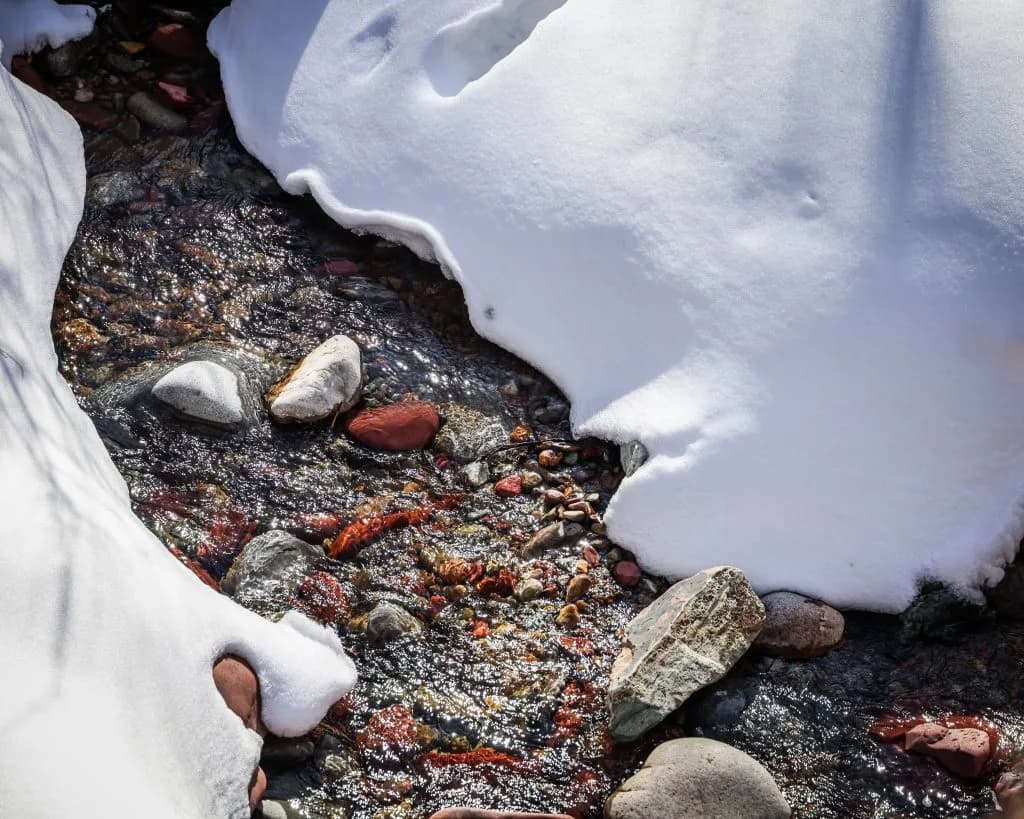
Aspen —Aspen’s water supply is running on fumes. The city is in stage two drought, the warmest winter in 131 years has left snowpack levels below normal, and the reservoir holding the town’s drinking water has only eight to 12 hours of storage left during peak demand.
That is not a buffer. That is a tightrope.
Erin Loughlin Molliconi, the city’s Director of Utilities, made it clear: conservation is critical. Not optional. Critical. The city relies entirely on runoff from Castle and Maroon creeks to feed the Leonard Thomas Reservoir. This reservoir holds roughly 3 million gallons. During the height of summer usage, that water turns over two to three times a day.
"We are certainly entering a time which is unprecedented in the lack of snowpack and projected temperatures and precipitation, even to our most tenured staff," Loughlin Molliconi said.
The short version? The system is fragile.
Colorado’s snowpack, which usually peaks in April, has been nosediving. The warm winter accelerated the melt. The runoff is arriving, but it’s thinner than usual. The city’s treatment system depends on steady stream flows. If the snowpack shrinks further, the "run-of-the-river" supply dries up.
And there is no backup. Aspen does not have separate sources. Redundancy comes only from separate intakes in Castle Valley and Maroon Creek. If both dry up, the tap runs dry.
The city faces a brutal trade-off. They can keep the water flowing to homes and businesses, or they can let the ecosystems survive. But they can’t always do both.
Loughlin Molliconi noted that operators are ready to treat the raw water. But they are concerned about making operational decisions that impact other priorities. Those decisions could mean turning off the Maroon Creek hydroelectric facility. Or pulling more water through the headgates.
If they pull more water, Castle and Maroon creeks could fall below minimum in-stream flow targets. That compromises aquatic life. It hurts the fish. It hurts the creek beds. But it keeps the municipal demand met.
"We hope this won’t be the case, but we are particularly concerned about facing that situation if some customers are not doing their part to conserve, particularly regarding outdoor irrigation," Loughlin Molliconi said.
Translation: If you’re watering your lawn, you’re eating the fish’s lunch.
The reservoir receives raw water piped from the headgates before treatment. Staff monitor system demands and water quality, like turbidity, to optimize levels. But the math is simple. The storage is tiny. The demand is high. The source is shrinking.
"The city’s water treatment system relies upon the stream flows in Castle and Maroon creeks; so any significant reduction in the snowpack and associated runoff would have an effect on the availability of the run-of-the-river supplies," Loughlin Molliconi said.
Ultimately, the snowpack is the storage. It’s not in a tank. It’s on the mountain. And it’s melting faster than usual.
Locals need to watch their outdoor irrigation. That is the lever the city can pull to keep the lights on and the water running. If residents don’t cut back, the city will have to choose between power generation, ecological health, and keeping the taps open for everyone else.
The choice is immediate. The margin for error is gone.
Keep up with Aspen
The day's Western Slope news, one email each morning. Free.