State Rep. Elizabeth Velasco Pushes House Bill 1224 for Mobile Home Park Transparency
State Rep. Elizabeth Velasco introduces House Bill 1224 to require mobile home park landlords to disclose sale details, ensuring tenants have the data needed to exercise their right of first refusal.
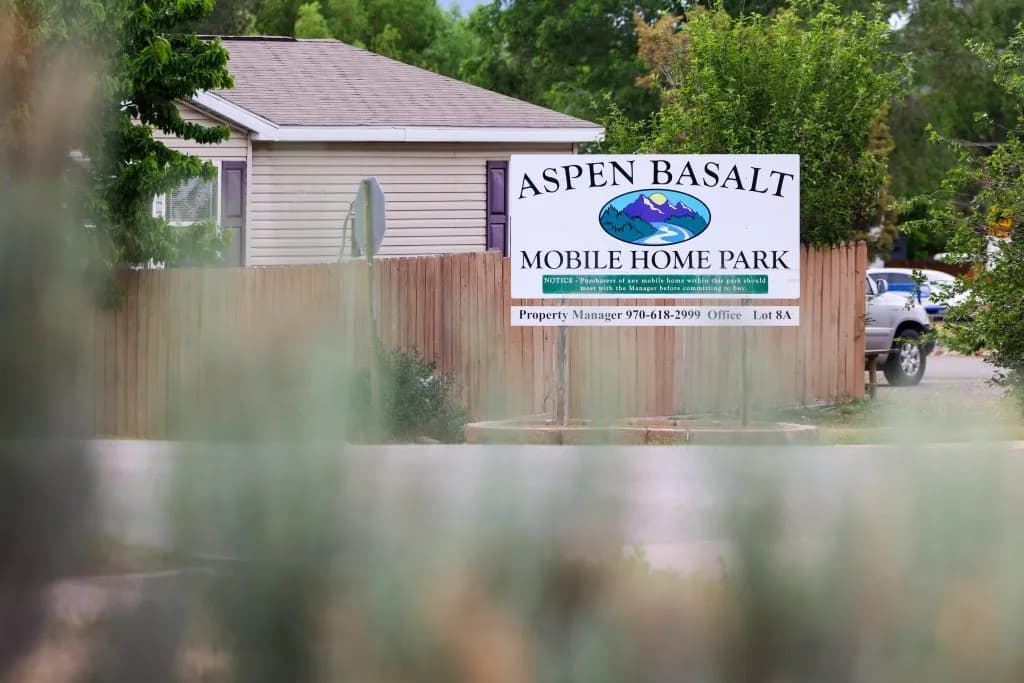
Aspen —The gravel crunches under tires on the way out of town, but the real friction is happening inside the park. In Glenwood Springs and Oak Creek, neighbors are staring at their lease notices, wondering if the price tag they see is the final number or just the opening bid. They know their right of first refusal is on the table, but without clear numbers, it’s hard to know if they can actually afford to keep their homes.
That uncertainty is what State Rep. Elizabeth Velasco, D-Glenwood Springs, is trying to fix with House Bill 1224.
The bill doesn’t just ask landlords to say they’re selling. It forces them to show their work. If a tenant asks, the landlord must provide the purchase price, the age of the infrastructure, inspection reports, rent data, and operating expenses. If the park is being sold as part of a larger package of real estate, any discounts or changes in price must be disclosed.
“In rural resort communities, many of our working families live in mobile home parks, because they are the only affordable housing that is not subsidized,” Velasco said Thursday during a House Finance Committee hearing. “Mobile home parks are not a temporary housing option. They are a home, community and one of the last remaining forms of naturally occurring affordable housing.”
The context here matters. Since 2019, lawmakers have been building a framework to protect these residents. They created a dispute resolution process for rights violations. They gave homeowners the right of first refusal when owners choose to sell. They even required the state health department to test drinking water at all Colorado mobile home parks.
HB 1224 builds on that foundation. It’s about transparency in the sale itself.
Velasco, who grew up in a mobile home park in Eagle County, argues the goal is fairness. “If residents are willing to do the hard work to try to save their community, the law should not leave them one step behind before the process even begins.”
The other sponsors of the bill are Rep. Andrew Boesenecker, D-Fort Collins, and Sens. Dylan Roberts, D-Frisco, and Lisa Cutter, D-Littleton.
Locals in Glenwood Springs, Aspen, and Oak Creek have already started rallying to purchase their parks. Some sales have gone through. Others are still in process. The question is whether this legislation will make those processes smoother or just add more paperwork.
Velasco argues it prevents the landlord from hiding the ball. If the park is part of a portfolio sale, the tenant needs to know if they’re getting a discount or if the price is inflated because it’s bundled with other properties. Without that disclosure, the resident is flying blind.
The bill requires landlords to provide this information if requested by a tenant when issuing the notice of intent to sell. It’s a targeted fix for a specific problem: the information asymmetry between the landowner and the resident.
The outcome remains to be seen. But for now, the goal is to ensure that when a park goes up for sale, the people living in it have the same data the buyer does.
“At the end of the day, this bill is about dignity and fairness,” Velasco said. “If residents are willing to do the hard work to try to save their community, the law should not leave them one step behind before the process even begins.”
Keep up with Aspen
The day's Western Slope news, one email each morning. Free.