Glenwood Springs Approves 210 Eighth Street Mixed-Use Project
Glenwood Springs City Council approves the 210 Eighth Street mixed-use development with a 6-1 vote, modernizes charter procurement rules for a 2027 ballot, and extends employee housing assistance.
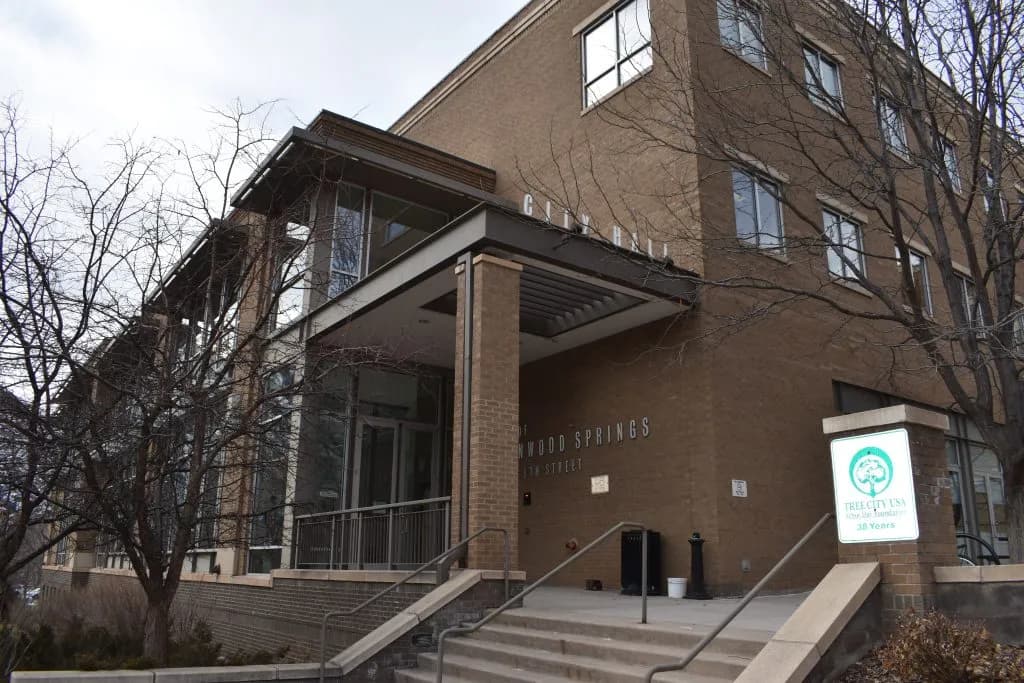
Glenwood Springs —The gravel crunches under tires on Eighth Street, a sound that usually signals the end of a commute and the beginning of evening stillness in Glenwood Springs. But on Thursday, that familiar rhythm was punctuated by the heavier, more deliberate cadence of municipal decision-making. The City Council didn’t just nod along; they carved out a path for the future of downtown, approving the 210 Eighth Street mixed-use project, pushing charter updates toward a 2027 ballot, and extending the lifeline of employee housing assistance.
It’s a trifecta of decisions that feels less like bureaucratic box-checking and more like a city trying to hold its breath while it grows.
The approval of the 210 Eighth Street site came with a 6-1 vote, a margin that suggests the developers have won over the room, even if one councilor held firm against the density. This isn’t just another building going up; it’s a mixed-use project that promises to alter the streetscape, bringing residential units and commercial space into a block that has long been defined by its potential rather than its presence. You can feel the shift in the air, the way the city is trying to stitch together its downtown core with tangible structures rather than just zoning maps.
But the real weight of the evening fell on the charter commission’s recommendations. Former City Attorney Charlie Wilman stood before the council and laid out the work: a section-by-section review aimed at modernizing the city’s governing document. The focus wasn’t on sweeping political overhauls, like directly electing the mayor or shifting elections to November, though those were on the table. The commission found its consensus in procurement.
“We took each section of the charter … and we looked at each section individually,” Wilman said. “We talked about the wording, and we came up with a consensus … to modernize it and to make it internally consistent.”
It’s a dry topic for some, but for locals who watch how the city spends its tax dollars, procurement is where the rubber meets the road. Councilor Steve Smith wanted to go further, arguing that the rules for filling vacant council seats were too slow. “Going a year seems like an opportunity to honor people’s chance to pick their representatives,” Smith said. “I think it’s worth the extra trouble.”
He wanted voters to fill seats sooner. The council disagreed. The motion to add vacancy changes to the package failed 5-2, with Ray Schmahl and Smith voting yes, while David Townsley, Erin Zalinski, Mayor Marco Dehm, Mitchell Weimer, and Sumner Schachter voted no. Schachter warned against muddying the waters, preferring a narrower package that had broad support. Zalinski argued that the current system, where an elected body appoints a replacement, still provided elected representation.
So, the city moves forward with a narrower scope. Staff will prepare wording for a procurement update and consolidate technical cleanup items for a future election, likely in April 2027. City Attorney Karl Hanlon promised clarity. “We’re just trying to make it as clear as possible what you’re voting on and why it makes sense when you read it,” Hanlon said. It’s a promise of transparency in a document that often feels like legalese to the average neighbor.
And then there’s the housing. The council voted to extend the employee housing assistance program, a move that keeps a small but vital safety net in place for teachers, police, and service workers who help keep this town running. It’s a reminder that while we debate charters and zoning, the people who serve us are still looking for a place to sleep.
The meeting ended with the council turning its attention back to the physical world. Outside, the sun was dipping below the limestone cliffs, casting long shadows across the pavement. The air smelled of pine and exhaust, the scent of a town that is both a tourist destination and a home. The decisions made inside that chamber will echo in the construction cranes downtown and in the quiet apartments where employees will soon rest, far from the debate, but closer to the ground they help maintain.
Keep up with Glenwood Springs
The day's Western Slope news, one email each morning. Free.



Twin Lakes Releases 2,500 Acre-Feet to Save Upper Arkansas River

Glenwood Springs Resident Calls for Active Citizenship Amid AI Data Center Water Threats