Aspen Resident Alex Kelloff Tracks Wealth-Driven Cultural Erosion
Aspen native Alex Kelloff reflects on how the influx of wealth and the pandemic displaced the artists and tradespeople who gave the town its soul, leaving behind a homogenous landscape of billionaires.

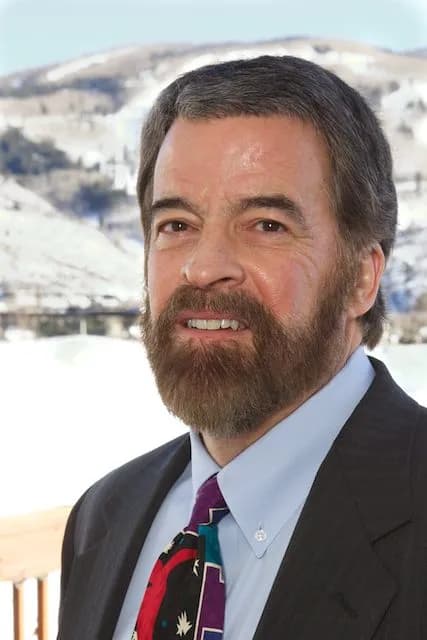
Aspen —The air in the Red Onion used to smell of old wood, expensive perfume, and the sharp, metallic tang of ambition mixing with the dust of the San Juan mines. It was a place where John Denver might sit at the bar next to a carpenter who’d just finished framing a house on Durant Avenue, and where Hunter S. Thompson could argue with a wealthy visitor without either of them checking their net worth first. That’s the Aspen Alex Kelloff remembers, a version of the town that isn’t just nostalgia for him — it’s the only version he knows how to live in.
Kelloff’s family roots in this district stretch back to roughly 1893, when his ancestors arrived in southern Colorado for coal mining jobs before his grandfather pivoted to food markets during the Great Depression. His mother’s side moved to Carbondale in the early 1960s, where his grandfather worked as a carpenter, watching the mountain communities transform before the luxury storefronts took over. For Kelloff, who learned to ski in the 1970s and married in Aspen 58 years ago, the return to the Roaring Fork Valley wasn’t about chasing a lifestyle; it was about inhabiting one. He wanted to wake up to skiing, biking, and hunting, not just visit them on weekends.
But that collision of classes — the middle layer that gave the valley its texture, is disappearing. Kelloff points to the pandemic and the government’s response as the accelerant that burned through the remaining fuel. Money flooded the economy, protecting asset owners while people with capital suddenly had the flexibility to leave cities like New York and Los Angeles for places like Aspen and Telluride. The result wasn’t just higher housing prices; it was a fundamental shift in who could afford to stay. Restaurants, local businesses, artists, and workers were squeezed out because the economics simply stopped making sense for anyone without a trust fund or a second mortgage.
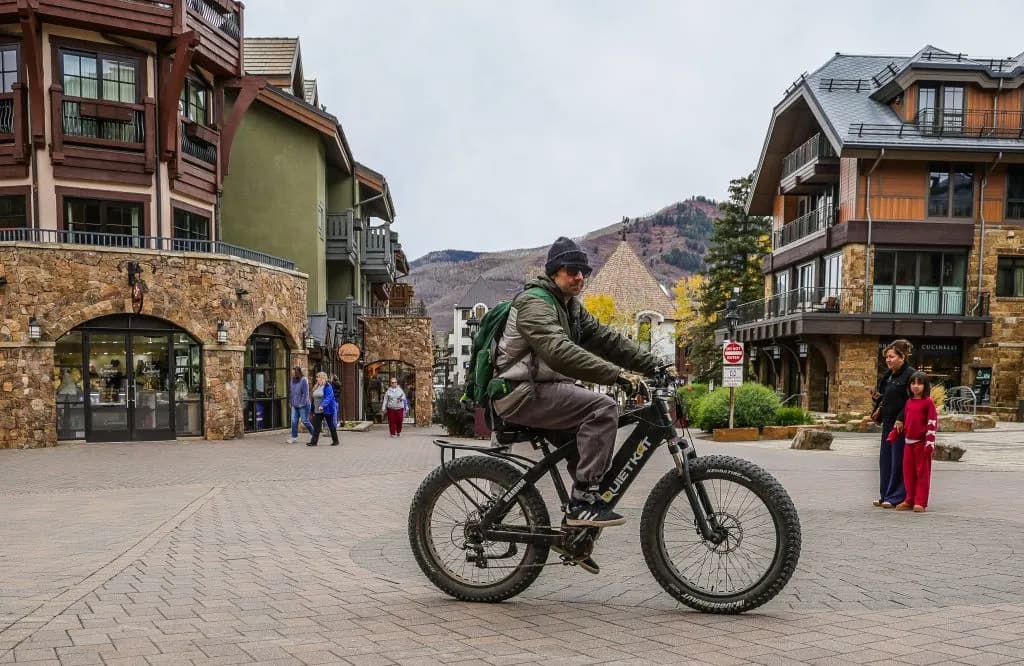
You can feel the absence in the way the town goes dark earlier now. There are fewer weird characters, fewer artists scraping by because they love the place enough to sacrifice for it. The vibrancy that once came from the mixing of tradespeople and wealthy visitors has been replaced by a homogeneity that even the billionaires are starting to notice. As Kelloff puts it, “This isn’t very fun anymore. It’s just a bunch of billionaires hanging out.”
The irony is sharp. The very wealth that drove up the cost of living has eroded the cultural infrastructure that made the wealth attractive in the first place. When the carpenter, the bartender, and the artist are all priced out, the town loses its soul, leaving behind only the shell of luxury. It’s a quiet tragedy playing out on Main Street, where the lights are still on, but the people who used to keep them burning are gone.
Outside the window, the snow begins to fall on Castle Creek Road, blanketing the empty storefronts in white, hiding the cracks in the pavement, waiting for the next wave of buyers to drive by and wonder why the town feels so quiet.
Keep up with Aspen
The day's Western Slope news, one email each morning. Free.