Aspen Skiing CEO Warns of Declining Visitation and Housing Crunch
Aspen Skiing Company CEO Geoff Buchheister and Aspen One CEO Dave Tanner highlight a 21.5% drop in local visitation, rising costs, and a 5,000-unit housing shortage threatening the Snowmass community.
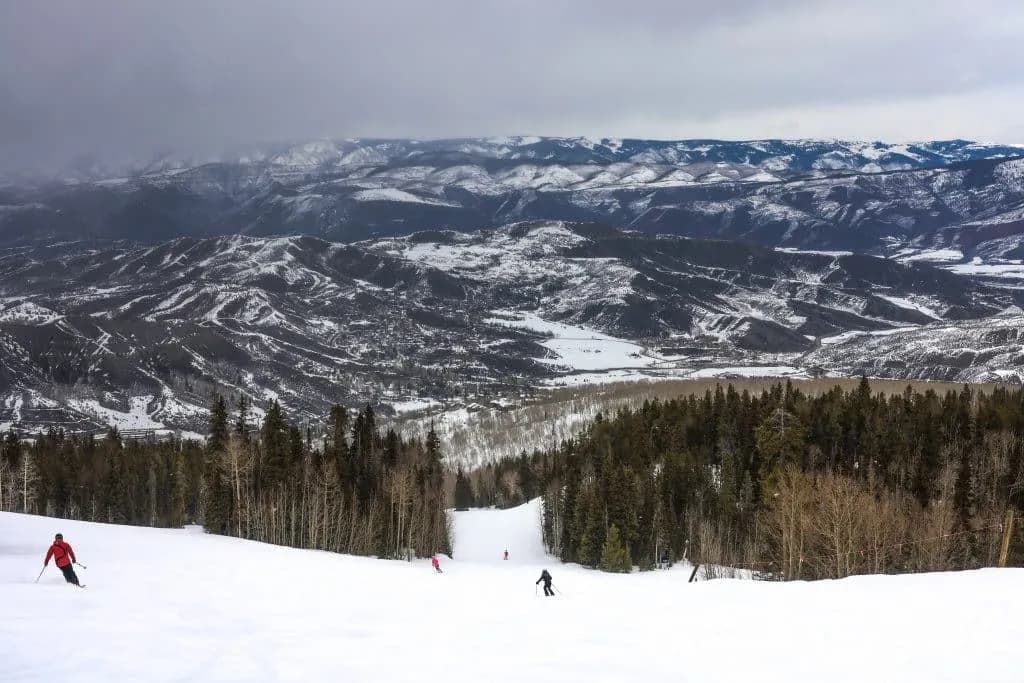
Aspen —Dave Tanner didn’t just walk into the Snowmass Town Council chamber last week; he walked in with a ledger full of red ink and a question that keeps locals up at night.
“We think the valley deserves a transparent look of where our business is,” Tanner, Aspen One’s CEO, told the council. “We were planning this year to be down even before the snow because we saw these trends.”
The trends are stark. Visitation in the Aspen area dropped 21.5 percent last winter. But that’s just the local tip of the iceberg. Geoff Buchheister, CEO of Aspen Skiing Company, laid out the broader picture: national ski visitation has fallen from 65 million to 52 million since 2023. In Colorado, it’s a steeper drop — from 14 million to just over 10 million.
“We’re seeing a declining, and it’s been declining for the past three years,” Buchheister said. “It’s becoming harder to compete. I think that’s something we need to face head on here … we think Snowmass has real advantages, but it doesn’t mean we’re immune to the challenge.”
The core issue isn’t just fewer people showing up. It’s that the people who are showing up are getting squeezed out. The skier base is aging. Baby boomers are retiring from the slopes, and according to Buchheister, it now takes two millennials to replace a single boomer skier. That’s a demographic shift that doesn’t happen overnight, but it’s happening now.
And then there’s the money.
Buchheister pointed to an “affordability spiral” that’s pricing locals and visitors alike out of the experience. Average hotel room rates have risen five times faster than inflation. Average home sales have jumped 18 times inflation.
“The squeeze is real,” Buchheister said.
Tanner pushed back slightly on who’s to blame for the ticket prices. Aspen One controls only 20 percent of the cost a visitor pays — lift tickets, rentals, and so on. The rest is the market. But the result is the same: consumer exhaustion.
“We’re seeing all the signs of consumer exhaustion,” Tanner said.
It’s not just about who’s skiing. It’s about who’s building the mountain. Capital expenses have skyrocketed. The Elk Camp Lift, essential for the Snowmass experience, cost double what the Big Burn Express cost to build. Since 2022, Aspen One has invested $82 million in Snowmass alone. That’s a lot of capital chasing a shrinking pool of skiers.
But the biggest headache for the community isn’t the lift tickets. It’s the workforce housing crunch.
Aspen One faces a wave of retirements among its long-time employees. The company estimates the community is about 5,000 housing units short. That’s not a theoretical number. That’s 5,000 families or workers who can’t afford to live where they work.
“We believe that as a community, we’re about 5,000 units short,” Buchheister said. “This is a big issue for us … (and) it’s the area we get the most pushback.”
Aspen One currently provides 1,300 beds for employees, including 80 family-style units. It’s a start, but it’s a drop in the bucket for a town where housing is the primary political flashpoint.
The meeting was about more than just numbers. It was about identity. Snowmass was built differently than Aspen proper, and the leadership is asking if that distinct character can survive the economic headwinds.
“We think the valley deserves a transparent look of where our business is,” Tanner said again, emphasizing that this isn’t a secret internal memo. It’s a public reckoning.
The question now is whether the town and the company can align on solutions before the next ski season. The pressures are mounting, the numbers are down, and the housing gap is widening.
“The squeeze is real,” Buchheister said. And until the housing and affordability issues are addressed, the ski industry might just squeeze itself out of existence.
Keep up with Aspen
The day's Western Slope news, one email each morning. Free.


The digital counter on the side of the bus in Carbondale ticks over, but the seats inside are half-empty

Eagle County Launches Aging Well Roadmap To Keep Seniors Housed