Iran and U.S. Finalize Strait of Hormuz Reopening Deal
Iran and the United States are days away from a deal to reopen the Strait of Hormuz, contingent on Washington lifting its blockade on Iranian ports and accepting service fees.
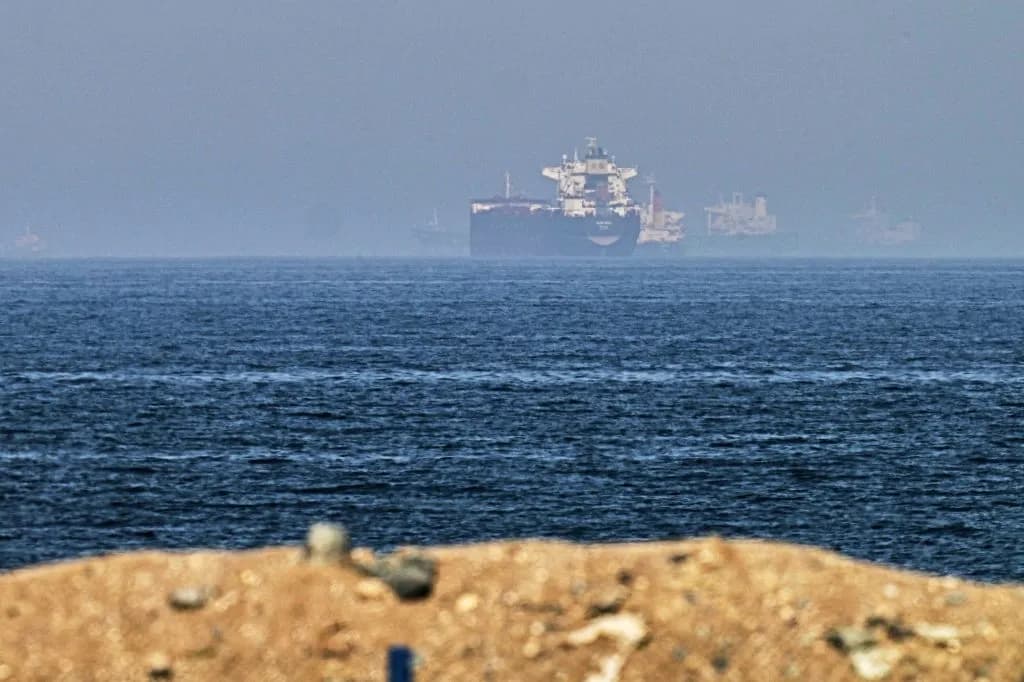
Aspen —Iran and the United States are days away from a deal to reopen the Strait of Hormuz. But the agreement hinges on one critical condition: Washington must lift its blockade on Iranian ports.
The Vail Daily reported Wednesday that Iran is in the "final stage" of drafting an accord with Oman. U.S. President Donald Trump confirmed a deal could be announced this week. If finalized, the move would ease pressure on the global economy and potentially end a war that has ground shipping traffic to a near-halt.
The stakes are high. The strait carries a fifth of the world’s traded oil and natural gas. Its closure has driven up fuel prices and roiled markets. Trump faces mounting pressure to end the unpopular war ahead of congressional elections.
But make no mistake: this is not a simple reopening. Iran insists on maintaining control. It does not want the strait to return to being an open international waterway as it was before the war.
The U.S. has previously ruled out any deal that cements Iran’s grip over the strait. Such an outcome would represent a major loss for American interests and a break with global norms.
Iran’s Foreign Ministry spokesman, Esmail Baghaei, stated the agreement with Oman is nearly complete. He said a joint statement will issue "if certain parties do not obstruct this process." That phrase points directly at Washington.
Regional officials told The Associated Press that negotiators have finalized the draft deal. They await final approval from Iran’s supreme leader, Ayatollah Mojtaba Khamenei. Khamenei has not been seen in public since the war’s opening strikes, believed to have been wounded.
The potential deal is tied to a collapsed agreement reached between the U.S. and Iran in June. That earlier attempt aimed to end fighting and reopen the waterway but failed.
Under the new proposal, ships would enter the Persian Gulf through an Iranian-controlled route and exit through a route controlled by Oman. Service fees would apply for security and maritime preservation.
The U.S. strongly opposes any arrangement that allows Iran to charge those fees.
This dispute over fees is the current sticking point. If Washington refuses to pay, or if Iran refuses to lower them, the deal stalls.
The Trump administration’s position is clear. They will not accept a scenario where Iran monetizes the choke point without significant concessions. The previous collapse in June proves that technical agreements are fragile when core interests clash.
The conflict, launched by the U.S. and Israel on Feb. 28, has evolved from a bid to topple Tehran’s government into a fight over the strait. Those original goals — toppling the government and ending the nuclear program — remain unachieved.
Now, the focus is purely on access.
If the deal holds, it reopens a critical artery for global trade. If it fails, the blockade remains, and prices stay high. Locals watching their gas pumps know which way the wind blows.
The short version: A deal is close. But either Iran or the U.S. must back down first.
Keep up with Aspen
The day's Western Slope news, one email each morning. Free.


The digital counter on the side of the bus in Carbondale ticks over, but the seats inside are half-empty

Eagle County Launches Aging Well Roadmap To Keep Seniors Housed