VEB.RF Bank Fires Chief Economist Who Predicts Social Crisis
VEB.RF dismissed chief economist Andrei Klepach after he warned of a social crisis due to rising war costs. His firing highlights growing tension between Kremlin optimism and economic hardship in Russia.
Aspen —Andrei Klepach knew he was walking into trouble when he opened his mouth. As the chief economist of the state-owned VEB.RF bank, he sat in a room full of powerful men and women, listening to the official narrative about Russia’s war with Ukraine. Then, he broke rank.
“We won’t win the competition in this war of attrition,” Klepach said at a recent seminar. He paused, letting the weight of the words settle. “Our costs are mounting. I’m almost sure that we will come to face a social crisis.”
The reaction was swift and decisive. According to the Vail Daily, Klepach was dismissed the very next day. For many observers, his firing was a clearer signal than any press release. It told the Russian public that the government preferred silence to honesty, even when the truth was uncomfortable.
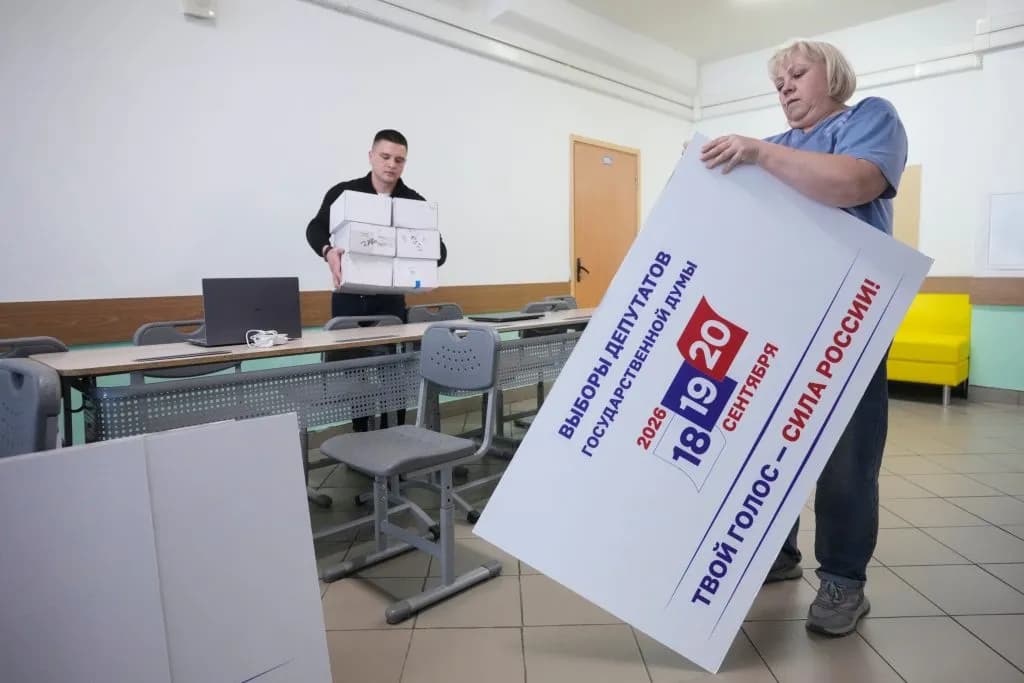
This incident highlights a broader tension in Russia today. On one hand, the Kremlin is holding parliamentary elections designed to look like a victory for President Vladimir Putin. The ruling United Russia party is expected to keep its large majority in the State Duma, the lower house of parliament. Putin himself framed the vote as a show of national unity.
“Your choice and resolve will once again demonstrate that millions of people stand behind our fighters, that we are a united people, bound by shared values, historical memory, and love for the Motherland,” Putin said in an address before the vote began.
But on the other hand, the daily realities of life are getting harder. The Vail Daily reported that the war has brought economic damage directly to Russian households. Ukrainian drones have struck oil refineries, causing fuel shortages. Attacks on warehouses for major online retailers like Wildberries and Ozon have disrupted supply chains and hurt small business owners who sell through those platforms.
Polling data adds another layer to the picture. The independent Levada Center, which is often cited for its surveys, showed Putin’s approval rating at 76% in August. That is still a high number, but it is down from 87% in September 2025. A ten-point drop over eleven months suggests that the initial wave of patriotic support is being tested by the grind of inflation, taxes, and uncertainty.
The question is whether the Kremlin can sustain the gap between the projected electoral victory and the lived experience of voters. To hear the government tell it, the election is a mandate for continuity. But for those paying the bills, the math may not hold up as neatly.
Klepach’s fate serves as a cautionary tale about the cost of speaking out. Yet, his words linger because they articulated a fear that many others might share but hesitate to voice. As the dust settles on the election, the focus shifts to the next chapter. Will the promised unity hold, or will the cracks widen?
The Kremlin believes the answer lies in the strength of the state. But history has shown that states are only as strong as their people’s belief in them. And right now, that belief is being put to the test.
As one analyst noted, the election is less about choosing leaders and more about managing expectations. The goal is to keep the public engaged enough to stay hopeful, but not so engaged that they start demanding change. It’s a delicate balance, and one misstep could tip the scales.
For now, the official story stands. United Russia wins. Putin leads. The people unite. But beneath the surface, the current is shifting. And everyone from the capital to the countryside feels it.
The next move belongs to the people. How they respond to the results, to the economic pressures, to the political signals will shape the future. Whether they rally behind the leadership or push for reform, their actions will define the path forward.
In the end, the power lies with the citizens. Their choices, their voices, their collective will determine the direction of the nation. The stage is set. The curtain rises. And the performance begins.
Keep up with Aspen
The day's Western Slope news, one email each morning. Free.