The digital counter on the side of the bus in Carbondale ticks over, but the seats inside are half-empty
The digital counter on the side of the bus in Carbondale ticks over, but the seats inside are half-empty. It’s a quiet Tuesday morning, the kind where the air is crisp and the streets feel wider than usual. For the…
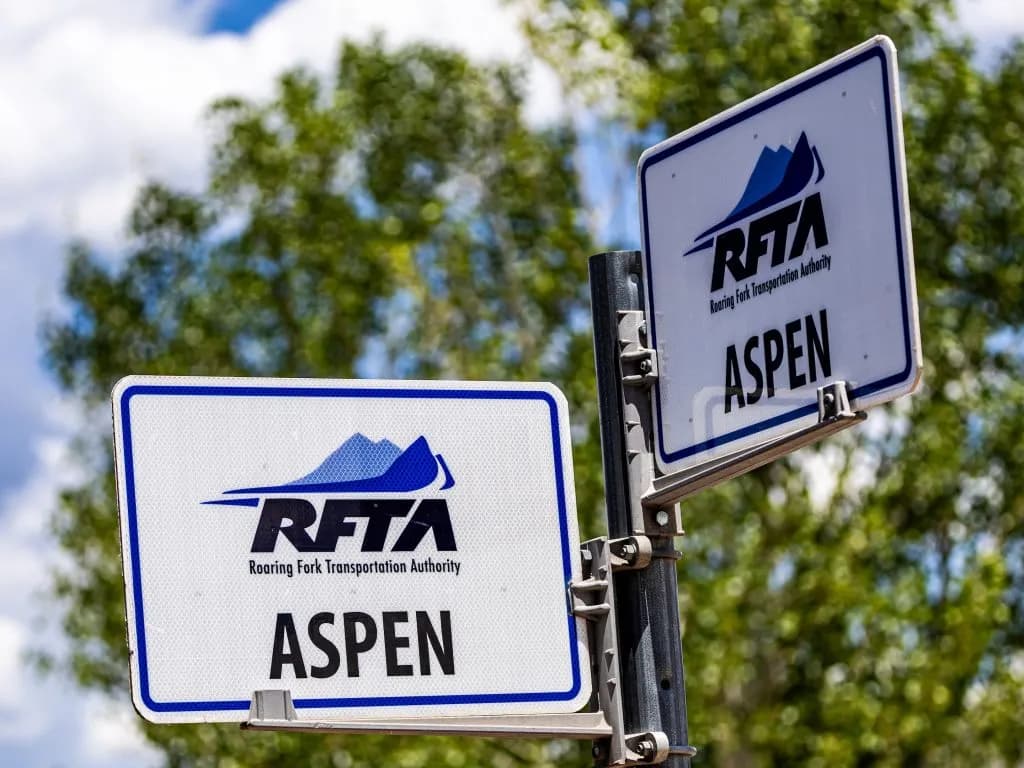
Aspen —The digital counter on the side of the bus in Carbondale ticks over, but the seats inside are half-empty. It’s a quiet Tuesday morning, the kind where the air is crisp and the streets feel wider than usual. For the folks who rely on the Roaring Fork Transportation Authority (RFTA) to get to work, school, or the grocery store, the ride feels less like a communal experience and more like a private carpool with a driver.
This emptiness is the part everyone skips past when they look at the new fall schedule. The RFTA shifted to its fall timetable on Monday, Sept. 21, a two-week delay from the usual post-Labor Day switch. RFTA Public Information Officer Jamie Tatsuno explained that this extension was intentional, designed to align the authority’s seasonal transition with the city of Aspen’s bus route start date. It sounds like a logistical victory, a seamless coordination between two transit systems. But and that matters because — the timing change didn’t bring more passengers. It just delayed the drop-off.
The numbers are stark. According to a report from the authority’s CEO, RFTA recorded 347,061 riders in August. That is a 22.1% decline from the 445,582 riders who boarded in August 2025. The agency’s own data flags potential inaccuracies due to issues with automatic passenger counters, with staff currently working with vendors to recover missing data. Still, even with those caveats, the downward trend is hard to ignore.
As the Roaring Fork Valley enters its off-season, the service adjustments reflect that reality. Local buses will continue operating seven days a week, but on a reduced and adjusted schedule. The Carbondale Circulator will run every 15 minutes from 5:02 a.m. to 9:16 p.m. daily. The Snowmass Valley route will add three new trips. However, the Woody Creek and Aspen Cross Town services have been paused and won’t return until the winter transition in late November.
Tatsuno noted that rider feedback played a role in shaping this schedule. The Flyer route, for instance, now departs 10 minutes earlier, an adjustment made in response to input from service stakeholders. Bike loading hours have also been shortened to account for lower light levels, running from 7 a.m. to 6 p.m. through the last Saturday in October, and then cutting off at 4:30 p.m. thereafter.
The new electric bus fleet has officially joined operations with this transition. The fall schedule runs through Nov. 22, before winter service begins on Nov. 23. For now, the buses are running, the drivers are on time, and the electric engines hum quietly under the chassis. But stand there long enough and you can see the empty seats through the glass, a silent reminder that the ride is still waiting for the people who used to fill it.
Keep up with Aspen
The day's Western Slope news, one email each morning. Free.


The wind cuts through the high alpine valleys, carrying the scent of pine and damp earth

Vail Author Argues Music Acts As Time Machine For Memory